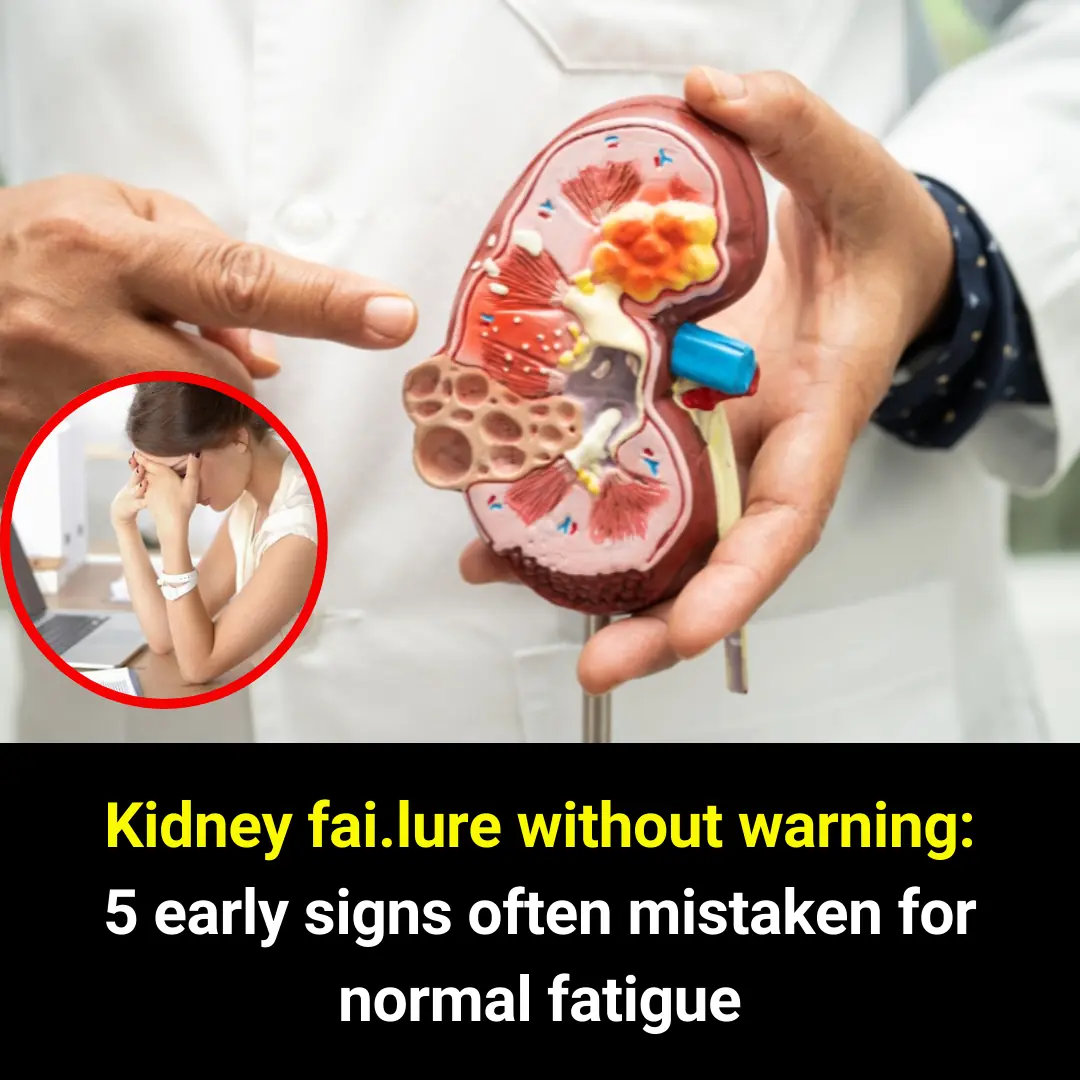
Kidney disease is often called a silent condition - not because it is rare, but because its early symptoms are subtle, easy to ignore, and
commonly blamed on stress or everyday tiredness. By the time clear warning signs appear, kidney function may already be seriously
compromised.
Understanding the early signals of kidney trouble can make a critical difference. Below are five early warning signs of kidney failure that
many people overlook, along with why they matter.
Why Kidney Problems Are So Easy to Miss
Your kidneys work quietly in the background, filtering waste, balancing fluids, regulating blood pressure, and supporting red blood cell
production. When something goes wrong, the body often compensates—at least for a while.
That’s why early kidney dysfunction rarely causes sharp pain or dramatic symptoms. Instead, it shows up as small changes that feel annoyingly
normal.
1. Persistent Fatigue That Doesn’t Improve with Rest
Feeling tired after a long day is normal. Feeling constantly drained, even after sleeping well, is not.
When kidney function declines:
-
Waste products build up in the blood
-
Red blood cell production drops
-
Oxygen delivery to tissues decreases
This leads to deep, lingering fatigue that rest doesn’t fix. Many people assume it’s stress, burnout, or lack of sleep—especially if life is busy.
If exhaustion becomes your baseline, it’s worth paying attention.
2. Brain Fog and Difficulty Concentrating
Kidneys help clear toxins from the bloodstream. When they don’t work efficiently, those toxins can affect the brain.
Early signs include:
-
Trouble focusing
-
Slower thinking
-
Forgetfulness
-
Feeling mentally “cloudy”
This kind of brain fog is often blamed on anxiety, screen time, or overwork. But when paired with fatigue, it can point to something deeper.
3. Changes in Urination (Subtle but Important)
Not all kidney-related urination changes are dramatic. Early signs are often mild, such as:
-
Urinating more frequently at night
-
Foamy or bubbly urine
-
Urine that looks darker or unusually pale
-
Feeling like you need to urinate but producing very little
Because these changes happen gradually, many people adapt without realizing something is wrong.
Your urine is one of the clearest windows into kidney health—small changes matter.
4. Swelling in the Face, Hands, or Ankles
Healthy kidneys remove excess sodium and fluid. When they struggle, fluid starts to accumulate.
Early swelling may appear as:
-
Puffy eyes in the morning
-
Tight rings or shoes
-
Mild ankle or foot swelling by evening
This is often brushed off as dehydration, salt intake, or standing too long. But recurring swelling can be an early sign that the kidneys are not
keeping up.

5. Loss of Appetite and Mild Nausea
As waste builds up in the bloodstream, digestion can suffer.
Early symptoms may include:
-
Reduced appetite
-
Feeling full quickly
-
Mild nausea, especially in the morning
-
Sensitivity to smells
Because these symptoms are vague, people often assume it’s a stomach issue or stress-related. In reality, it can be the body reacting to toxin
buildup.
Why These Signs Are Dangerous When Ignored
Early kidney disease is highly treatable if caught in time. Lifestyle changes, medication, and managing underlying conditions can slow or even
stop progression.
The problem is timing.
Most people don’t seek testing until symptoms are severe - when kidney damage is already advanced and irreversible.
Who Should Be Especially Alert?
You should take these signs seriously if you:
-
Have diabetes or high blood pressure
-
Use painkillers frequently
-
Have a family history of kidney disease
-
Are over 40
-
Experience multiple symptoms at once
A simple blood and urine test can reveal kidney issues long before they become life-altering.
What to Do If These Symptoms Sound Familiar
-
Don’t self-diagnose - but don’t dismiss them either
-
See a healthcare professional and request kidney function tests
-
Monitor blood pressure and hydration
-
Avoid unnecessary medications that stress the kidneys
Listening early can prevent years of damage later.
Final Thought
Kidney failure rarely announces itself loudly. It whispers - through tiredness, foggy thinking, subtle swelling, and small changes you’re
tempted to ignore.
If something feels off and stays that way, your body may already be asking for help.
Catching kidney disease early doesn’t just protect your kidneys - it protects your future.