
Cervical cancer is the fourth most common cancer affecting women globally, according to the World Health Organization (WHO). Each year, it impacts hundreds of thousands of women, and tragically, many lose their lives to this largely preventable disease. Although cervical cancer can affect any woman, it is significantly more prevalent in low- and middle-income countries, where access to preventive measures like regular screening and HPV vaccination is limited or unavailable.
In 2022 alone, an estimated 662,000 new cases of cervical cancer were diagnosed worldwide, and approximately 349,000 women died from the disease — a staggering number that underscores the urgent need for increased awareness and access to healthcare.
Cervical cancer typically begins when abnormal cells start growing uncontrollably in the lining of the cervix — the lower part of the uterus that connects to the vagina. The vast majority of cervical cancer cases are linked to persistent infection with high-risk strains of the human papillomavirus (HPV), a very common virus that spreads primarily through sexual contact. While most HPV infections go away on their own, some types can linger and eventually cause precancerous changes in cervical cells.
If left untreated, these changes can slowly progress to cancer over a period of several years. Because the disease develops gradually and may not cause noticeable symptoms in its early stages, many women are unaware they have it until it has reached an advanced stage. As it progresses, cervical cancer can lead to pelvic pain, painful urination, irregular bleeding, and other complications — including effects on fertility, according to the American Cancer Society.
The good news is that cervical cancer is highly preventable and treatable when detected early. Routine screening, such as Pap smears and HPV tests, along with timely medical intervention, can make a life-saving difference.
Common Signs of Cervical Cancer Every Woman Should Watch For
According to the UK's National Health Service (NHS), the following are some of the most common early warning signs of cervical cancer. While these symptoms can be caused by other conditions as well, it's essential not to ignore them.
1. Abnormal Vaginal Bleeding
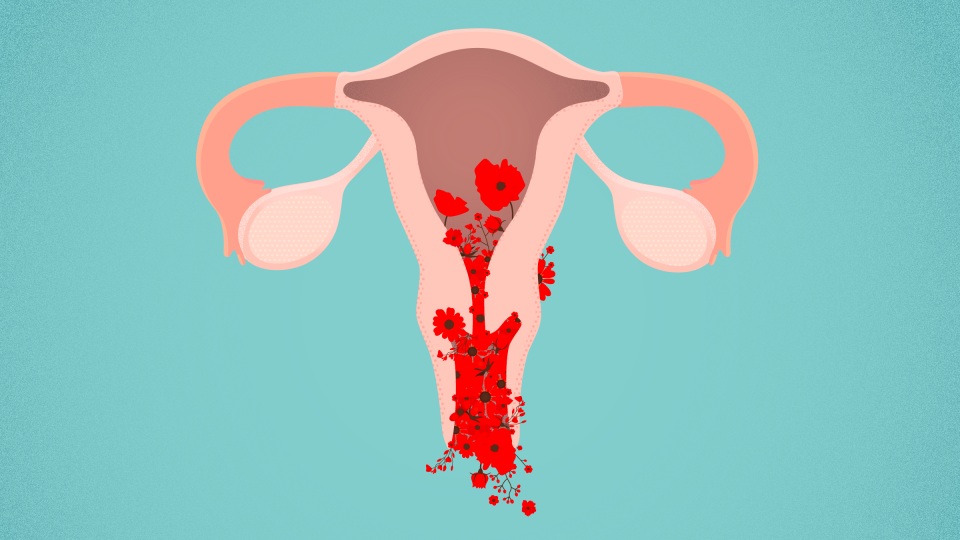
Unexpected bleeding is one of the most common warning signs. This can include bleeding between periods, after sexual intercourse, or even after menopause. Cervical cancer can cause the blood vessels in the cervix to become fragile and break more easily, leading to bleeding. While this may result from hormonal fluctuations or infections, persistent or worsening bleeding should never be overlooked. If you notice irregular bleeding patterns, consult your healthcare provider promptly.
2. Unusual Vaginal Discharge
While some vaginal discharge is normal, any significant change in color, smell, or texture could be a cause for concern. Women with cervical cancer often report discharge that is watery, pink, brown, or has a foul odor. Additionally, if the amount of discharge becomes heavier or more persistent than usual, it’s worth discussing with a gynecologist. Monitoring your body’s changes closely can help in early detection.
3. Persistent Pelvic Pain or Discomfort
Pelvic pain that doesn't relate to menstruation, ovulation, or other known causes may signal an issue. Cervical cancer can put pressure on surrounding tissues and organs, resulting in ongoing discomfort. This pain may feel dull, sharp, or radiate into the lower back or hips. If you’re experiencing continuous pelvic pain — especially if it interferes with your daily activities — you should seek medical advice.
4. Pain During Intercourse

Some women experience discomfort or pain during sexual activity — medically known as dyspareunia — which could be an early symptom of cervical cancer. This pain may occur if the cancer affects the cervix or surrounding tissue. If this is a new symptom or has become more frequent, do not ignore it. Timely medical evaluation can help identify underlying causes, whether cancer-related or not.
5. Unexplained Weight Loss and Fatigue
Sudden, unintended weight loss combined with ongoing fatigue can be signs of many medical conditions, including various cancers. In the case of cervical cancer, these symptoms can appear when the disease becomes more advanced and affects the body's metabolism and energy levels. While weight fluctuations and tiredness can occur for numerous reasons, it’s always best to consult a physician if these symptoms persist without a clear explanation.
Reducing Your Risk of Cervical Cancer
Prevention remains the most powerful weapon against cervical cancer. Here are some of the most effective ways to protect yourself:
-
Get regular screenings: Pap smears and HPV tests can detect abnormal cervical cells before they become cancerous.
-
Get vaccinated: The HPV vaccine is highly effective in preventing infection from the most dangerous HPV strains. It is recommended for preteens (ages 11–12) but can also benefit older teens and adults up to age 45.
-
Practice safe sex: Using condoms and limiting the number of sexual partners can reduce the risk of HPV transmission.
-
Avoid smoking: Tobacco use weakens the immune system, making it harder to fight off HPV infections.
-
Maintain a healthy lifestyle: Eating a balanced diet, exercising regularly, and managing stress can support your overall immune health.
Other risk factors include having a weakened immune system, a family history of cervical cancer, long-term use of birth control pills, and giving birth to multiple full-term babies. Understanding your personal risk can help guide your preventive care.
Final Thoughts
Cervical cancer is a serious health threat, but it is also one of the most preventable forms of cancer in women. Increased awareness, access to medical care, and education about early warning signs can lead to earlier detection and better outcomes.
Disclaimer: This article is intended for informational purposes only and should not replace professional medical advice. If you notice any concerning symptoms or changes in your body, consult a qualified healthcare provider immediately.