
The skin is often described as a mirror of internal health. While many skin changes are harmless or related to aging, allergies, or environmental factors, some persistent or unusual skin symptoms may be early warning signs of deeper health issues - including problems with the kidneys.
The kidneys play a vital role in filtering waste, balancing fluids, regulating minerals, and supporting overall metabolic stability. When they are not functioning properly, toxins and imbalances can build up in the body, and the skin is one of the first places where these internal disruptions may appear.
Below are five skin signs that, when persistent or unexplained, could be associated with kidney problems and should not be ignored.
1. Persistent Itching Without a Clear Cause
Chronic, unexplained itching - especially without a visible rash - can be a sign of impaired kidney function.
When the kidneys are unable to efficiently remove waste products from the blood, these toxins can accumulate and irritate nerve endings in the skin. Additionally, imbalances in minerals such as phosphorus and calcium, which are regulated by the kidneys, may contribute to widespread itching.
This type of itching:
-
Often affects large areas of the body
-
May worsen at night
-
Does not improve with moisturizers or antihistamines
While itching alone does not mean kidney disease, persistent itching with no obvious skin condition warrants medical evaluation.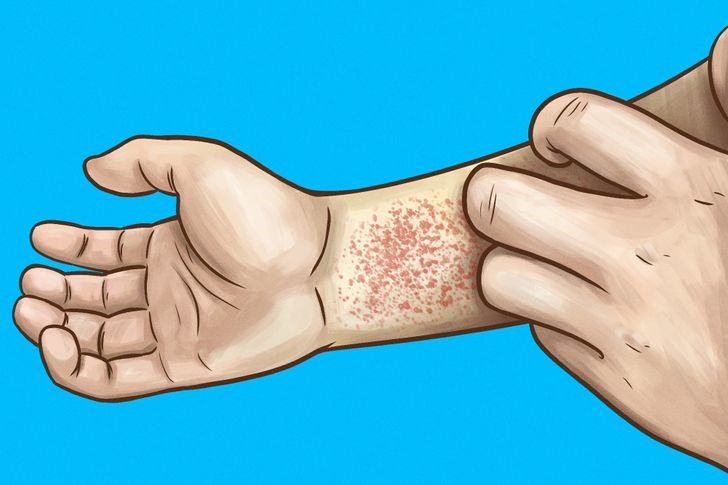
2. Dry, Flaky, or Ashy Skin
Dry skin is common, but severe or worsening dryness that does not respond to hydration or skincare may point to kidney-related issues.
Healthy kidneys help maintain the correct balance of fluids and nutrients in the body. When kidney function declines, this balance can be disrupted, leading to dehydration at the cellular level—even if fluid intake seems adequate.
In people with chronic kidney disease, the skin may appear:
-
Extremely dry or rough
-
Flaky or scaly
-
Dull or ashy in tone
This dryness is often linked to reduced sweat and oil gland activity, which can occur as kidney function worsens.
3. Changes in Skin Color (Pale, Yellowish, or Gray Tone)
Alterations in skin color can sometimes reflect underlying kidney problems.
Possible changes include:
-
Pale skin, which may be related to anemia caused by reduced production of erythropoietin, a hormone made by the kidneys
-
Yellowish or grayish skin tone, which can occur when waste products accumulate in the bloodstream
-
A dull, uneven complexion that looks noticeably different from normal skin tone
These changes often develop gradually and may be overlooked until they become more pronounced.
4. Swelling and Puffiness, Especially Around the Eyes and Legs
Swelling, also known as edema, is a common sign of kidney dysfunction and can be visible in the skin.
When the kidneys fail to remove excess sodium and fluid effectively, fluid can build up in tissues, leading to:
-
Puffiness around the eyes, especially in the morning
-
Swelling in the ankles, feet, or lower legs
-
Skin that appears stretched or shiny
This swelling may worsen after long periods of standing or sitting and is often accompanied by feelings of heaviness or tightness in the skin.
5. Easy Bruising or Unusual Skin Marks
Frequent bruising or the appearance of purplish or dark patches on the skin can sometimes be linked to kidney disease, particularly in more advanced stages.
Kidney dysfunction can affect:
-
Platelet function
-
Blood clotting mechanisms
-
The integrity of blood vessels
As a result, the skin may bruise more easily, even with minimal impact. In some cases, small red or purple spots may appear due to minor bleeding under the skin.
Why Kidney Problems Affect the Skin
The connection between the kidneys and the skin lies in the kidneys’ role as the body’s filtration system. When kidney function declines:
-
Waste products remain in circulation
-
Mineral and fluid balance is disrupted
-
Hormone production is affected
These changes can directly or indirectly impact skin health, leading to visible signs that may appear before more obvious kidney-related symptoms develop.
When to Seek Medical Advice
Skin signs alone cannot diagnose kidney disease. However, it is important to consult a healthcare professional if skin changes occur alongside symptoms such as:
-
Fatigue or weakness
-
Changes in urination
-
Persistent swelling
-
Shortness of breath
-
Loss of appetite or nausea
Early detection of kidney problems can significantly slow disease progression and improve quality of life.
How to Support Skin and Kidney Health
While medical treatment depends on the underlying condition, general steps that support both skin and kidney health include:
-
Staying well hydrated
-
Maintaining a balanced diet low in excess salt
-
Managing blood pressure and blood sugar
-
Avoiding unnecessary use of painkillers that strain the kidneys
-
Using gentle, fragrance-free skincare products
Regular health checkups are especially important for individuals with risk factors such as diabetes, high blood pressure, or a family history of kidney disease.
Final Thoughts
The skin can sometimes act as an early warning system for internal health problems. Persistent itching, dryness, discoloration, swelling, or unexplained bruising may be more than cosmetic concerns - they can be subtle signals that the kidneys are under stress.
Paying attention to these signs and seeking medical advice when something feels “off” is a proactive step toward protecting long-term health. The earlier kidney problems are identified, the more options there are to manage them effectively.