Leftovers are a normal part of daily life. To avoid wasting food, many people place unfinished meals in the refrigerator and plan to eat them the next day. While this habit may seem practical and harmless, doctors and food safety experts warn that keeping certain foods overnight can be extremely dangerous. In some cases, consuming improperly stored leftovers has led to severe food poisoning, hospitalization, and even death. Understanding which foods should never be kept overnight could prevent serious health consequences.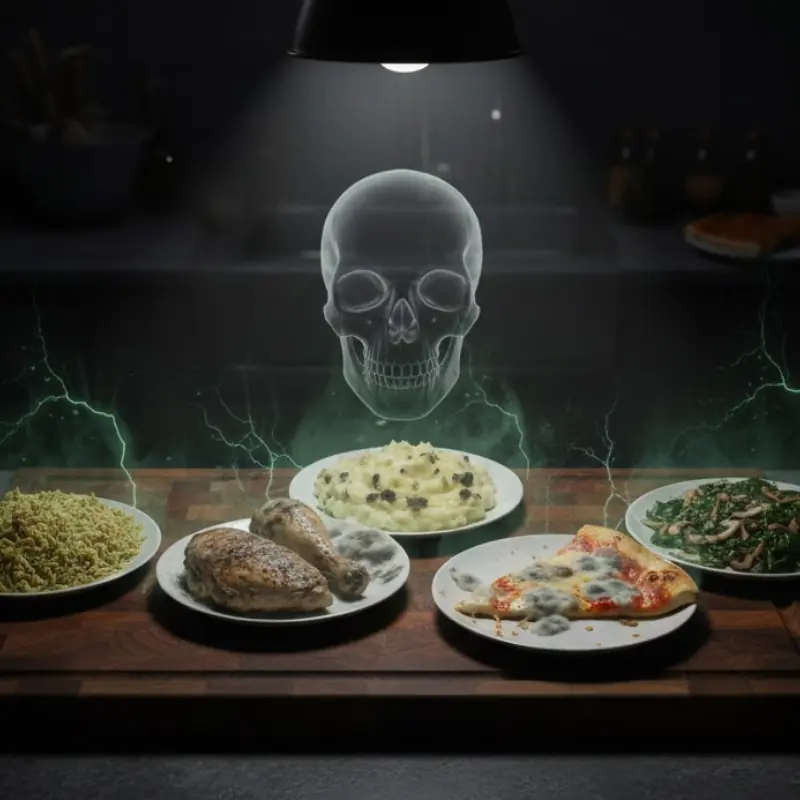
Why Overnight Leftovers Can Be Risky
Refrigeration slows bacterial growth, but it does not stop it completely. Some bacteria can survive cooking and continue multiplying even at low temperatures. Worse, certain bacteria produce toxins that reheating cannot destroy. This means food can look, smell, and taste normal while still being harmful.
Experts emphasize that the risk increases when food is left out too long before refrigeration, stored improperly, or reheated unevenly. Some foods are far more dangerous than others when kept overnight.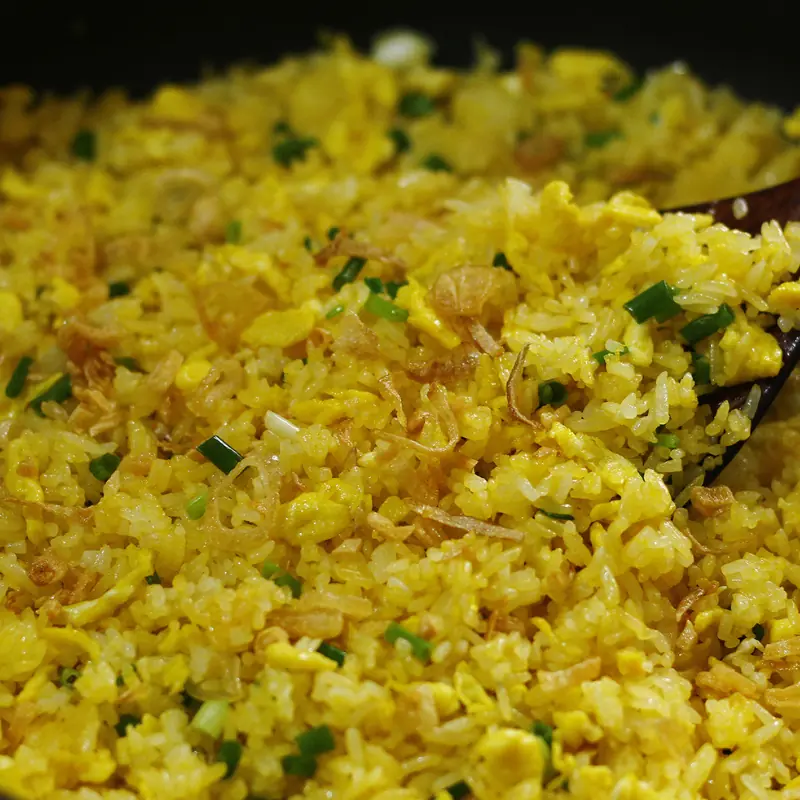
1. Cooked Rice
Cooked rice is one of the most dangerous foods to keep overnight if not handled properly. Rice can contain Bacillus cereus, a bacterium that survives high cooking temperatures. If cooked rice is left at room temperature for too long, the bacteria can multiply and produce toxins.
Refrigerating rice does not eliminate these toxins, and reheating will not make it safe. Doctors strongly advise discarding rice that was not cooled and stored immediately after cooking.
2. Seafood and Fish
Seafood spoils faster than most other foods. Fish and shellfish are highly sensitive to temperature changes and can develop harmful bacteria even when refrigerated overnight.
Reheating leftover seafood increases the risk of severe gastrointestinal illness, including vomiting and diarrhea. Food safety specialists recommend consuming seafood immediately after cooking and avoiding leftovers altogether.
3. Cooked Potatoes
Cooked potatoes can become dangerous if left out or stored incorrectly. When kept at room temperature—especially when wrapped in foil—they can promote the growth of Clostridium botulinum, the bacteria responsible for botulism.
Botulism is a rare but potentially fatal condition that affects the nervous system. Refrigeration does not always neutralize the toxins produced. Experts warn that leftover potatoes should be thrown away if there is any doubt about how they were stored.
4. Chicken and Other Poultry
Poultry is a common source of food poisoning. Chicken can harbor bacteria such as Salmonella and Campylobacter, which may survive if the food is not reheated thoroughly.
Repeated reheating further increases risk. Doctors recommend reheating poultry only once and discarding it if it has been stored overnight and reheated previously. If the chicken was not refrigerated within two hours of cooking, it should not be eaten again.
5. Egg-Based Dishes
Egg-based foods such as omelets, quiches, custards, and dishes containing mayonnaise are particularly risky when kept overnight. Eggs provide an ideal environment for bacteria to grow, especially when mixed with dairy or sauces.
Even when refrigerated, egg-based leftovers can become unsafe. Doctors advise consuming these foods immediately after preparation and avoiding overnight storage whenever possible.
Warning Signs of Food Poisoning
Symptoms of food poisoning may include nausea, vomiting, diarrhea, abdominal pain, fever, and dizziness. In severe cases, dehydration, organ failure, or life-threatening complications can occur, particularly in older adults and those with weakened immune systems.
Medical attention should be sought immediately if symptoms appear after eating leftovers.
Conclusion: When in Doubt, Throw It Out
Leftovers may seem convenient, but they can carry serious risks if handled incorrectly. Foods like rice, seafood, potatoes, poultry, and egg-based dishes are especially dangerous when kept overnight. Doctors emphasize that no meal is worth risking your health—or your life.
The safest rule to follow is simple: when in doubt, throw it out. Being cautious with leftovers may feel wasteful, but it is a small price to pay for protecting your health and preventing tragic outcomes.