
Your feet may seem like an unlikely place to spot signs of kidney trouble, but in reality, they can reveal important clues about your overall health. The kidneys play a vital role in filtering waste, regulating fluids, balancing electrolytes, and controlling blood pressure. When they are not functioning properly, subtle changes can appear throughout the body - including in the feet.
While these signs do not automatically mean you have kidney disease, they may indicate that your kidneys are under strain and deserve medical attention, especially if symptoms persist or worsen.
Why Kidney Problems Can Affect the Feet
Healthy kidneys regulate:
-
Fluid balance
-
Sodium and potassium levels
-
Blood circulation
-
Toxin removal
When kidney function declines, fluid retention, poor circulation, nerve damage, and metabolic imbalances can occur. Because the feet are far from the heart and sensitive to circulation and nerve changes, they are often one of the first places where symptoms appear.
1. Persistent Swelling in the Feet and Ankles
Swollen feet or ankles (also known as edema) are one of the most common early signs of kidney stress.
Why it happens:
When kidneys cannot efficiently remove excess sodium and fluid from the body, fluid builds up in tissues. Gravity causes this excess fluid to collect in the lower extremities, particularly the feet and ankles.
When to be concerned:
-
Swelling appears suddenly or worsens
-
Swelling is present in both feet
-
It does not improve after resting or elevating the legs
Occasional swelling can be harmless, but persistent or unexplained edema should not be ignored.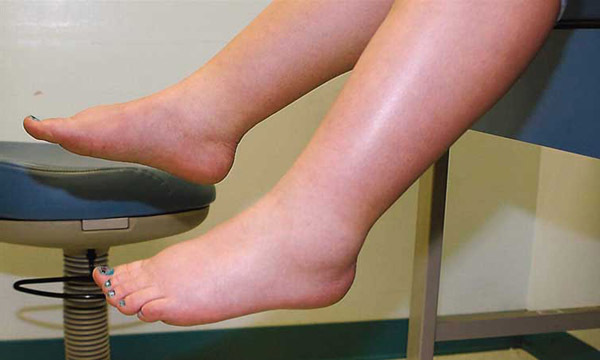
2. Changes in Skin Color or Texture on the Feet
Kidney dysfunction can affect blood circulation and waste removal, leading to changes in the skin.
You may notice:
-
Pale, grayish, or unusually dark skin
-
Dry, cracked, or flaky feet
-
Thickened or rough skin texture
Why it happens:
Toxin buildup and poor circulation can reduce skin hydration and elasticity, making the feet more prone to dryness and irritation.
3. Tingling, Numbness, or Burning Sensations
Unusual sensations in the feet - such as tingling, numbness, or burning — may be linked to nerve damage.
Why it happens:
Kidney disease can lead to the accumulation of toxins that damage peripheral nerves, a condition known as uremic neuropathy.
This symptom is more common in advanced kidney disease but may also appear earlier, especially in people with diabetes or high blood pressure.
4. Foot Pain or Cramping at Night
Frequent foot cramps or unexplained pain, especially at night, may signal electrolyte imbalances.
Why it happens:
Kidneys regulate essential minerals such as calcium, potassium, and phosphorus. When these levels become imbalanced, muscle cramps and spasms can occur — often in the feet or calves.
Nighttime cramps that happen regularly and are not linked to exercise or dehydration deserve medical evaluation.
5. Slow-Healing Wounds or Infections on the Feet
Cuts, blisters, or sores on the feet that heal slowly may indicate underlying circulation or immune system problems.
Why it happens:
Kidney disease can impair immune response and blood flow, making it harder for the body to repair tissue and fight infections. This is especially concerning for people with diabetes, who already face higher risks of foot complications.
When Should You See a Doctor?
You should consult a healthcare professional if:
-
Foot swelling is persistent or worsening
-
You experience numbness or pain without a clear cause
-
Skin changes do not improve with care
-
Foot wounds heal slowly or become infected
-
You have risk factors such as diabetes, high blood pressure, or a family history of kidney disease
A simple blood test, urine test, and blood pressure check can help assess kidney function.
How to Support Kidney and Foot Health
While medical care is essential, daily habits also matter:
-
Stay hydrated, but avoid excessive fluid intake if advised by your doctor
-
Reduce sodium intake
-
Control blood sugar and blood pressure
-
Maintain a balanced diet rich in vegetables and lean protein
-
Avoid smoking and limit alcohol
-
Exercise regularly to improve circulation
-
Inspect your feet daily for changes or injuries
Final Thoughts
Your feet can quietly reflect what’s happening inside your body. While unusual foot symptoms do not automatically mean kidney disease, they can be early warning signs that something is off.
Listening to your body, noticing changes, and seeking timely medical advice can make a significant difference. Kidney problems are often easier to manage when detected early and sometimes, your feet are the first to send the message.
If something feels unusual or persistent, don’t ignore it. Your kidneys may be asking for help.