Poor circulation, cold feet, and varicose veins are more common than many people realize. These issues can affect people of all ages and often worsen over time if left unaddressed. While they may start as mild discomfort, doctors warn that circulation problems can impact overall health, energy levels, and quality of life. Fortunately, medical experts say there are practical steps people can take to improve blood flow and reduce symptoms. Here are six doctor-recommended strategies that can make a meaningful difference.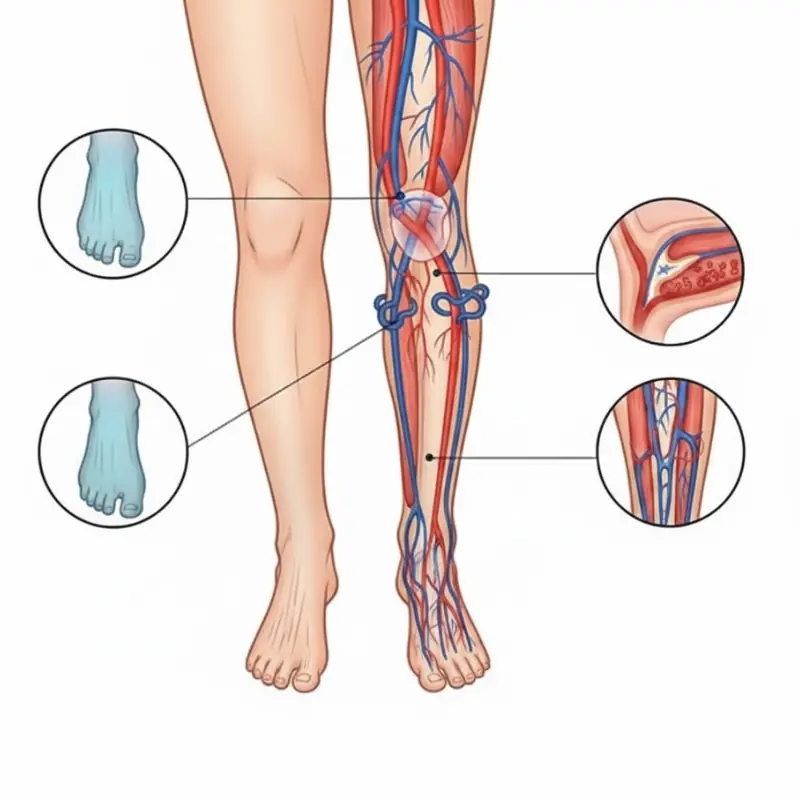
1. Stay Physically Active Every Day
One of the most effective ways to improve circulation is regular movement. Exercise helps the heart pump blood more efficiently and prevents blood from pooling in the legs. Doctors recommend activities such as walking, swimming, cycling, or gentle stretching.
For people who sit or stand for long periods, even short breaks to move around can help. Simple actions like flexing the ankles, stretching the calves, or taking a brief walk can improve blood flow and reduce pressure in the veins.
2. Elevate Your Legs When Resting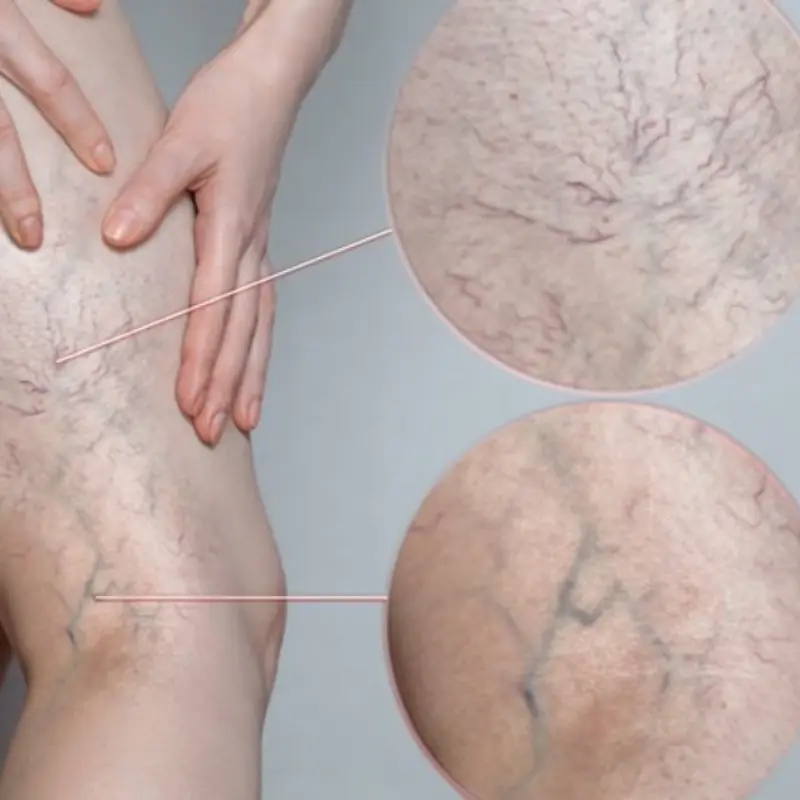
Doctors often advise patients with poor circulation or varicose veins to elevate their legs whenever possible. Raising the legs above heart level helps blood flow back toward the heart and reduces swelling in the lower limbs.
Doing this for 15 to 30 minutes a few times a day can ease discomfort, especially after long hours of standing or sitting. Elevation is a simple habit that requires no equipment but offers noticeable relief.
3. Maintain a Healthy Weight
Excess body weight puts additional pressure on blood vessels, particularly in the legs. Over time, this pressure can weaken veins and contribute to poor circulation and varicose veins.
Doctors emphasize that even modest weight loss can significantly reduce strain on the circulatory system. A balanced diet combined with regular physical activity supports healthy blood flow and lowers the risk of circulation-related complications.
4. Improve Diet to Support Blood Flow
What you eat plays an important role in circulation. Doctors recommend a diet rich in fruits, vegetables, whole grains, and lean proteins. Foods high in antioxidants and fiber help keep blood vessels healthy and flexible.
Reducing salt intake is also important, as excess sodium can cause fluid retention and worsen swelling in the legs. Staying well hydrated supports proper blood viscosity and circulation throughout the body.
5. Wear Compression Socks or Stockings
For people with varicose veins or chronic circulation problems, doctors often recommend compression socks or stockings. These garments apply gentle pressure to the legs, helping veins move blood more effectively toward the heart.
Compression wear can reduce swelling, discomfort, and fatigue, especially for individuals who stand or sit for extended periods. It is important to choose the correct level of compression based on medical advice.
6. Avoid Prolonged Sitting or Standing
Remaining in one position for too long can slow blood flow and worsen circulation issues. Doctors advise changing positions regularly throughout the day. If your job requires long periods of sitting, stand up and move every 30 to 60 minutes.
For those who must stand for work, shifting weight, walking briefly, or stretching can help prevent blood from pooling in the legs. Small adjustments in daily habits can lead to significant improvements over time.
When to Seek Medical Advice
While these strategies can help manage symptoms, doctors stress the importance of seeking medical care if circulation problems worsen or are accompanied by pain, skin discoloration, or sores that do not heal. These signs may indicate more serious underlying conditions that require professional treatment.