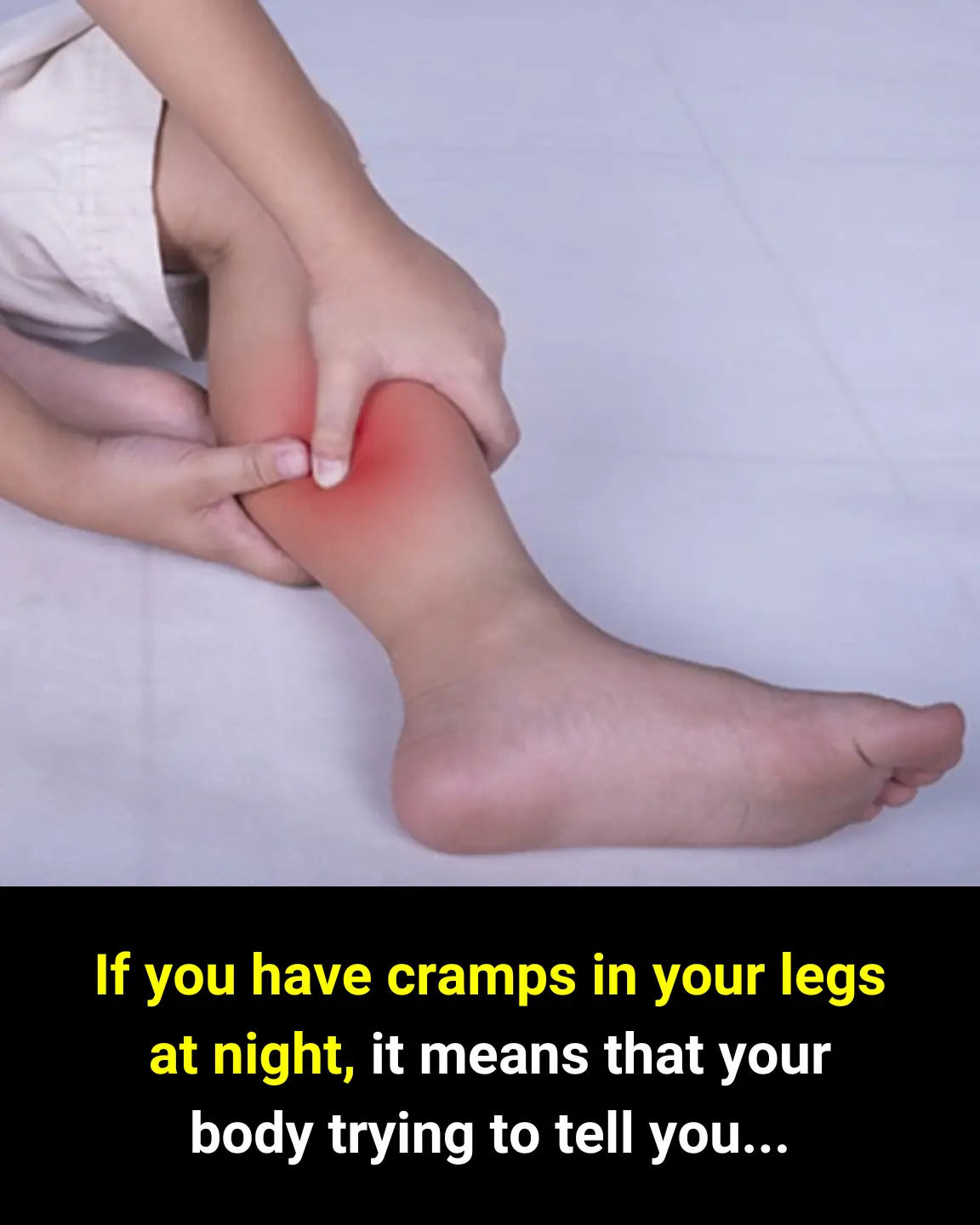
Night cramps, also known as nocturnal leg cramps, are sudden, painful muscle contractions that usually occur in the calves, feet, or thighs while you are sleeping or resting at night. They can last from a few seconds to several minutes and often leave the affected muscle sore for hours afterward. Although night cramps are common and usually harmless, frequent episodes can seriously disrupt sleep and reduce quality of life.
Understanding what causes night cramps is the first step toward preventing them effectively.
Common Causes of Night Cramps
1. Muscle Fatigue and Overuse
One of the most common causes of night cramps is muscle fatigue. Standing for long periods, excessive walking, intense exercise, or physical labor during the day can overload the muscles. When muscles are overworked and not given enough time to recover, they are more likely to cramp during rest at night.
2. Dehydration
Not drinking enough fluids can lead to dehydration, which affects the balance of electrolytes in the body. When fluid levels are low, muscles become more sensitive and prone to involuntary contractions. Even mild dehydration can increase the risk of night cramps.
3. Electrolyte Imbalances
Electrolytes such as potassium, magnesium, calcium, and sodium play a crucial role in muscle contraction and relaxation. Low levels of these minerals can interfere with nerve signals and cause muscles to cramp, especially at night when the body is at rest.
4. Poor Blood Circulation
Reduced blood flow to the legs can trigger muscle cramps. This may happen due to prolonged sitting, crossing legs for long periods, or underlying circulation issues. When muscles do not receive enough oxygen and nutrients, they can cramp more easily.
5. Nerve Compression
Problems in the spine, such as a herniated disc or spinal stenosis, can compress nerves that travel to the legs. This nerve irritation can cause pain, tingling, or cramping, particularly at night when lying in certain positions.

6. Certain Medical Conditions
Night cramps may be associated with health conditions such as:
-
Diabetes
-
Kidney disease
-
Thyroid disorders
-
Peripheral artery disease
-
Liver disease
These conditions can affect nerves, muscles, or electrolyte balance, increasing the risk of cramping.
7. Medications
Some medications list muscle cramps as a side effect. These may include:
-
Diuretics (water pills)
-
Cholesterol-lowering drugs (statins)
-
Blood pressure medications
-
Asthma medications
If cramps begin after starting a new medication, it is important to discuss this with a healthcare provider.
8. Pregnancy and Aging
Pregnant individuals often experience night cramps due to changes in circulation, weight, and mineral needs. Older adults are also more prone to cramps because muscle mass decreases with age, and mineral absorption may be less efficient.

How to Fix and Prevent Night Cramps
1. Stretch Before Bed
Gentle stretching of the calves, thighs, and feet before sleeping can significantly reduce the risk of night cramps. Stretching helps relax muscles and improves circulation.
2. Stay Hydrated
Drink enough water throughout the day, especially if you are physically active or live in a hot climate. Avoid excessive caffeine and alcohol, which can contribute to dehydration.
3. Maintain Electrolyte Balance
Ensure your diet includes foods rich in essential minerals:
-
Potassium: bananas, oranges, sweet potatoes
-
Magnesium: nuts, seeds, leafy greens
-
Calcium: dairy products, tofu, fortified foods
In some cases, supplements may help, but they should be taken under medical guidance.
4. Improve Sleeping Position
Avoid sleeping with your toes pointed downward, as this shortens calf muscles. Keeping your feet relaxed or slightly elevated may help prevent cramps. Supportive mattresses and pillows can also improve posture and circulation.
5. Massage and Heat Therapy
If a cramp occurs, gently massaging the muscle or applying a warm towel or heating pad can help the muscle relax. Some people also find relief with warm baths before bedtime.
6. Stay Physically Active — But Not Excessively
Regular, moderate exercise helps keep muscles flexible and improves blood circulation. However, avoid intense workouts late in the evening, as this may increase the risk of cramps during sleep.
7. Address Underlying Health Issues
If night cramps occur frequently or are severe, a medical evaluation may be necessary to rule out underlying conditions such as nerve disorders, circulation problems, or mineral deficiencies.
When to See a Doctor
You should consult a healthcare professional if:
-
Night cramps occur regularly and disrupt sleep
-
Cramps are severe or long-lasting
-
They are accompanied by swelling, numbness, or weakness
-
You suspect they are linked to medication or a medical condition
Conclusion
Night cramps can be painful and frustrating, but in most cases, they are preventable. By staying hydrated, maintaining a balanced diet, stretching regularly, and addressing lifestyle or health-related factors, you can greatly reduce their frequency and severity. Paying attention to your body’s signals and making small daily adjustments can lead to better sleep and healthier muscles.
If cramps persist despite these measures, seeking medical advice is the best way to identify and treat the underlying cause.