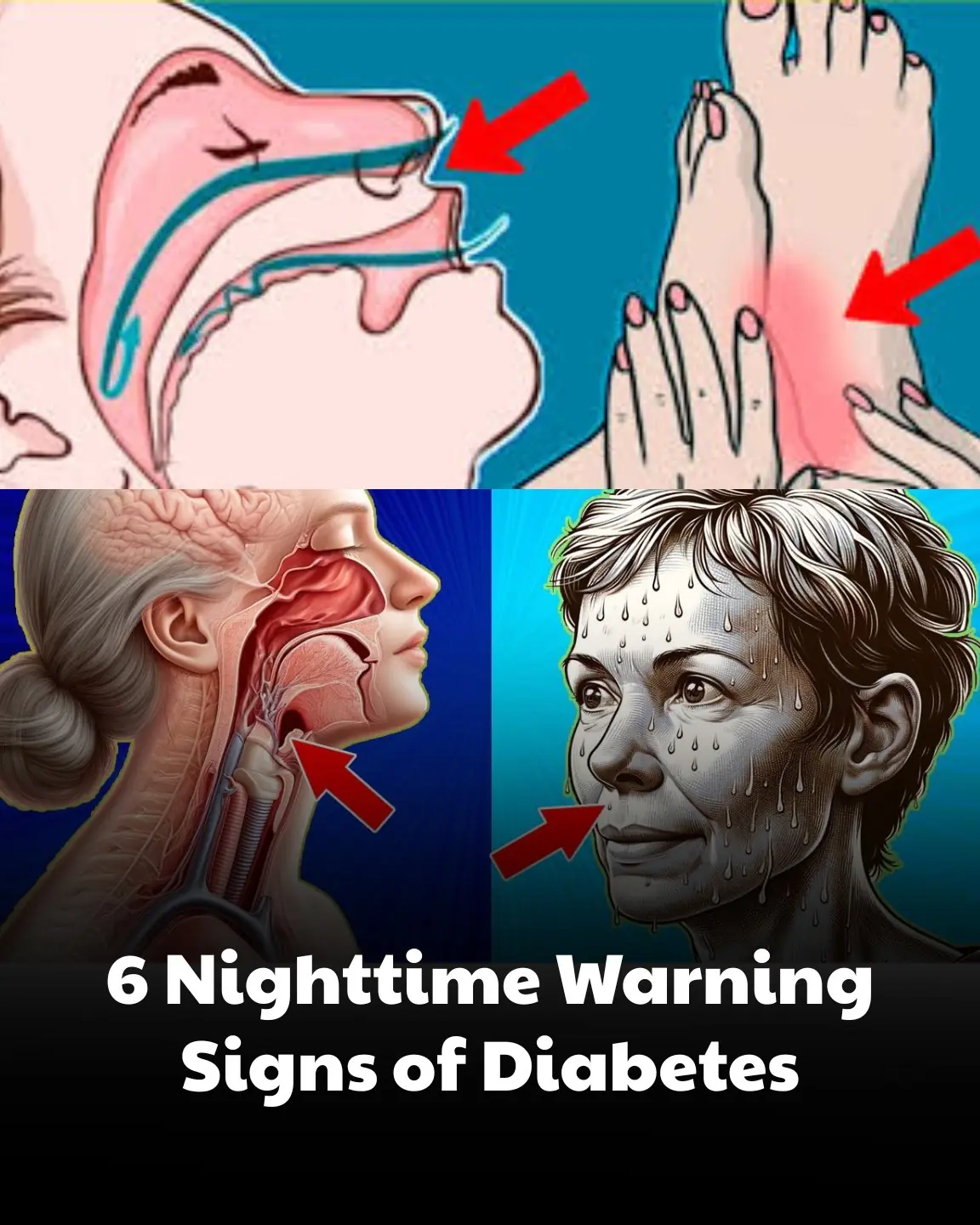
Diabetes often develops quietly, and many early symptoms are easy to miss - especially those that appear at night. While daytime signs like
fatigue or frequent thirst may seem obvious, night-time symptoms can be subtle but highly revealing, sometimes showing up months or
even years before a diagnosis.
If you regularly notice unusual changes during the night, your body may be signaling problems with blood sugar regulation. Below are six
important night-time warning signs of diabetes, why they happen, and when to seek medical advice.
Why Diabetes Symptoms Often Appear at Night
During sleep, the body continues to regulate blood sugar, hormones, and fluid balance. In people with undiagnosed or poorly controlled
diabetes:
-
Blood glucose may rise or fall unpredictably
-
The kidneys work harder to remove excess sugar
-
Nerves and circulation may already be affected
These processes can trigger symptoms that are most noticeable when the body is at rest.
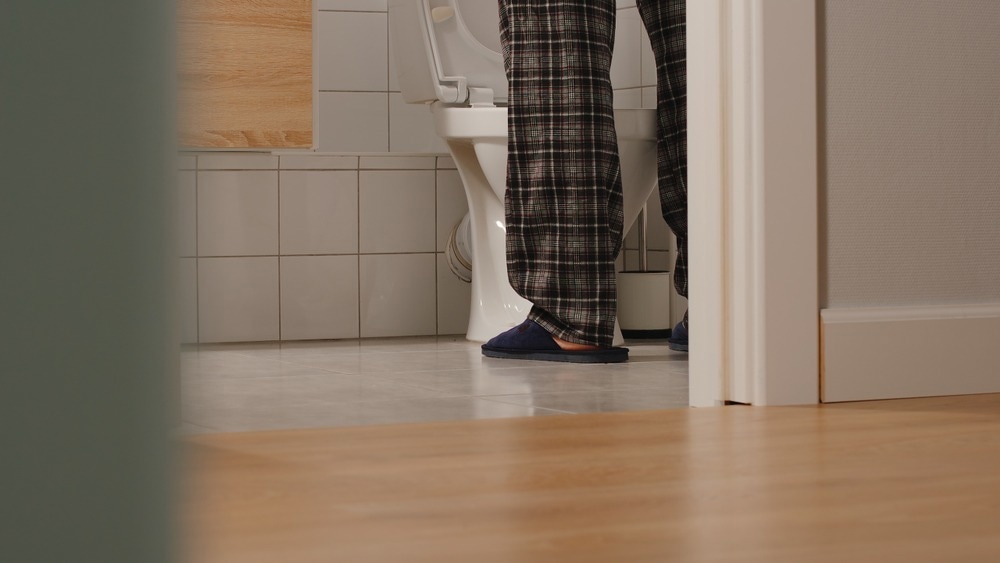
1. Frequent Urination During the Night (Nocturia)
Waking up multiple times at night to urinate is one of the most common early signs of diabetes.
Why it happens
High blood sugar forces the kidneys to work overtime to filter and remove excess glucose through urine. This pulls more water out of the
body, increasing urine production - especially overnight.
When to be concerned
-
Waking up to urinate more than 2 times per night
-
Sudden changes in nighttime bathroom habits
-
Urination accompanied by excessive thirst
2. Intense Thirst at Night
Many people with diabetes wake up feeling extremely thirsty, sometimes needing to drink water repeatedly throughout the night.
Why it happens
Frequent urination leads to dehydration. As fluids are lost, the body sends strong thirst signals to compensate.
Red flag signs
-
Dry mouth upon waking
-
Needing water beside the bed every night
-
Thirst that doesn’t improve with normal hydration
3. Night Sweats (Unrelated to Room Temperature)
Unexplained night sweats - especially if they soak clothing or sheets—can be linked to unstable blood sugar levels.
Why it happens
Low blood sugar (hypoglycemia) during sleep can trigger:
-
Adrenaline release
-
Increased heart rate
-
Excessive sweating
This is more common in people with insulin resistance or fluctuating glucose levels.
Important note
Night sweats caused by diabetes are often not related to heat, blankets, or menopause.
4. Tingling, Numbness, or Burning in Feet and Legs
These sensations often become more noticeable at night when there are fewer distractions.
Why it happens
Persistently high blood sugar can damage nerves, a condition known as diabetic neuropathy. Early nerve damage often begins in the feet
and lower legs.
Symptoms may include
-
Pins-and-needles sensations
-
Burning or stabbing pain
-
Numbness or reduced sensation
These symptoms may worsen at bedtime or disrupt sleep.
5. Restless Sleep or Sudden Nighttime Hunger
Some people wake up in the middle of the night feeling shaky, hungry, or anxious.
Why it happens
Drops in blood sugar during sleep can cause:
-
Sudden hunger
-
Trembling or weakness
-
Difficulty falling back asleep
This can happen even in people who haven’t been diagnosed with diabetes yet.
6. Blurred Vision or Headaches Upon Waking
Vision changes and morning headaches may be linked to overnight blood sugar fluctuations.
Why it happens
High blood sugar can cause fluid shifts in the eyes, affecting vision. Dehydration and glucose instability can also trigger headaches.
Watch for
-
Blurry vision that improves during the day
-
Frequent morning headaches
-
Eye strain without clear cause

Who Is Most at Risk?
These night-time symptoms are especially concerning for people who:
-
Have a family history of diabetes
-
Are overweight or inactive
-
Have high blood pressure or high cholesterol
-
Have had gestational diabetes
-
Are over age 40
However, diabetes can develop at any age.
When to See a Doctor
You should seek medical evaluation if:
-
You experience multiple symptoms listed above
-
Nighttime symptoms persist or worsen
-
Sleep is regularly disrupted
-
Symptoms are accompanied by fatigue, weight changes, or infections
A simple blood test can often provide clarity.
Steps You Can Take Right Now
While waiting for medical advice:
-
Reduce sugary and refined foods
-
Stay hydrated during the day
-
Avoid heavy meals late at night
-
Maintain a regular sleep schedule
-
Monitor symptoms consistently
These steps do not replace medical care but may help reduce symptom severity.
Final Thoughts
Diabetes doesn’t always announce itself loudly. Sometimes, it whispers - especially at night. Frequent urination, excessive thirst, night
sweats, nerve sensations, and disrupted sleep may all be early warning signs your body is struggling to regulate blood sugar.
Listening to these signals and acting early can make a profound difference. Early detection allows for better management, fewer
complications, and a healthier future.
If your nights are trying to tell you something, it’s worth paying attention.