A stroke is a medical emergency that can change a person’s life in seconds. However, many people are unaware that the body often sends
early warning signs before a major stroke occurs. One of the most important of these warnings is a mini-stroke, medically known as a
Transient Ischemic Attack (TIA).
Recognizing mini-stroke symptoms early and taking immediate action can significantly reduce the risk of a full-blown stroke. Understanding
what a mini-stroke is, how it feels, and why it matters could save a life - possibly your own.
What Is a Mini-Stroke (TIA)?
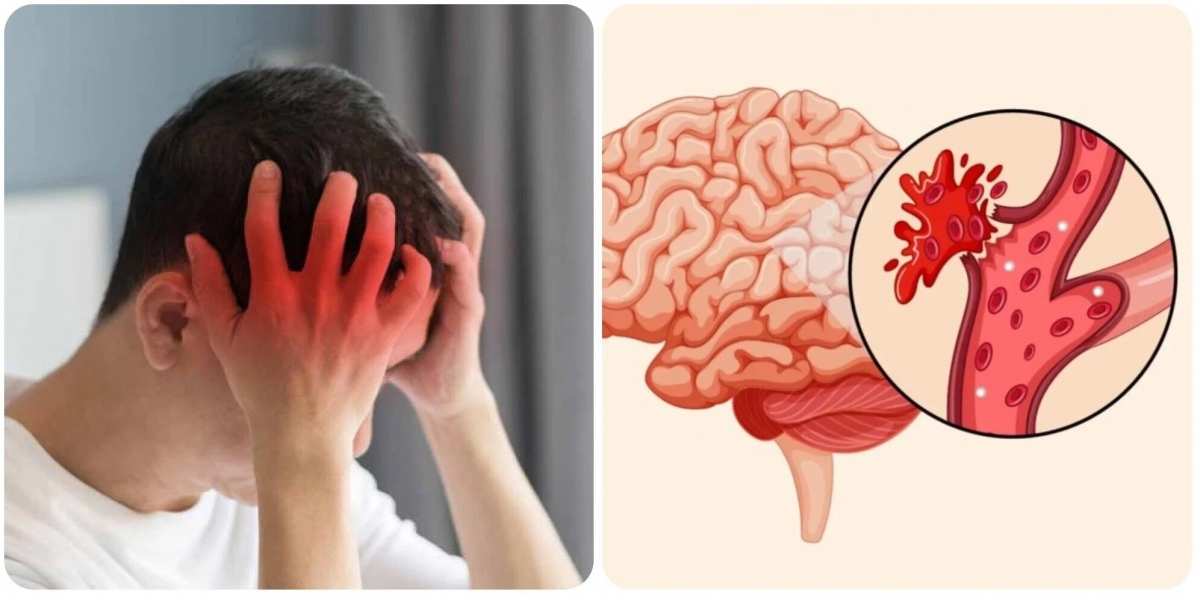
A mini-stroke, or TIA, occurs when blood flow to part of the brain is temporarily blocked. Unlike a major stroke, the blockage resolves on its
own, and symptoms usually disappear within minutes to hours.
However, a mini-stroke is not harmless. It is a serious warning sign that the brain is at high risk of experiencing a more severe stroke in the
near future.
Studies show that:
-
Up to 1 in 3 people who experience a TIA will later have a stroke
-
The highest risk is within the first 48 hours to 3 months after a mini-stroke

Common Mini-Stroke Symptoms You Should Never Ignore
Mini-stroke symptoms often appear suddenly and may be mild or brief, making them easy to dismiss. However, even symptoms that last only a few minutes require urgent medical attention.
1. Sudden Weakness or Numbness
This often affects one side of the body, including:
-
Face (drooping or uneven smile)
-
Arm or leg (difficulty lifting or controlling movement)
2. Trouble Speaking or Understanding Speech
A person may:
-
Slur words
-
Struggle to find the right words
-
Have difficulty understanding simple sentences
3. Vision Problems
Sudden changes in vision may include:
-
Blurred vision
-
Double vision
-
Loss of vision in one or both eyes
4. Dizziness or Loss of Balance
A mini-stroke may cause:
-
Sudden dizziness
-
Difficulty walking
-
Poor coordination or balance
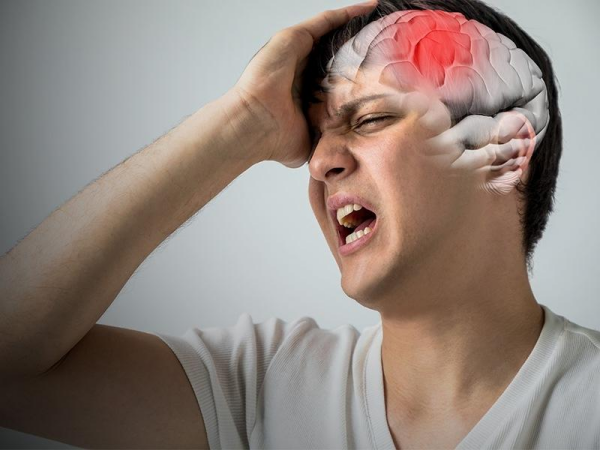
5. Sudden, Unexplained Headache
Although less common, a sudden severe headache with no clear cause can be a warning sign, especially if it appears alongside other symptoms.
The FAST Test: A Simple Way to Identify Stroke Symptoms
Healthcare professionals recommend using the FAST method:
-
F – Face: Does one side droop when smiling?
-
A – Arms: Can both arms be raised evenly?
-
S – Speech: Is speech slurred or hard to understand?
-
T – Time: If you notice any of these signs, call emergency services immediately.
Even if symptoms disappear, do not wait. A mini-stroke requires immediate medical evaluation.
Why Mini-Strokes Are So Dangerous
Because symptoms often resolve quickly, many people ignore them. This is a critical mistake.
A mini-stroke indicates:
-
Narrowed or blocked blood vessels
-
Blood clots forming in the arteries
-
Irregular heart rhythm (such as atrial fibrillation)
-
Underlying conditions like high blood pressure or diabetes
Without treatment, the underlying cause remains - increasing the risk of a major stroke that can lead to permanent disability or death.
Who Is at Risk?
Anyone can experience a mini-stroke, but the risk is higher in people who have:
-
High blood pressure
-
Diabetes
-
High cholesterol
-
Heart disease or irregular heartbeat
-
A history of smoking
-
Obesity or physical inactivity
-
Family history of stroke
-
Age over 55 (though younger adults are not immune)
What Happens After a Mini-Stroke?
If you seek medical care promptly, doctors can:
-
Identify the cause of the TIA
-
Prescribe medications to prevent clot formation
-
Manage blood pressure and cholesterol
-
Recommend lifestyle changes
-
In some cases, perform procedures to restore blood flow
Early treatment can reduce the risk of a future stroke by up to 80%.
How to Prevent a Stroke After a Mini-Stroke
Prevention focuses on managing risk factors:
-
Take prescribed medications consistently
-
Control blood pressure and blood sugar
-
Eat a heart-healthy diet
-
Exercise regularly
-
Quit smoking
-
Limit alcohol consumption
-
Attend regular medical checkups
Final Thoughts
A mini-stroke is the brain’s warning alarm - brief, but serious. Recognizing its symptoms and responding quickly can prevent a devastating stroke and protect long-term brain health.
Never ignore sudden neurological symptoms, even if they disappear. Acting fast doesn’t just save time - it saves lives.
If you or someone around you experiences possible mini-stroke symptoms, seek emergency medical care immediately.