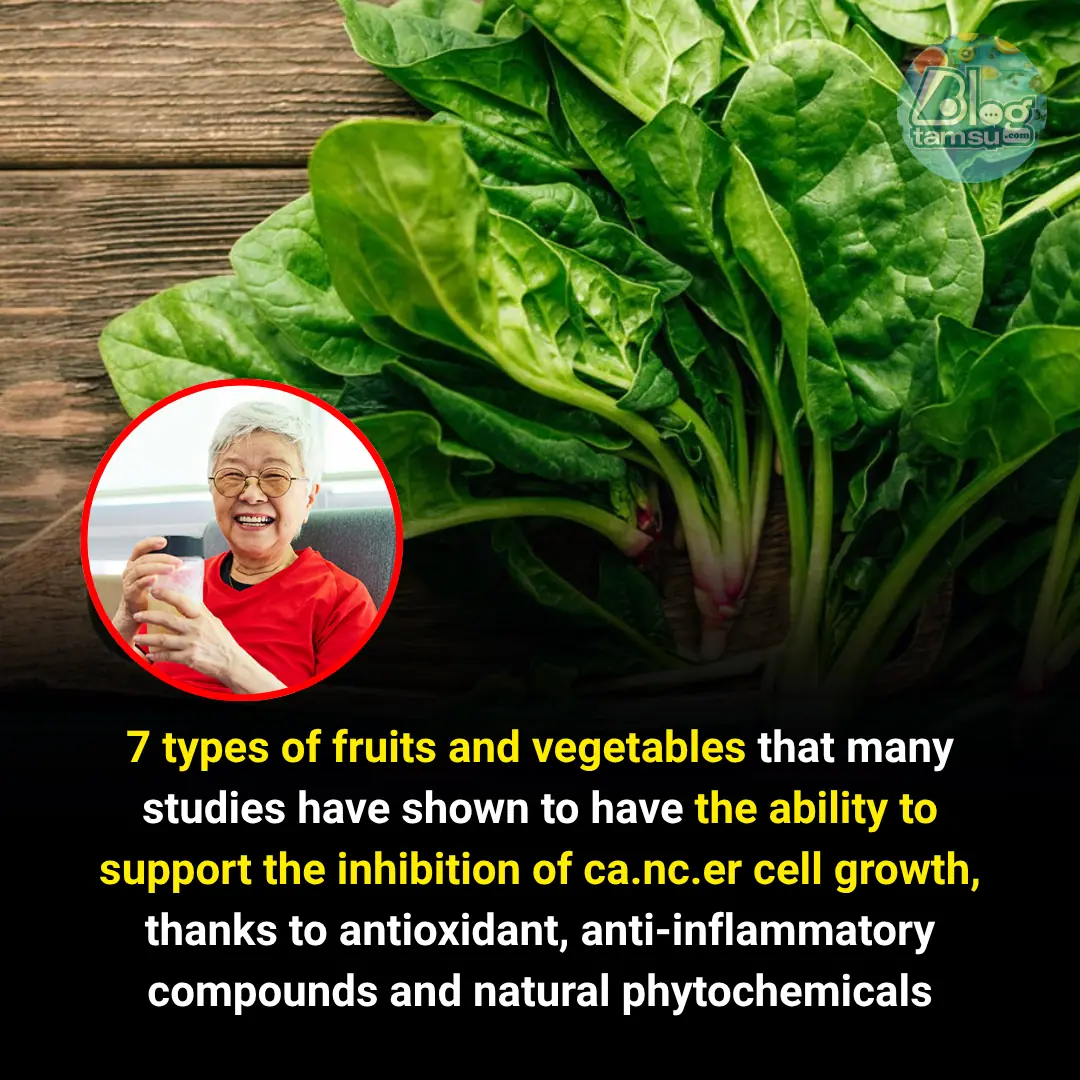
7 Vegetables and Fruits That Help Inhibit Cancer Cell Growth
Many studies have shown that the following 7 types of vegetables and fruits contain antioxidants, anti-inflammatory compounds, and natural phytochemicals that can help inhibit the growth of cancer cells:
1. Broccoli
-
Key compound: Sulforaphane – a sulfur-containing compound.
-
Effects: Sulforaphane has been shown to kill cancer cells, particularly in colorectal, breast, and prostate cancers.
-
Tip: Eat raw or lightly steamed to preserve sulforaphane.
2. Tomatoes
-
Key compound: Lycopene – a powerful antioxidant.
-
Effects: Reduces the risk of prostate, lung, and stomach cancers. Lycopene also protects DNA from damage.
-
Tip: Cook tomatoes with oil (such as olive oil) to enhance lycopene absorption.
3. Garlic
-
Key compound: Allicin – a sulfur compound released when garlic is crushed.
-
Effects: Inhibits the formation and growth of cancer cells, especially in stomach, colon, and breast cancers.
-
Tip: Crush garlic and let it sit for 10 minutes before cooking to activate its beneficial compounds.
4. Turmeric
-
Key compound: Curcumin.
-
Effects: Curcumin has strong anti-inflammatory properties and inhibits cancer cell signaling pathways, preventing their proliferation. It is particularly effective for colorectal, breast, and liver cancers.
-
Tip: Combine with black pepper to enhance curcumin absorption.
5. Leafy Greens (kale, spinach, bok choy, etc.)
-
Key compounds: Glucosinolates, carotenoids, vitamins C and K.
-
Effects: Support detoxification, enhance liver enzyme activity, and inhibit the development of cancer cells.
-
Tip: Use in salads or lightly steam to retain nutrients.
6. Blueberries
-
Key compound: Anthocyanins – powerful antioxidants.
-
Effects: Protect cells from free radical damage, slow aging, and help inhibit cancer cell growth.
-
Tip: Eat fresh or blend into smoothies, avoid added sugar.
7. Carrots
-
Key compound: Beta-carotene – a precursor to vitamin A.
-
Effects: Protects cell membranes and inhibits the growth of cancer cells, especially in lung and stomach cancers.
-
Tip: Can be eaten raw, steamed, or juiced.
✅ Important Note:
-
These foods do not replace cancer treatment but can help support prevention and improve overall health.
-
Combine a balanced diet, regular exercise, and routine health check-ups to reduce the risk of cancer.