Chicken is one of the world’s most popular sources of protein—affordable, versatile, and easy to cook. But according to a longtime poultry vendor, not all chicken sold at bargain prices is a good deal. In fact, some “too cheap to ignore” chicken products may come with hidden risks, especially when storage, sourcing, or handling is unclear.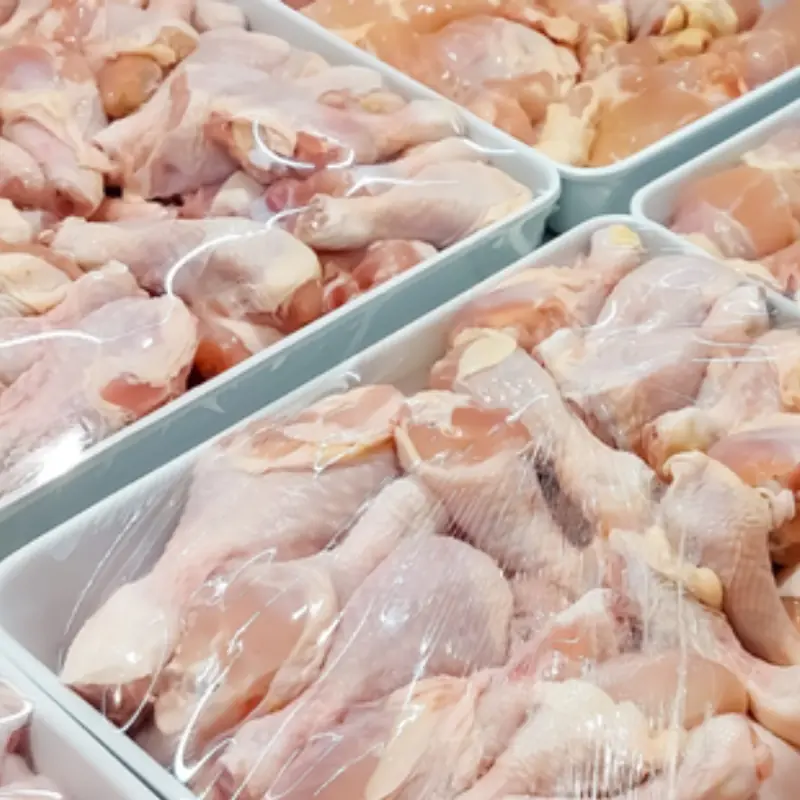
The warning is simple: price should never be the only factor when buying meat. “Some chicken looks fine at first glance,” the vendor explains, “but if you know what to look for, you’ll avoid products that could put your health at risk.”
So what types of chicken should shoppers be extra cautious about?
1) Chicken With Unclear Origin or No Proper Labeling
One of the biggest red flags is chicken meat that doesn’t clearly show where it came from, how it was processed, or when it was packaged. Legitimate sellers usually provide labels that include production dates, storage instructions, and supplier information.
Unlabeled chicken may come from informal sources, where quality checks are inconsistent. That doesn’t automatically mean it’s unsafe—but it does mean the buyer has no reliable way to verify freshness, handling conditions, or hygiene standards.
What to watch for:
-
No packaging date or expiration date
-
No company name, stamp, or inspection information
-
Sellers who cannot explain the source clearly
If the chicken is extremely cheap and the origin is vague, experts suggest treating it as a risk—especially for households with children, older adults, or pregnant women.
2) Chicken That Has Been Thawed and Refrozen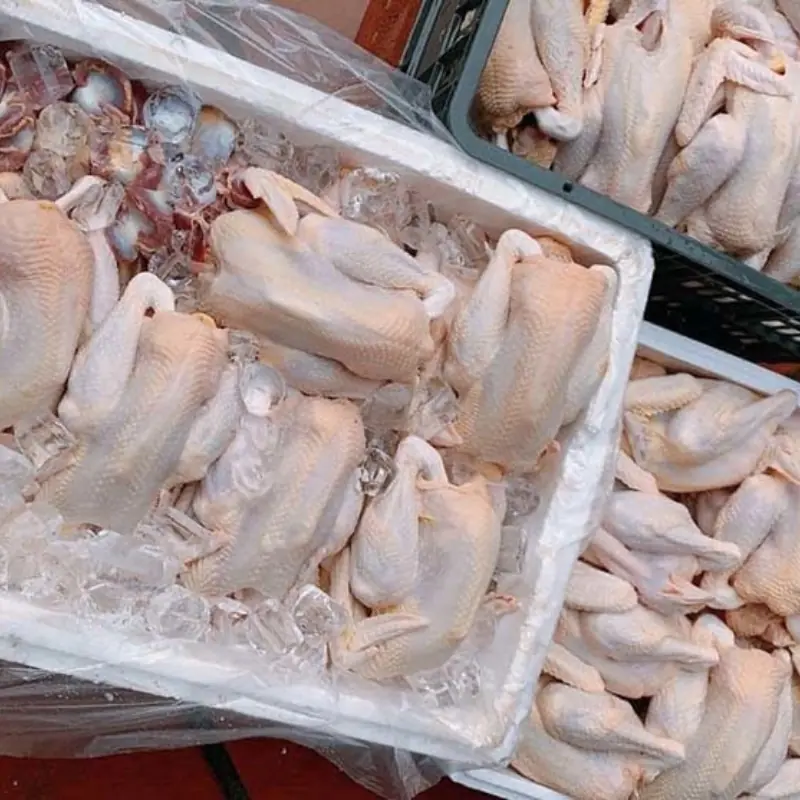
Many buyers don’t realize that some chicken has already been thawed and then frozen again to “refresh” its appearance or extend shelf life. This practice can affect both taste and safety, because repeated temperature changes encourage bacterial growth and reduce meat quality.
Refrozen chicken often looks watery, soft, or uneven in texture. Once cooked, it may release excessive liquid and feel rubbery.
Signs the chicken may have been thawed/refrozen:
-
Too much ice build-up or “snowy” frost inside packaging
-
Meat that looks dry on the outside but watery underneath
-
Pools of pink liquid (drip) inside the tray
-
Strange smell after defrosting
While properly handled frozen chicken can be perfectly safe, chicken with clear signs of thawing and refreezing should be avoided.
3) Chicken With Unnatural Color, Smell, or Slimy Texture
Fresh chicken typically has a pale pink color and a mild, neutral smell. The vendor warns buyers to avoid chicken that appears grayish, yellowish, overly shiny, or has a sticky surface.
A slimy texture often indicates bacterial growth. And although “bad smell” may sound obvious, some spoiled chicken can have only a faint sour odor at first—especially when still cold.
Red flags include:
-
Sour, ammonia-like, or “chemical” smell
-
Sticky or slippery surface that doesn’t rinse off
-
Discoloration (gray patches, deep yellow tones)
-
Meat that looks overly glossy or unusually wet
Even if the chicken is sold cheaply, these are strong warning signs that it may not be safe to consume.
How to Buy Chicken More Safely
Food safety specialists recommend a few practical habits:
-
Buy from stores or vendors with clean equipment and cold storage
-
Choose chicken that is properly chilled or frozen
-
Check packaging dates and avoid damaged wrapping
-
Bring an insulated bag if travel time is long
-
Cook chicken thoroughly and keep raw meat separate from other foods
At home, chicken should be refrigerated quickly and cooked within a safe timeframe. If freezing, do so as soon as possible after purchase to preserve quality.