An inguinal hernia is one of the most common types of hernia and affects millions of people worldwide. It occurs when soft tissue, often part of the intestine or abdominal fat, pushes through a weakened area in the lower abdominal wall near the groin. Although some inguinal hernias may initially cause only mild discomfort or subtle symptoms, they can gradually enlarge and potentially lead to serious complications if left untreated.
One of the biggest challenges with inguinal hernias is that many people ignore early warning signs, assuming the discomfort is temporary muscle strain or minor soreness. However, recognizing symptoms early and seeking proper medical evaluation may help reduce the risk of pain, bowel complications, and emergency situations later.
Understanding how inguinal hernias develop, what symptoms to watch for, and when medical attention is necessary can help people make informed decisions about their health.
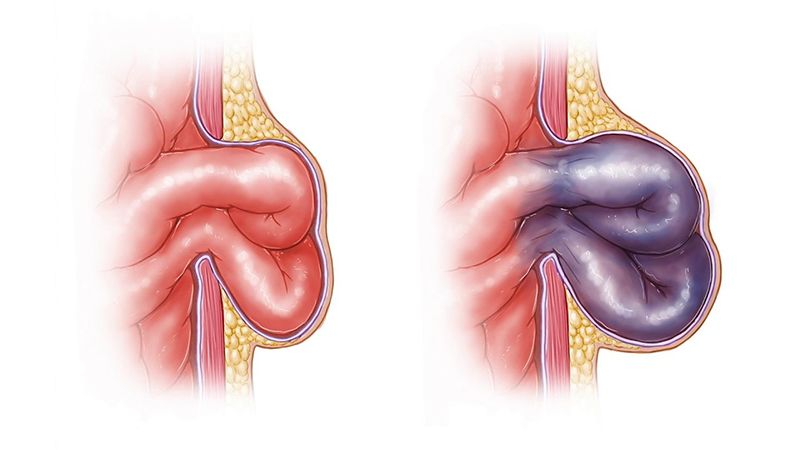
What Is an Inguinal Hernia?
An inguinal hernia develops when tissue pushes through a weak spot in the abdominal muscles near the groin area.
The condition commonly occurs in the:
- Lower abdomen
- Groin region
Inguinal hernias are more common in:
- Men
- Older adults
- People who frequently lift heavy objects
However, women and younger individuals may also develop them.
Why the Groin Area Is Vulnerable
The groin contains natural openings and pathways where structures pass between the abdomen and lower body.
These areas may become weakened over time due to:
- Aging
- Pressure
- Muscle strain
- Genetics
When pressure inside the abdomen increases, tissue may begin pushing outward through weakened muscle layers.
Common Causes of Inguinal Hernias
Several factors may contribute to hernia development.
These include:
- Heavy lifting
- Chronic coughing
- Obesity
- Constipation with straining
- Pregnancy
- Aging
- Weak abdominal muscles
Some people may also inherit naturally weaker connective tissue.
How Increased Pressure Affects the Abdomen
Repeated abdominal pressure may gradually weaken muscles over time.
Pressure may increase during:
- Heavy lifting
- Chronic sneezing
- Intense exercise
- Persistent coughing
- Straining during bowel movements
Over time, weakened areas may allow tissue to protrude outward.
1. A Visible Bulge in the Groin
One of the most common early signs is a noticeable bulge near the groin.
The bulge may:
- Appear while standing
- Become larger when coughing
- Reduce when lying down
Some people only notice the swelling after physical activity or prolonged standing.
The bulge may feel soft or firm depending on the hernia size.
Why the Bulge Changes Size
The protruding tissue may move in and out depending on:
- Body position
- Muscle tension
- Abdominal pressure
Lying flat may temporarily reduce pressure and allow the bulge to shrink.
2. Groin Pain or Discomfort
Many people experience:
- Mild aching
- Burning sensations
- Pressure
- Pulling discomfort
in the groin area.
Symptoms may worsen during:
- Lifting
- Bending
- Coughing
- Long periods of standing
Early discomfort is sometimes subtle and easy to ignore.
3. Heaviness or Pressure in the Lower Abdomen
Some individuals describe feeling:
- Heaviness
- Fullness
- Pressure in the groin
especially after physical activity.
This sensation may become more noticeable throughout the day.
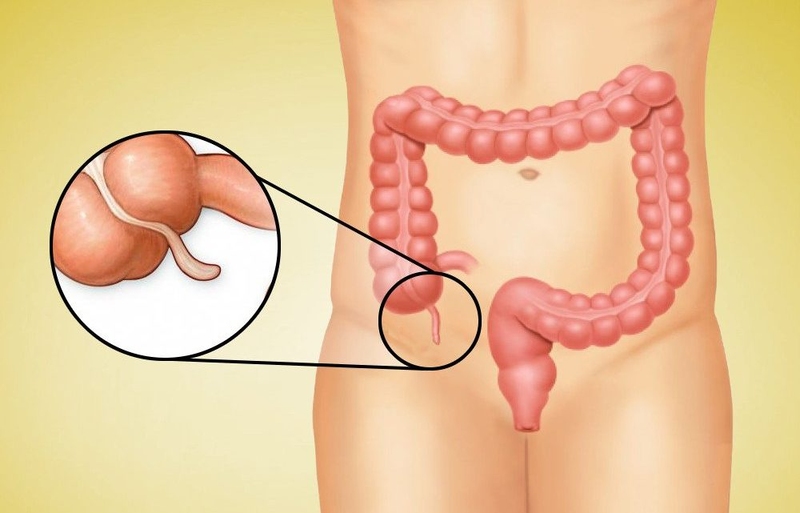
4. Pain During Physical Activity
Activities increasing abdominal pressure may worsen symptoms.
Examples include:
- Weightlifting
- Running
- Carrying heavy objects
- Intense exercise
The hernia area may become more painful during strain.
5. Symptoms That Improve While Resting
Many early inguinal hernia symptoms temporarily improve during rest.
People may notice relief:
- While lying down
- After relaxing abdominal muscles
- During sleep
This temporary improvement often delays medical evaluation.
Why Some People Ignore Early Symptoms
People often mistake hernia discomfort for:
- Muscle strain
- Sports injury
- Temporary soreness
Because symptoms may come and go initially, many delay seeking medical advice.
However, untreated hernias may enlarge over time.
Can Inguinal Hernias Heal on Their Own?
Inguinal hernias generally do not disappear permanently without treatment.
While symptoms may fluctuate, the underlying muscle weakness usually remains.
Some small hernias may stay stable temporarily, but others gradually worsen.
Potential Complications of Untreated Hernias
Leaving a hernia untreated may increase the risk of complications such as:
- Increased pain
- Enlarging bulge
- Bowel obstruction
- Strangulation
These complications may become medical emergencies.
What Is a Strangulated Hernia?
A strangulated hernia occurs when blood supply to trapped tissue becomes restricted.
This may lead to:
- Tissue damage
- Severe pain
- Intestinal injury
Strangulation is considered a surgical emergency.
Warning Signs of Emergency Complications
Seek immediate medical attention if symptoms include:
- Sudden severe pain
- Nausea
- Vomiting
- Fever
- Red or dark discoloration
- Hernia that cannot be pushed back
These symptoms may indicate trapped or strangulated tissue.
Inguinal Hernias in Men
Inguinal hernias occur more commonly in men because of anatomical differences in the groin region.
Some men may notice:
- Groin swelling
- Scrotal enlargement
- Pressure near the testicles
Symptoms vary depending on hernia size and severity.
Inguinal Hernias in Women
Although less common, women can also develop inguinal hernias.
Symptoms in women may sometimes be harder to recognize and may include:
- Pelvic discomfort
- Groin pain
- Pressure sensations
Diagnosis may occasionally be delayed because symptoms are less obvious.
How Doctors Diagnose Inguinal Hernias
Doctors often diagnose hernias through:
- Physical examination
- Medical history
- Imaging tests if needed
Examinations may involve:
- Standing
- Coughing
- Straining gently
to observe bulging.
Imaging Tests That May Be Used
When diagnosis is unclear, doctors may use:
- Ultrasound
- CT scans
- MRI scans
Imaging helps evaluate:
- Hernia size
- Tissue involvement
- Complications
Treatment Options
Treatment depends on:
- Hernia size
- Symptoms
- Risk of complications
Some small minimally symptomatic hernias may be monitored temporarily.
However, surgery is often the definitive treatment.
Hernia Surgery
Surgical repair usually involves:
- Returning protruding tissue
- Strengthening the abdominal wall
Modern surgical approaches may include:
- Open repair
- Minimally invasive laparoscopic techniques
Recovery times vary between individuals.
Why Early Treatment Matters
Early evaluation may help:
- Reduce pain
- Prevent enlargement
- Lower emergency risk
- Improve recovery outcomes
Smaller hernias are often easier to repair than large complicated ones.
Lifestyle Habits That May Reduce Strain
Certain habits may help reduce abdominal pressure, including:
- Maintaining healthy weight
- Avoiding heavy lifting
- Treating chronic cough
- Managing constipation
- Using proper lifting technique
These habits may support abdominal health overall.
Constipation and Hernia Risk
Repeated straining during bowel movements may increase abdominal pressure.
Fiber, hydration, and healthy bowel habits may help reduce excessive strain.
Obesity and Hernia Pressure
Excess body weight may place additional stress on abdominal muscles.
Weight management may help reduce pressure on weakened tissue areas.
Recovery After Hernia Surgery
Recovery recommendations may include:
- Limiting heavy lifting temporarily
- Gradual return to activity
- Proper wound care
- Following medical guidance
Most people recover well with appropriate treatment.
Emotional Effects of Hernia Symptoms
Chronic discomfort may affect:
- Physical activity
- Confidence
- Sleep
- Daily routines
Persistent symptoms should not be ignored simply because they seem manageable initially.
The Importance of Listening to Early Symptoms
The body often provides warning signs before serious complications develop.
Recognizing:
- Bulging
- Pressure
- Groin discomfort
- Pain during activity
may allow earlier medical care and better outcomes.
Final Thoughts
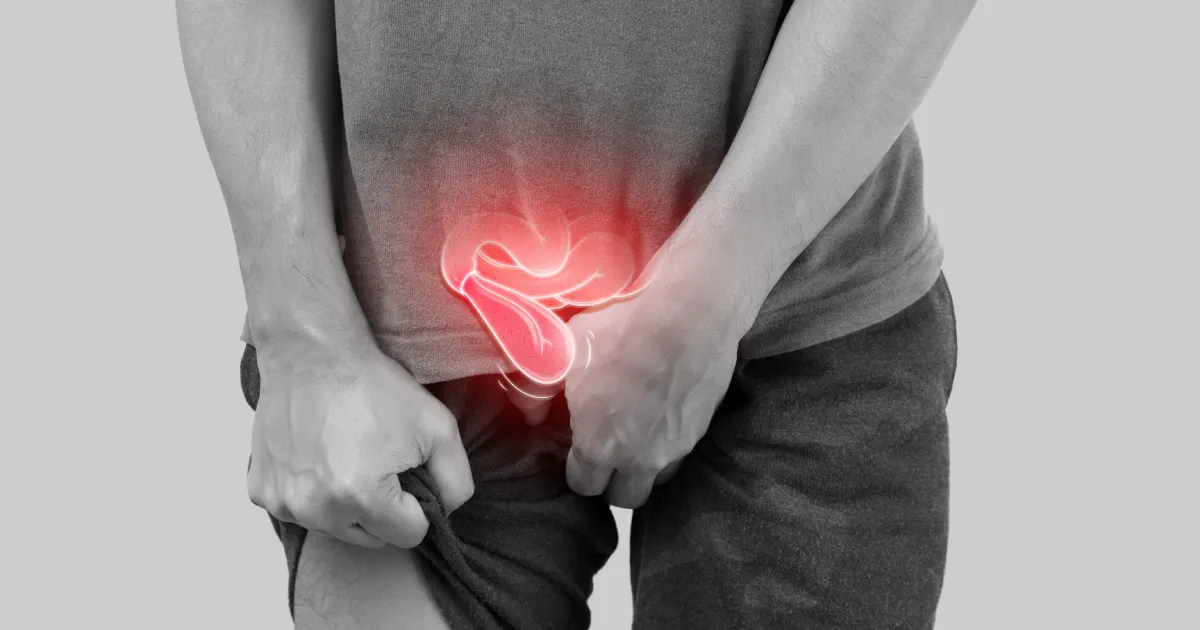
Inguinal hernias are common conditions that may begin with mild symptoms such as groin discomfort, pressure, or a small bulge but can gradually become more serious if left untreated. Early awareness and medical evaluation may help reduce the risk of pain, enlargement, bowel complications, and emergency situations later.
Although not every groin discomfort indicates a hernia, persistent swelling, pressure, or activity-related pain should never be ignored.
Understanding the warning signs and seeking timely medical care may help support safer treatment, faster recovery, and better long-term health outcomes.