Broccoli is often described as one of the healthiest vegetables available — and for good reason. This green cruciferous vegetable has attracted significant attention from nutrition experts, researchers, and doctors because of its rich nutrient profile and potential role in supporting overall wellness.
From heart health and digestion to immune support and antioxidant protection, broccoli contains a wide variety of vitamins, minerals, fiber, and plant compounds that may benefit the body in multiple ways. It is frequently included in healthy eating plans because it provides substantial nutrition while remaining relatively low in calories.
Although broccoli is not a miracle cure and cannot prevent disease on its own, many healthcare professionals encourage people to include more vegetables like broccoli in balanced diets as part of long-term healthy lifestyle habits.
Understanding why broccoli is so highly regarded may help people appreciate the value of adding more nutrient-rich vegetables to everyday meals.
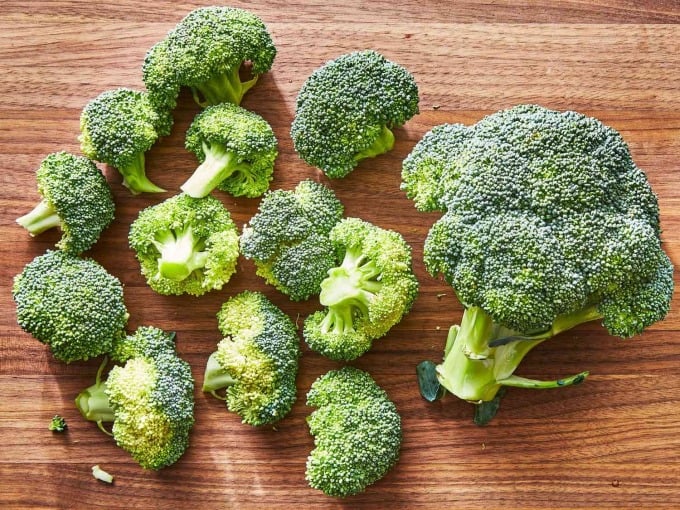
What Is Broccoli?
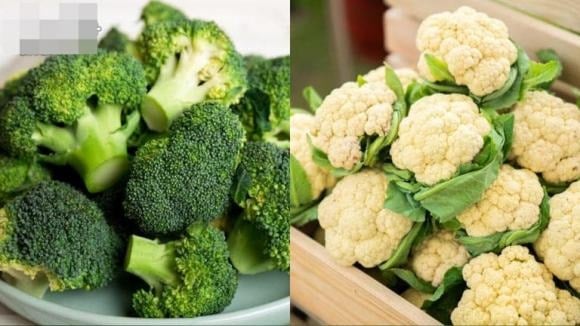
Broccoli belongs to the cruciferous vegetable family, which also includes:
- Cauliflower
- Kale
- Brussels sprouts
- Cabbage
It is known for its:
- Green florets
- Thick edible stalk
- Dense nutritional content
Broccoli can be eaten:
- Raw
- Steamed
- Roasted
- Stir-fried
- Added to soups and salads
Its versatility makes it popular worldwide.
Why Broccoli Is Considered Nutrient-Dense
Broccoli contains a large amount of nutrients relative to its calorie content.
It provides:
- Fiber
- Vitamin C
- Vitamin K
- Folate
- Potassium
- Antioxidants
This combination makes broccoli a highly nutrient-dense food.
Many doctors encourage increasing vegetable intake because vegetables often provide nutrients without excessive calories, sugar, or unhealthy fats.
1. Rich Source of Vitamin C
Broccoli contains significant amounts of vitamin C, an important nutrient involved in:
- Immune support
- Collagen production
- Skin health
- Antioxidant protection
Vitamin C helps protect cells from oxidative stress caused by unstable molecules called free radicals.
The body cannot produce vitamin C naturally, so dietary intake is important.
2. May Support Immune Function
Because broccoli contains:
- Vitamin C
- Antioxidants
- Plant compounds
it may help support normal immune system function.
Balanced nutrition plays a major role in maintaining the body’s defense systems.
No food can guarantee immunity from illness, but nutrient-rich diets may support healthier immune responses overall.
3. High in Fiber for Digestive Health
Broccoli provides dietary fiber, which supports:
- Digestive regularity
- Gut health
- Fullness after meals
Fiber also helps feed beneficial gut bacteria.
Healthy gut bacteria are increasingly linked to:
- Digestion
- Immune balance
- Metabolic health
Many people do not consume enough fiber daily, making vegetables like broccoli especially valuable.
Why Fiber Matters
Fiber may help:
- Promote regular bowel movements
- Slow digestion
- Stabilize energy levels
- Support healthy cholesterol balance
High-fiber foods are often associated with long-term digestive wellness.
4. Contains Powerful Plant Compounds
Broccoli contains naturally occurring plant compounds called:
- Glucosinolates
- Sulforaphane
- Flavonoids
Researchers continue studying these compounds for their potential roles in:
- Cellular protection
- Inflammation balance
- Detoxification pathways
Sulforaphane, in particular, has received significant scientific interest.
What Is Sulforaphane?
Sulforaphane is a sulfur-containing compound formed when broccoli is chopped or chewed.
It belongs to a group of compounds found mainly in cruciferous vegetables.
Scientists are studying how sulforaphane may interact with:
- Cellular defense systems
- Oxidative stress pathways
- Inflammatory responses
Research in this area is ongoing.
5. May Support Heart Health
Broccoli contains nutrients associated with cardiovascular wellness, including:
- Fiber
- Potassium
- Antioxidants
Healthy diets rich in vegetables are often linked to:
- Better blood pressure balance
- Healthier cholesterol levels
- Reduced cardiovascular risk factors
Broccoli may contribute to heart-friendly eating patterns.
Potassium and Blood Pressure
Potassium helps balance sodium levels inside the body.
Adequate potassium intake supports:
- Muscle function
- Nerve signaling
- Fluid balance
- Blood pressure regulation
Many vegetables naturally provide potassium without excess sodium.
6. May Support Bone Health
Broccoli contains:
- Vitamin K
- Calcium
- Magnesium
Vitamin K plays a role in bone metabolism and blood clotting.
Although dairy products are commonly associated with calcium, vegetables also contribute important minerals for skeletal health.
7. Low in Calories but Filling
Broccoli is relatively low in calories while being high in:
- Fiber
- Water
- Nutrients
This combination may help increase feelings of fullness.
Many healthy eating plans include broccoli because it adds volume to meals without excessive calorie intake.
8. May Support Healthy Weight Management
Because broccoli is nutrient-dense and filling, it may support balanced eating habits and weight management goals when included in healthy diets.
Replacing heavily processed foods with vegetables may help improve overall dietary quality.
However, no single food causes weight loss on its own.
Broccoli and Antioxidants
Antioxidants help neutralize unstable molecules called:
- Free radicals
Excess oxidative stress may contribute to:
- Aging
- Cellular damage
- Chronic disease processes
Broccoli contains several antioxidants that contribute to its nutritional value.
Raw vs Cooked Broccoli
Broccoli may be eaten either raw or cooked.
Cooking methods affect:
- Texture
- Flavor
- Nutrient levels
Steaming is often considered one of the gentler cooking methods because it may preserve more nutrients compared with prolonged boiling.
Why Overcooking Matters
Excessive cooking may reduce certain heat-sensitive nutrients such as vitamin C.
Overcooked broccoli may also lose:
- Texture
- Flavor
- Bright color
Light steaming or roasting often provides a balance between taste and nutrition.
Broccoli Sprouts and Nutrition
Young broccoli sprouts contain concentrated plant compounds, including sulforaphane precursors.
Researchers have studied broccoli sprouts for their potential nutritional properties.
However, raw sprouts should be handled carefully because improperly stored sprouts may carry bacterial contamination risks.
Can Everyone Eat Broccoli?
Broccoli is healthy for most people, but some individuals may experience:
- Gas
- Bloating
- Digestive discomfort
Cruciferous vegetables contain fermentable fibers that may increase gas production in sensitive individuals.
Moderation may help improve tolerance.
Thyroid Concerns and Cruciferous Vegetables
Some people worry about cruciferous vegetables affecting thyroid function because they contain compounds called:
- Goitrogens
For most people with balanced diets, moderate broccoli consumption is not considered harmful.
Cooking may reduce goitrogen activity.
Individuals with thyroid conditions should follow medical guidance regarding diet.
Easy Ways to Add More Broccoli to Meals
Broccoli can be included in many dishes, such as:
- Stir-fries
- Soups
- Pasta
- Salads
- Omelets
- Rice bowls
Combining broccoli with healthy fats may help absorption of certain nutrients.
Frozen vs Fresh Broccoli
Frozen broccoli can still be highly nutritious.
Many frozen vegetables are processed shortly after harvest, helping preserve nutrients.
Both fresh and frozen broccoli may support healthy eating.
Why Doctors Encourage More Vegetables Overall
Doctors often recommend increasing vegetable intake because vegetables tend to provide:
- Fiber
- Vitamins
- Minerals
- Antioxidants
while being relatively low in:
- Added sugar
- Saturated fat
- Excess calories
Broccoli is simply one strong example of a nutrient-rich vegetable.
The Importance of Balanced Nutrition
Even highly nutritious foods work best within overall balanced eating patterns.
Healthy lifestyles generally include:
- Diverse fruits and vegetables
- Whole grains
- Lean proteins
- Healthy fats
- Physical activity
- Good sleep
Broccoli supports wellness best as part of long-term healthy habits.

Final Thoughts
Broccoli has earned its reputation as one of the most nutritious vegetables because it provides fiber, vitamins, minerals, antioxidants, and plant compounds that may support digestion, heart health, immune function, bone health, and overall wellness.
While broccoli is not a miracle food, many doctors and nutrition experts encourage including more vegetables like broccoli in daily meals because nutrient-rich diets are strongly associated with long-term health benefits.
Simple habits such as eating more vegetables, maintaining balanced nutrition, and choosing minimally processed foods may play an important role in supporting overall well-being over time.