Leaving a bottled water container inside a car may seem completely harmless. Many people keep extra bottles in their vehicles for convenience during commuting, travel, exercise, or emergencies. However, health experts and safety specialists have increasingly warned that prolonged exposure to heat inside parked cars may create several potential concerns involving water quality, plastic breakdown, bacterial growth, and even fire risks under certain conditions.
Cars parked in direct sunlight can become extremely hot within a short period of time, especially during summer months. Temperatures inside a closed vehicle may rise far above outdoor temperatures, creating conditions that may affect both the plastic bottle and the water stored inside it.
Although occasional short-term storage is usually not considered dangerous, repeatedly leaving bottled water inside hot vehicles for extended periods may not be the best habit.
Understanding the possible risks can help people make safer choices regarding hydration and food storage.
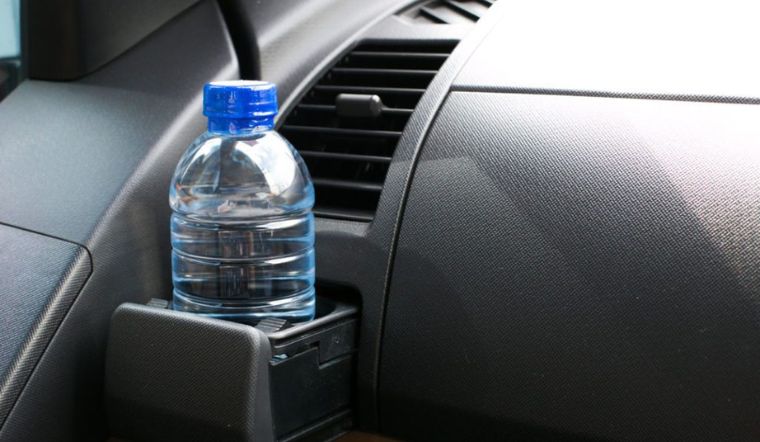
How Hot Cars Become
Many people underestimate how quickly vehicles heat up.
On warm days, temperatures inside parked cars may rise dramatically because sunlight becomes trapped inside the vehicle.
Interior temperatures may climb high enough to:
- Damage electronics
- Melt plastics
- Affect food and beverages
Dark interiors and direct sunlight may increase heat even further.
Why Heat Matters for Plastic Bottles
Most disposable water bottles are made from plastic materials designed for single use.
When exposed to prolonged heat, some people worry that plastic compounds may gradually leach into the water.
Heat may increase:
- Plastic degradation
- Chemical migration
- Changes in taste or odor
Research on this topic continues, and the level of risk may vary depending on:
- Bottle quality
- Temperature
- Exposure duration
Understanding Plastic Bottles
Many disposable bottles are made from:
- PET plastic (polyethylene terephthalate)
PET is widely used because it is:
- Lightweight
- Inexpensive
- Durable
Most food-grade plastic bottles are considered safe for intended use, but repeated heat exposure is generally not recommended.
Changes in Taste and Smell
One of the first things many people notice after leaving water bottles in hot cars is altered taste.
Heated bottles may develop:
- Plastic-like flavors
- Strange odors
- Stale taste
Heat may affect both:
- The bottle material
- The water quality
This does not automatically mean the water is dangerous, but it may indicate material changes occurring.
1. Bacterial Growth Concerns
Opened water bottles may become more vulnerable to bacterial contamination.
When people drink directly from bottles, bacteria from the mouth may enter the container.
Warm temperatures inside cars may create conditions that encourage bacterial growth over time.
This is especially concerning when:
- Bottles are reused repeatedly
- Water remains for several days
- Bottles are partially consumed and stored
Why Moisture and Warmth Matter
Bacteria tend to grow more easily in environments that are:
- Warm
- Moist
- Enclosed
Cars exposed to sunlight may create favorable conditions for microbial growth inside opened containers.
2. Possible Chemical Leaching Concerns
Some studies have examined whether heat exposure may increase the release of tiny amounts of chemicals from plastic into bottled water.
Researchers have discussed compounds such as:
- Antimony
- Microplastics
- Other plastic-related substances
The actual health effects of long-term exposure remain an area of ongoing scientific study.
Many experts still recommend minimizing unnecessary heat exposure when possible.

Microplastics and Public Concern
Microplastics are extremely small plastic particles that may enter:
- Water
- Food
- Air
Researchers continue studying:
- Sources of exposure
- Long-term effects
- Environmental accumulation
Heat and repeated plastic degradation may contribute to increased microplastic release in some situations.
3. Fire Risk Under Certain Conditions
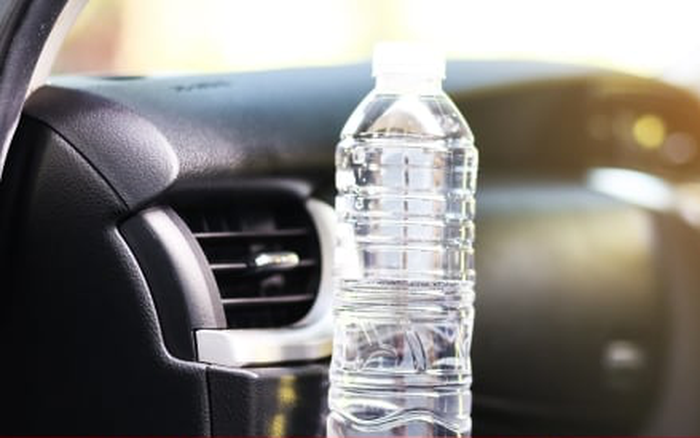
Although uncommon, clear plastic water bottles may sometimes act like small magnifying lenses under direct sunlight.
In rare situations, sunlight focused through a bottle may create enough concentrated heat to:
- Scorch surfaces
- Damage upholstery
- Potentially ignite flammable material
Fire departments have occasionally demonstrated this phenomenon.
The risk is low but possible under specific lighting conditions.
Why Sunlight Can Be Dangerous
Clear water inside transparent bottles may bend and concentrate sunlight similarly to a magnifying glass.
Strong focused light may generate intense heat in a small area.
This risk increases when bottles are:
- Left on seats
- Positioned in direct sunlight
- Near flammable materials
4. Plastic Breakdown Over Time
Repeated exposure to:
- Heat
- Sunlight
- Temperature fluctuations
may weaken plastic bottles over time.
Older bottles may become:
- Softer
- Cracked
- Warped
- More fragile
Damaged bottles are generally less suitable for repeated reuse.
Disposable Bottles vs Reusable Bottles
Disposable bottles are usually designed for:
- Short-term use
Repeated reuse may increase:
- Wear
- Bacterial buildup
- Material breakdown
Reusable bottles made from:
- Stainless steel
- Glass
- BPA-free durable plastics
are often more suitable for long-term daily use.
5. Water Quality May Decline
Even if water remains technically drinkable, prolonged storage in hot conditions may affect:
- Freshness
- Flavor
- Odor
Many people notice warm bottled water tastes unpleasant after sitting inside a vehicle for long periods.
Hydration Still Matters
Despite these concerns, staying hydrated remains extremely important.
Water supports:
- Circulation
- Temperature regulation
- Brain function
- Kidney health
- Digestion
The goal is not to avoid bottled water entirely, but to store it more safely.
Better Alternatives for Car Hydration
Safer hydration strategies may include:
- Insulated stainless-steel bottles
- Cooler storage containers
- Freshly filled reusable bottles
- Keeping water out of direct sunlight
Insulated containers may help maintain cooler temperatures longer.
Why Reusable Bottles Are Popular
Reusable bottles may offer several advantages:
- Reduced plastic waste
- Better temperature control
- Improved durability
- Lower long-term cost
Proper cleaning remains important for hygiene.
Cleaning Reusable Bottles Properly
Reusable bottles should be cleaned regularly to reduce bacterial buildup.
Helpful cleaning habits include:
- Daily rinsing
- Soap and warm water
- Full drying before reuse
Neglected bottles may still develop bacteria regardless of material type.
Food and Beverage Storage in Cars
Water is not the only item affected by hot vehicles.
Heat may also affect:
- Snacks
- Medications
- Supplements
- Electronics
- Cosmetics
Cars are generally poor long-term storage environments for temperature-sensitive items.
Children and Hot Cars
Children are especially vulnerable to dehydration and heat exposure.
Leaving beverages in hot vehicles for children should be avoided whenever possible.
Hydration for children should involve:
- Fresh water
- Proper temperature storage
- Clean containers
Environmental Considerations
Single-use bottled water also contributes to:
- Plastic waste
- Environmental pollution
- Resource consumption
Reusable containers may reduce long-term environmental impact.
Practical Safety Tips
Helpful habits may include:
- Avoid leaving bottles in direct sunlight
- Replace water frequently
- Avoid reusing damaged bottles
- Store bottles in shaded areas
- Use insulated containers when possible
Simple changes may improve both safety and water quality.
What Experts Generally Recommend
Many experts recommend:
- Avoiding prolonged heat exposure
- Using reusable containers
- Replacing old plastic bottles
- Keeping beverages cool when possible
Moderation and common sense remain important.
Final Thoughts
Leaving bottled water inside hot vehicles may create several potential concerns involving heat exposure, bacterial growth, plastic degradation, unpleasant taste changes, and even rare fire hazards under certain conditions. While occasional short-term storage is unlikely to cause major harm, repeatedly storing disposable bottles in overheated cars may not be the safest long-term habit.
Using reusable insulated bottles, replacing water regularly, and minimizing heat exposure may help support safer hydration and reduce unnecessary risks associated with prolonged hot-car storage.