Doctors explain the effects of eating ginger—here’s what you should know
Is ginger as harmless as people think? Doctors weigh in
Facts 30/04/2026 10:50
Many people are unaware that a seemingly harmless habit can significantly increase electricity consumption.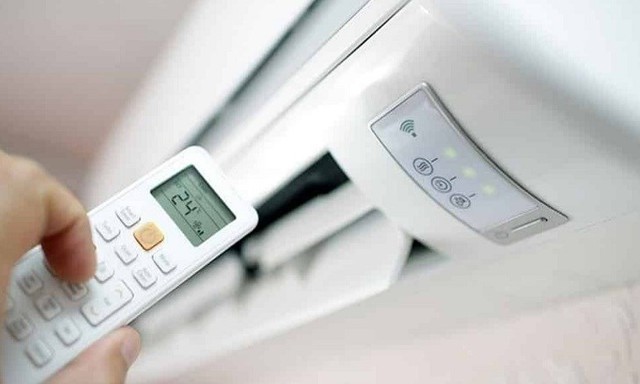
Electricity rates are spiking just as summer hits its peak – a season when fans, air conditioners, and refrigerators are used constantly. That’s why energy-saving methods are now more crucial than ever.
Alongside helpful tips for saving electricity, EVN (Vietnam Electricity) has pointed out in multiple articles that common mistakes in using household electrical appliances can unintentionally cause electricity bills to skyrocket.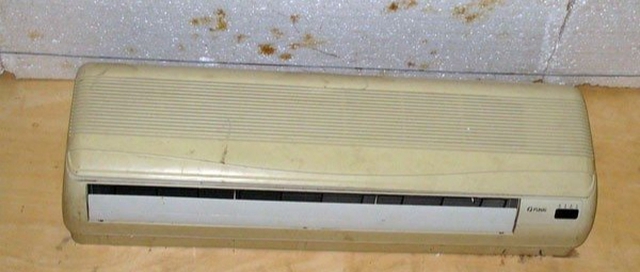
A frequent and widespread mistake found in many households is the constant adjustment of air conditioner settings – especially temperature. Some even mistakenly believe it saves electricity, but in reality, it does the opposite.
According to experienced air conditioning technicians, frequently changing the temperature or switching between different modes forces the unit to operate at high power. This high-power mode consumes significantly more energy than maintaining a stable, consistent setting.
Experts estimate that running the air conditioner at high capacity can use up to three times more electricity than usual. It’s comparable to constantly turning the device off and on within short intervals – another energy-wasting habit.
To save electricity, minimize how often you adjust the air conditioner settings during use. Ideally, turn it on about 15–20 minutes before you need to cool the room, giving it time to run efficiently.
Start with a temperature of 23–24°C to cool the room deeply. After 30–60 minutes, once the unit has stabilized, you can adjust the settings – but avoid making frequent changes within a short time frame.
The best temperature to maintain long-term comfort and energy efficiency is 25–26°C. At night, consider increasing the temperature to 26–28°C, depending on the outside weather conditions.
EVN has also identified several other errors that increase electricity use unnecessarily:
Many people opt for second-hand units to save money, but older machines often run inefficiently, consuming more power due to outdated technology and weaker motors.
Plus, without technical knowledge, buyers may choose units that are too old, unreliable, or even beyond repair. Some models lack replacement parts, making them expensive or unsafe in the long term.
Both the indoor and outdoor units easily collect dust and debris, which reduces cooling performance and increases electricity consumption.
A dirty indoor unit blocks airflow and can even emit unpleasant odors. A clogged outdoor unit, filled with dust or insects, can lead to overheating, breakdowns, or even fires—especially on hot summer days.
To keep your unit efficient, clean the filters regularly, especially during season changes. Full servicing should be done 1–2 times a year depending on usage.
If the indoor unit is mounted too close to the ceiling, it restricts airflow intake, making the system work harder. The recommended distance from the ceiling is 20–30 cm for optimal air circulation.
Many people mistakenly believe using a fan with the air conditioner doubles electricity use. In fact, the opposite is true.
Fans help distribute the cool air more quickly and evenly, making the room feel cooler and more comfortable. Use a low-power standing fan or a misting fan to maintain humidity levels and save energy.
Is ginger as harmless as people think? Doctors weigh in


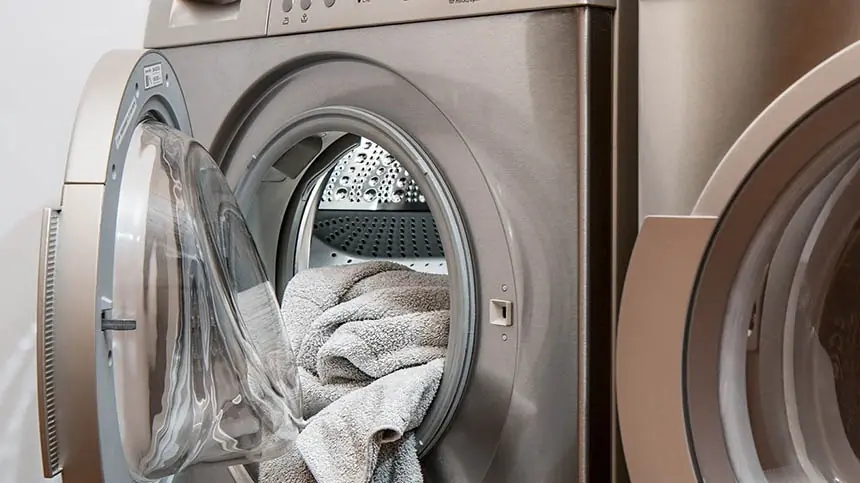
Many people don’t realize this device uses more power than air conditioning

According to Nostradamus, those who own a cat may…

Why cats run away from home and never come back?

This small detail could turn $2 into thousands

You’ve seen this hand gesture a thousand times—but its meaning will surprise you
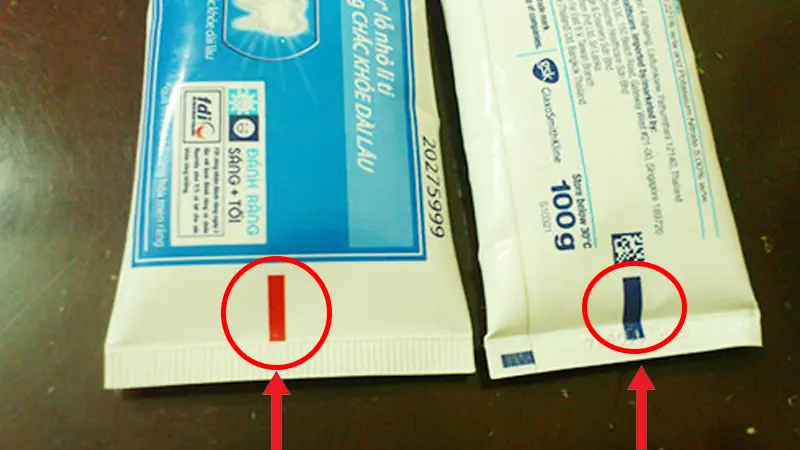
The hidden meaning behind the colored stripe on your toothpaste tube




8 hidden habits that can lead to bad odor in older women, according to doctors

Most People Miss This Sign — A Toad in Your House Isn’t Random

The Hidden Feature on Milk Bottles That Almost Nobody Understands

Small but Powerful—This Spice Is Highly Prized

9 kinds of touch women quietly desire

This Simple Night Habit Is Going Viral

Does Breast Size Reveal Your Hormones? The Truth May Surprise You

A man scratching a woman’s palm could signal something more than it seems

Why eating raw cabbage may not always be a good idea

A stroke may not happen suddenly: 10 warning signs your body gives you

Got a sebaceous cyst? Here’s what might be causing it—and what helps
Is ginger as harmless as people think? Doctors weigh in

The drink that could quietly affect your bone health over time—here’s what you should know

Doctors explain what happens when you eat cucumber in salads—here’s what you should know

Seeing white bumps on your lips or intimate area? Here’s what might be behind

15 reasons avocados deserve a place in your daily diet

5 early signs that could mean you are developing kidney stones

Why do you keep waking up at 3 or 4 a.m.? It might be more about your stress levels and sleep patterns than you think—here’s what’s really going on.

Can Chayote Really Improve Your Health? A Scientific Perspective

A healthy diet can backfire if balance and knowledge are ignored.







Subtle body changes may be early signs you shouldn’t ignore.