If You Get These Bruises on Your Body… Here’s What It Means
Have you ever noticed bruises appearing out of nowhere? Those black-and-blue marks can be unsightly, sometimes painful, and occasionally a sign of an underlying health issue. The medical term for bruising is ecchymosis. It occurs when small blood vessels beneath the skin break, causing blood to pool.
Most bruises result from minor injuries, but some people bruise more easily due to certain health conditions or deficiencies.
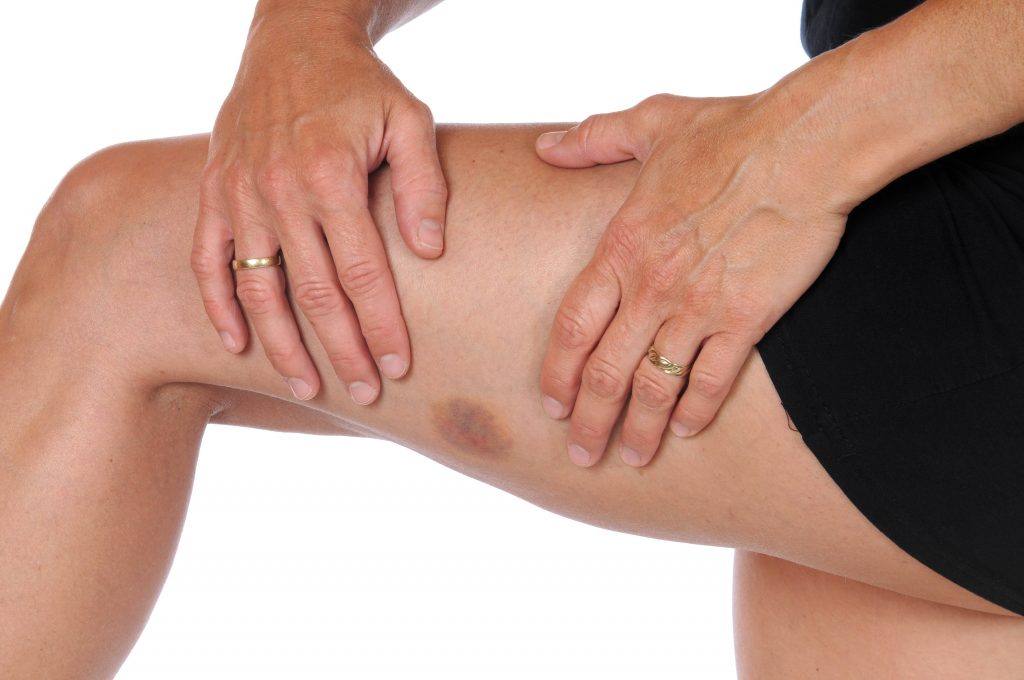
When to Be Concerned
While occasional bruises are normal, you should see a doctor if you notice:
-
Frequent bruising without a clear cause.
-
Bruises that take longer than two weeks to heal.
-
Bruises in unusual areas like your stomach, ears, or genitals.
Causes of Frequent Bruising
-
Vitamin Deficiencies: A lack of certain vitamins can make you more prone to bruising. Vitamin C deficiency can weaken blood vessels, while a lack of Vitamin K can affect blood clotting. Vitamin D and B vitamins can also play a role.
-
Supplements: Certain supplements can thin the blood, making you more likely to bruise. These include ginkgo, ginseng, ginger, garlic, and omega-3 fatty acids. If you suspect your supplements are causing bruising, talk to a doctor before making any changes.
-
Medications: Some medications, such as blood thinners, aspirin, ibuprofen, steroids, and certain antidepressants, can make bruising more likely.
-
Aging: As we age, our skin thins, and our blood vessels become more fragile, which makes bruising more common.
-
Medical Conditions: Frequent bruising can be a symptom of an underlying medical condition, such as diabetes, blood disorders, or blood cancers.
Treating a Bruise
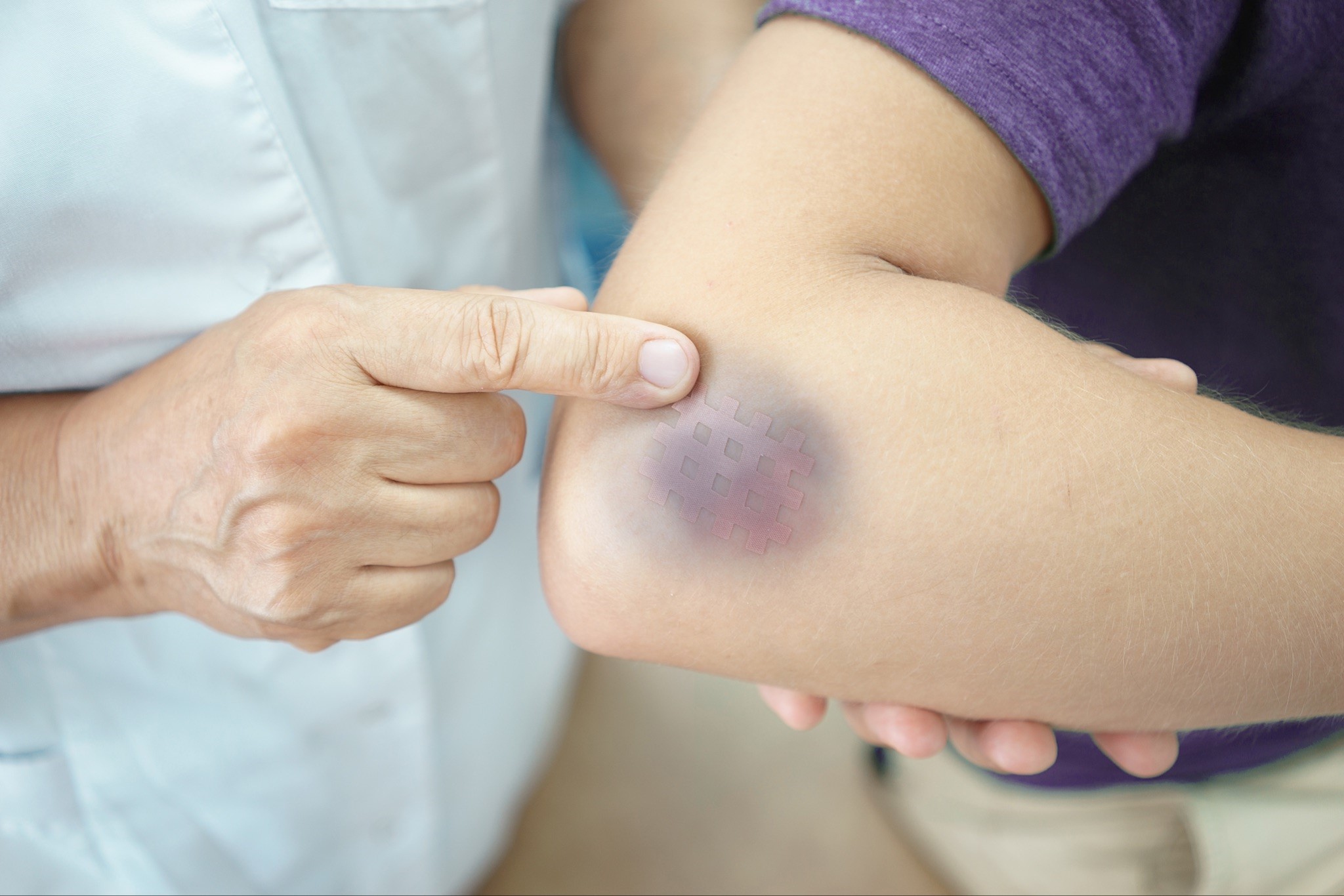
To treat a new bruise, you can use the RICE method:
-
Rest: Avoid straining the bruised area.
-
Ice: Apply an ice pack to reduce swelling.
-
Compression: Use a bandage if needed.
-
Elevation: Keep the area raised to minimize swelling.
After a few days, you can switch to heat therapy by applying a warm compress to help speed up the healing process. You can also use pain relievers like acetaminophen, but avoid aspirin and ibuprofen, as they may worsen bruising.
Final Thoughts

Most bruises heal on their own, but if they don't fade or they keep appearing without a clear cause, you should consult a doctor. Bruising can be a symptom of a more serious health issue, and early detection can help determine the next steps. Taking action early can help you prevent unnecessary bruising and address any underlying concerns.