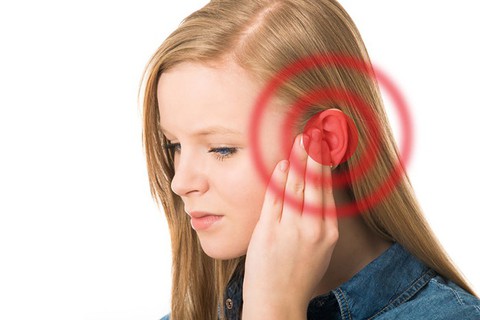
If you hear ringing, buzzing, hissing, or roaring sounds in one or both ears when no external sound is present, you may be experiencing tinnitus.
Tinnitus is not a disease itself, but rather a symptom of an underlying condition—which can vary from minor to more serious health issues.
🧠 Possible Causes of Tinnitus
Tinnitus can develop from a range of causes, including:
-
Age-related hearing loss (presbycusis).
-
Exposure to loud noise (concerts, machinery, headphones at high volume).
-
Earwax buildup that blocks the ear canal.
-
Ear infections or fluid buildup in the middle ear.
-
High blood pressure or poor blood circulation.
-
Certain medications, such as:
-
High doses of aspirin
-
Some antibiotics
-
Diuretics and painkillers
-
-
Stress and anxiety – they don’t cause tinnitus but can intensify its perception.
-
TMJ disorders (issues with the jaw joint).
-
Head or neck injuries affecting nerves or blood flow.
-
Neurological conditions (though rare).
⚠️ What Your Tinnitus May Be Telling You
Depending on the nature and triggers of the ringing, tinnitus might suggest:
-
Chronic tinnitus if the sound is constant, often linked to long-term hearing damage or circulatory issues.
-
If it's accompanied by dizziness and hearing loss, it may indicate Meniere’s disease – a disorder of the inner ear.
-
If it worsens with stress, anxiety, or during quiet moments, it might be linked to mental health or high blood pressure spikes.
-
If it’s pulsating (beats in rhythm with your heart), it could relate to a vascular condition.

✅ What You Should Do
If you notice persistent or worsening tinnitus:
-
Consult an ENT specialist (ear, nose, and throat doctor):
-
They can examine for infections, earwax buildup, or hearing damage.
-
-
Check your blood pressure regularly.
-
Hypertension is a silent contributor to many tinnitus cases.
-
-
Protect your hearing:
-
Use earplugs in noisy environments.
-
Avoid loud music or prolonged headphone use.
-
-
Promote good blood flow:
-
Regular exercise, a balanced diet, and proper hydration support inner ear health.
-
-
Consider sound therapy:
-
Use white noise machines, soft background music, or nature sounds to reduce the contrast of silence and mask the ringing.
-
-
Monitor medication use:
-
Discuss with your doctor whether any prescriptions may be contributing to tinnitus.
-
🚫 Habits to Quit
To prevent or reduce tinnitus symptoms, avoid the following:
-
Using cotton swabs: they can push earwax deeper and cause blockages or injury.
-
Smoking: nicotine restricts blood flow to the ears and impairs healing.
-
Overuse of caffeine and alcohol: both may trigger or worsen tinnitus.
-
Long-term headphone use at high volumes – damages inner ear hair cells.
-
Chronic stress: increases awareness and sensitivity to tinnitus.
-
Skipping sleep or irregular sleep patterns.
🌱 Healthy Habits to Build
Adopt lifestyle changes that support hearing health and reduce tinnitus symptoms:
-
Practice relaxation techniques:
-
Meditation, yoga, deep breathing, or mindfulness can calm the nervous system and lessen tinnitus intensity.
-
-
Eat foods that support ear and nerve health:
-
Leafy greens, citrus fruits, fish rich in omega-3s: improve blood flow.
-
Nuts, seeds, and whole grains: promote nerve repair and function.
-
-
Stay hydrated:
-
Dehydration can affect the inner ear and worsen symptoms.
-
-
Prioritize quality sleep:
-
Poor sleep increases stress and tinnitus sensitivity.
-
-
Do gentle neck and jaw exercises:
-
These may ease muscle tension and pressure affecting the ears.
-
🍽️ Daily Diet Plan to Reduce Tinnitus Symptoms
A healthy diet improves circulation, supports nerve health, and reduces inflammation—all essential for managing tinnitus.
✅ Best Foods to Eat
-
Fruits & Vegetables:
-
Oranges, lemons, spinach, kale, broccoli, carrots
-
-
Omega-3-rich foods:
-
Salmon, sardines, flaxseeds, walnuts, chia seeds
-
-
Whole grains:
-
Oats, brown rice, quinoa (support blood flow)
-
-
Magnesium-rich foods:
-
Pumpkin seeds, bananas, avocados (calm nerve activity)
-
-
Vitamin B12:
-
Eggs, lean meats, dairy, fortified cereals (protect nerve function)
-
-
Anti-inflammatory beverages:
-
Green tea, ginger tea, chamomile
-
🚫 Foods to Avoid
-
Caffeine: coffee, energy drinks, strong tea – overstimulates the nervous system.
-
Excess sodium: canned soups, chips, processed meats – raises blood pressure.
-
Refined sugars and carbs: soda, pastries, white bread – cause inflammation.
-
Alcohol: reduces blood flow to the inner ear.
-
Fried and processed foods: increase oxidative stress and inflammation.
📅 Sample Daily Meal Plan
🌅 Breakfast
-
Warm oatmeal with banana slices & chia seeds
-
1 boiled egg
-
Green tea or warm lemon water
🕙 Mid-Morning Snack
-
A handful of walnuts or pumpkin seeds
-
1 orange or kiwi (Vitamin C boost)
🌞 Lunch
-
Grilled salmon or sardines with a squeeze of lemon
-
Steamed broccoli & carrots
-
Brown rice or quinoa
-
A glass of water
🕒 Afternoon Snack
-
Avocado toast on whole-grain bread
-
Herbal tea (e.g. chamomile or ginger)
🌆 Dinner
-
Lean chicken breast or tofu
-
Stir-fried spinach, kale & garlic
-
Sweet potato
-
Small bowl of mixed berries
🌙 Before Bed
-
Cup of warm chamomile or ginger tea
(Avoid caffeine, alcohol, and heavy meals before sleeping)
📝 Bonus Tips
-
Eat small, balanced meals to avoid blood sugar or blood pressure spikes.
-
Stay hydrated – aim for at least 6–8 cups of water daily.
-
Limit salt to reduce inner ear pressure.
-
Pair a healthy diet with gentle movement, stretching, and stress-reducing activities for best results.
If your tinnitus continues or worsens, seek medical advice. Managing lifestyle factors like diet, stress, and hearing protection can significantly reduce the discomfort and make symptoms more manageable over time.