
20 Surprising Benefits of Garlic for Your Throat You Probably Didn’t Know
20 Incredible Garlic Benefits for Your Throat That Most People Overlook
Health 17/03/2026 16:47
Sleep is one of the most important pillars of health, yet it is often overlooked in modern lifestyles. With busy schedules, late-night screen time, and increasing stress, many people find themselves going to bed later than they should. In response, a common piece of advice has gained popularity: go to sleep before 10 PM for better health.
But how accurate is this claim? Is there real scientific evidence supporting the idea that sleeping before 10 PM is healthier, or is it simply a general guideline?
The truth lies somewhere in between. While going to bed before 10 PM may offer certain benefits, the real key to good health is understanding how sleep timing interacts with the body’s natural rhythms.

The human body operates on a built-in timing system known as the circadian rhythm. This internal clock regulates many biological processes, including sleep, hormone release, body temperature, and metabolism.
The circadian rhythm is heavily influenced by light:
Exposure to daylight signals the body to stay alert
Darkness triggers the release of melatonin, the hormone that promotes sleep
For most people, melatonin production begins in the evening—typically between 8 PM and 10 PM—which naturally prepares the body for sleep.
Going to bed during this window may allow individuals to fall asleep more easily and enter deeper stages of rest.
Recent studies have explored the relationship between sleep timing and overall health. Some findings suggest that going to bed within a certain time frame—often between 10 PM and 11 PM—may be associated with better health outcomes.
For example, research has indicated that:
People who go to bed too late may have a higher risk of cardiovascular issues
Misalignment between sleep timing and circadian rhythms may affect metabolism
Irregular sleep schedules may disrupt hormone balance
However, it is important to note that these findings are often associations, not direct cause-and-effect relationships.
Sleeping earlier may align better with the body’s natural rhythm, allowing for deeper and more restorative sleep.
When sleep occurs during the body’s preferred time window, it may improve:
Sleep efficiency
Time spent in deep sleep
Overall restfulness
Sleep plays a critical role in regulating hormones such as:
Melatonin (sleep hormone)
Cortisol (stress hormone)
Growth hormone
Going to bed earlier may help maintain a healthier balance of these hormones, which can affect mood, metabolism, and energy levels.
Some studies suggest that people who consistently go to bed earlier may have a lower risk of heart-related conditions.
Although more research is needed, maintaining a regular sleep schedule that aligns with natural rhythms may support cardiovascular health.

People who sleep earlier often report feeling more refreshed in the morning. Quality sleep supports:
Memory and learning
Focus and concentration
Emotional stability
Waking up with sufficient rest can improve productivity and overall well-being.
Sleep timing may influence how the body processes food and regulates blood sugar levels.
Disrupted sleep patterns, especially late-night schedules, have been linked to changes in metabolism and increased risk of weight gain.
Despite these potential benefits, sleeping before 10 PM is not a universal rule.
People have different natural sleep preferences, often referred to as chronotypes:
Some individuals naturally feel sleepy earlier (“early birds”)
Others feel more alert later in the evening (“night owls”)
For night owls, forcing an early bedtime may not always result in better sleep if it conflicts with their natural rhythm.
Instead, what matters most is:
Getting 7–9 hours of sleep per night
Maintaining a consistent sleep schedule
Ensuring good sleep quality
While not everyone needs to sleep before 10 PM, consistently staying up very late—especially after midnight—may negatively affect health.
Late sleep patterns can:
Disrupt circadian rhythms
Reduce sleep quality
Increase stress hormone levels
Affect metabolism and energy levels
In the long term, irregular sleep habits may contribute to various health concerns.
For those who want to improve their sleep timing, gradual changes can be helpful.
Some practical strategies include:
Reducing screen exposure before bed
Creating a relaxing nighttime routine
Dimming lights in the evening
Avoiding caffeine late in the day
Going to bed and waking up at the same time each day
These habits can help the body adjust naturally to an earlier sleep schedule.
While going to bed before 10 PM may provide benefits, the most important factor is consistency.
A regular sleep schedule helps the body maintain a stable circadian rhythm, which supports:
Better sleep quality
Improved energy levels
Long-term health
Even if bedtime is slightly later, consistency and sufficient sleep duration remain essential.
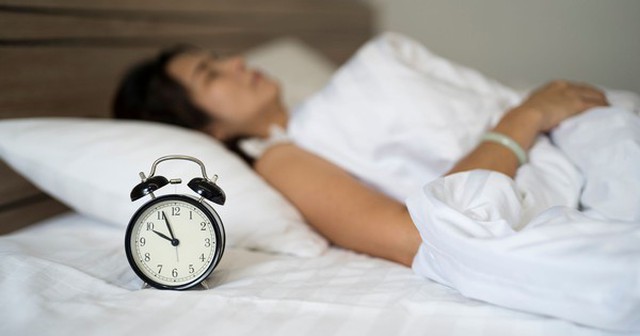
So, is going to bed before 10 PM better for your health?
Research suggests that sleeping earlier - especially within the 10 PM to 11 PM range - may align better with the body’s natural rhythms and support overall health. However, the exact bedtime is less important than maintaining consistent, high-quality sleep.
Ultimately, the goal is not to follow a strict rule, but to develop a sleep routine that allows the body to rest, recover, and function at its best.
In a world that often encourages late nights and constant activity, prioritizing sleep - whether before 10 PM or shortly after may be one of the most powerful choices you can make for your long-term health.
20 Incredible Garlic Benefits for Your Throat That Most People Overlook

Doctors Urge: Avoid These 4 Foods Now - They Could Be Loaded with Para.sites

Daily Banana Consumption: What It Could Do to Your Blo.od Pressure?

He Was Only 21 - Severe Kidney and Heart Failure Caused by a Drink You Probably Consume Too

You Won’t Believe What Cauliflower Can Do to Your Body
These 5 recurring symptoms could be warning signs of dia.betes

You’ve Had These Ear Signs — But Did You Know What They Mean?
Lym.phoma: Early Warning Signs Many Survivors Overlooked
If You Notice These Symptoms, It Could Be Cervical Disc Herniation

Before You Eat Tilapia Again, You May Want to Read This

7 Reasons Lemon Water Is Good for Your Health

Most People Don’t Realize These 7 Pig Parts Should Be Eaten in Moderation
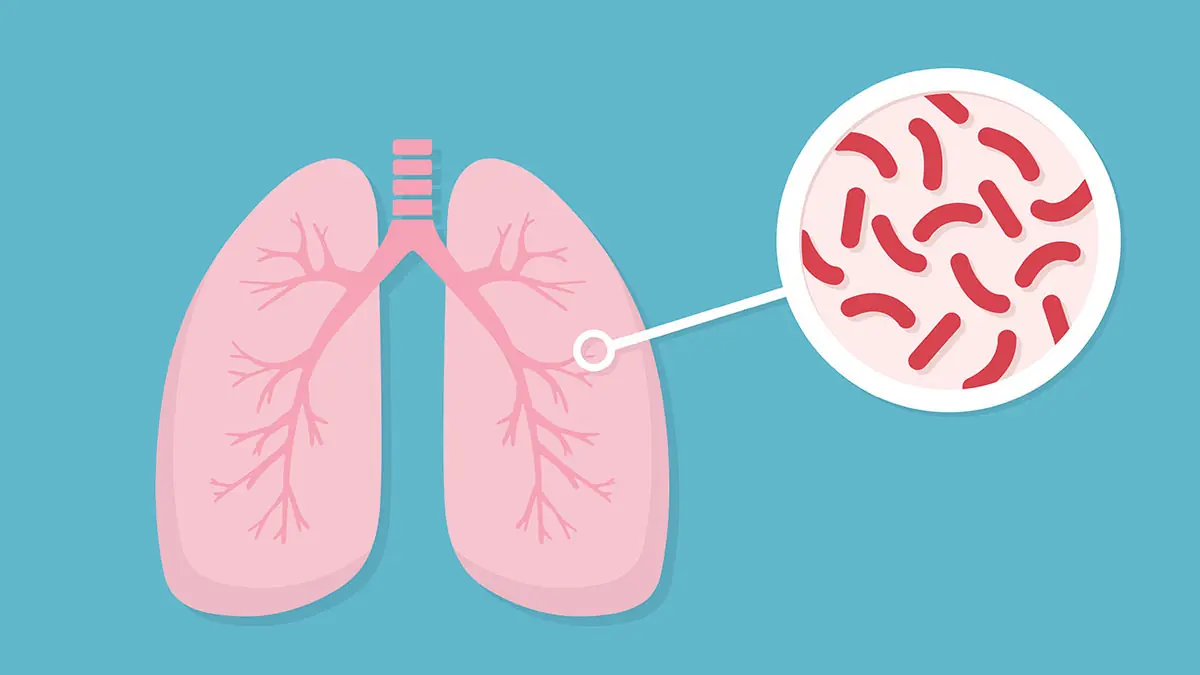
A common sign most people overlook revealed tuber.culosis in a healthy 22-year-old man

The Truth Behind Why Raw Fish in Japan Is Considered Safe

15 potential early indicators of can.cer you should not ignore

People Are Just Realizing What Those Little White Dots on Strawberries Mean

Vermicelli and Diabetes: 5 Hidden Benefits and How to Eat It Without Spiking Blood Sugar

5 Natural Approaches to Help Regulate Blo.od Sugar for Dia.betics

Safety Experts Share Warning for People Cooking With Air Fryers
Doctors Urge: Avoid These 4 Foods Now - They Could Be Loaded with Para.sites
Daily Banana Consumption: What It Could Do to Your Blo.od Pressure?

3 Types of Shirts You Should Avoid Wearing to a Funeral
He Was Only 21 - Severe Kidney and Heart Failure Caused by a Drink You Probably Consume Too
You Won’t Believe What Cauliflower Can Do to Your Body

Why Do You Drool in Your Sleep? 6 Hidden Conditions You Shouldn’t Ignore
These 5 recurring symptoms could be warning signs of dia.betes
You’ve Had These Ear Signs — But Did You Know What They Mean?
Lym.phoma: Early Warning Signs Many Survivors Overlooked
If You Notice These Symptoms, It Could Be Cervical Disc Herniation

This Man Eats Eggs Every Day — What It Did to His Body Is Unexpected
Before You Eat Tilapia Again, You May Want to Read This

Before Cooking Eggplant Again, You Might Want to Read This
7 Reasons Lemon Water Is Good for Your Health
Most People Don’t Realize These 7 Pig Parts Should Be Eaten in Moderation
A common sign most people overlook revealed tuber.culosis in a healthy 22-year-old man

6 plants that may attract snakes to your home and 4 that may help keep them away
The Truth Behind Why Raw Fish in Japan Is Considered Safe

The Hidden Benefits of Using Toothpaste and Salt Around the Home