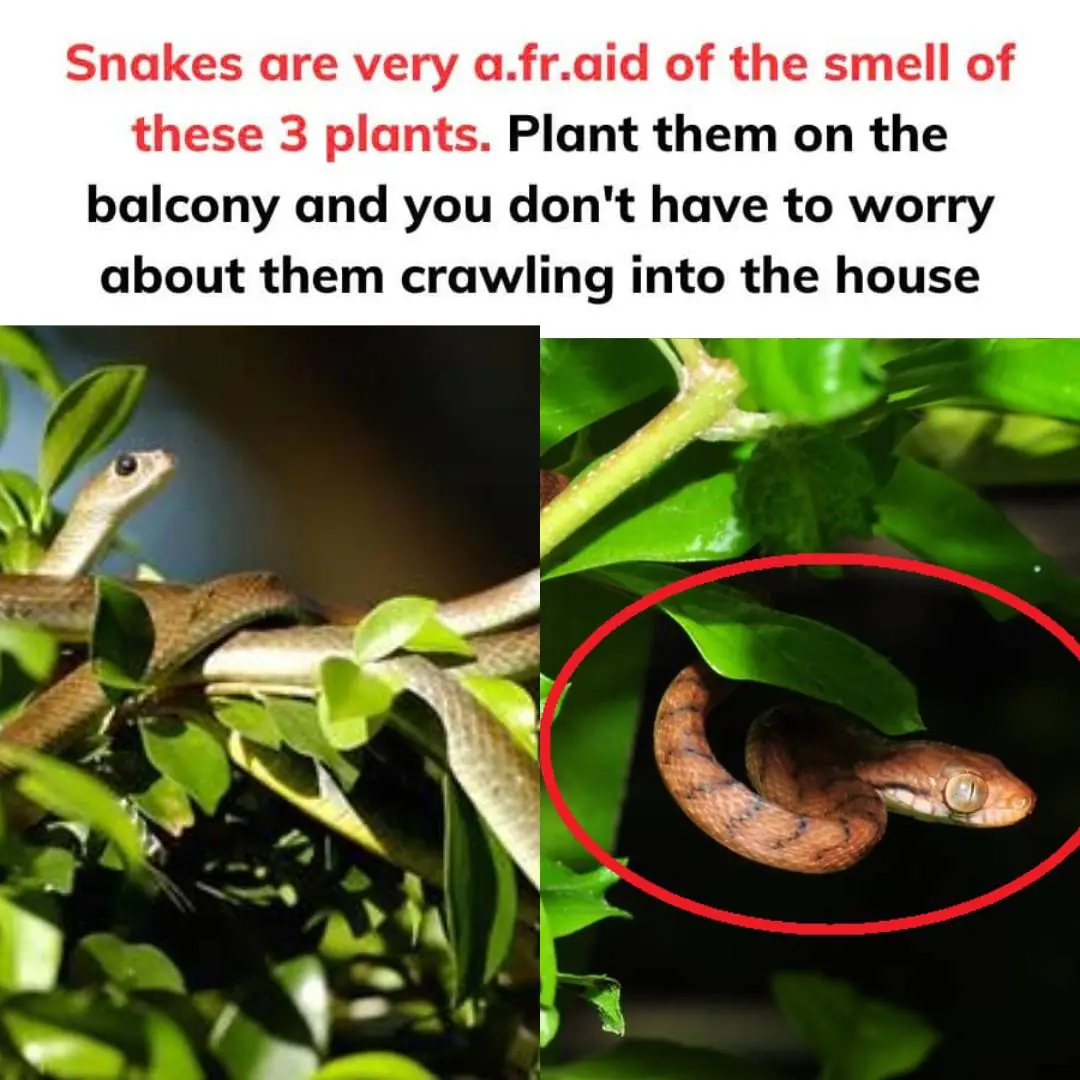
Various plants have been traditionally claimed to repel snakes. Here are three popular examples:
-
Lemongrass (Cymbopogon citratus): Lemongrass is often cited as a snake-repelling plant due to its strong citrus aroma. The scent of lemongrass contains essential oils like citronella, which some believe are unpleasant to snakes. Additionally, lemongrass grows tall and dense, creating a natural barrier that snakes may avoid.
-
Marigold (Tagetes): Marigolds are known for their bright flowers and strong scent. Some people believe that their roots release a chemical that repels snakes and other pests. Marigolds also attract beneficial insects while deterring harmful ones, making them a popular choice in gardens.
-
Mother-in-Law's Tongue (Sansevieria trifasciata): Also known as snake plant, this species is named ironically considering its alleged ability to repel snakes. Its sharp, upright leaves and bitter smell are thought to discourage snakes from slithering near.
Scientific Evidence vs. Traditional Beliefs
While the belief in snake-repelling plants is widespread, scientific evidence supporting these claims is limited. Most snakes are unlikely to be deterred by plants alone unless the plants create physical barriers or disrupt the environment in other ways, such as reducing prey availability.
For instance:
- Physical barriers: Dense foliage like that of lemongrass might discourage snakes by making it harder for them to move through an area.
- Prey reduction: Certain plants may repel insects or rodents, indirectly making the area less attractive to snakes by eliminating their food sources.
However, the notion that the smell of plants directly repels snakes remains largely anecdotal. Snakes do not have a strong aversion to most natural scents, as their olfactory system is more attuned to detecting prey and environmental changes.
Practical Measures to Keep Snakes Away
While planting certain plants may contribute to an overall strategy for keeping snakes at bay, it is not a foolproof solution. Here are some additional measures that are scientifically backed:
-
Eliminate Food Sources: Snakes are attracted to areas with abundant food, such as rodents, frogs, or insects. Reducing these populations around your home can discourage snake activity.
-
Maintain Clean Surroundings: Snakes are less likely to inhabit well-maintained areas with minimal hiding spots. Keep your garden free of debris, tall grass, and woodpiles.
-
Seal Entry Points: Prevent snakes from entering your home by sealing cracks, gaps, and other potential entry points in walls and doors.
-
Use Snake Repellents: Some commercially available snake repellents are formulated with chemicals or natural compounds designed to deter snakes. Always use these products according to the manufacturer’s instructions.
-
Seek Professional Help: If you encounter frequent snake problems, consider consulting wildlife control experts who can assess your property and provide effective solutions.
Cultural and Psychological Perspectives
The belief in snake-repelling plants may also stem from cultural traditions and psychological comfort. For centuries, humans have sought natural remedies to coexist with wildlife, often turning to plants with strong scents or symbolic meanings. These practices provide a sense of control and reassurance, even if their efficacy is not scientifically proven.
For example, in some cultures, marigolds are associated with protection and warding off evil, which might extend to their use as snake deterrents. Similarly, the sharp, upright leaves of mother-in-law’s tongue might be seen as a symbolic “barrier” against intruders.
Ethical Considerations
While keeping snakes away from human habitats is a reasonable goal, it is essential to approach the issue ethically. Snakes are an integral part of ecosystems, controlling populations of pests like rodents and insects. Unnecessary harm to snakes can disrupt ecological balance and lead to unintended consequences.
If you encounter a snake, avoid killing it unless it poses an immediate threat. Instead, contact local wildlife authorities or experts who can safely relocate the animal.
Conclusion
The idea of using plants to repel snakes is an intriguing blend of science, tradition, and psychology. While certain plants may contribute to creating an environment less appealing to snakes, there is little concrete evidence to suggest that their smell alone is enough to deter these reptiles. For effective snake management, it is best to combine multiple strategies, including habitat modification, cleanliness, and professional advice.
Ultimately, the key is to strike a balance between ensuring safety and respecting the ecological role of snakes. By understanding their behavior and adopting humane practices, we can coexist peacefully with these misunderstood creatures.