Our skin constantly reflects what is happening inside the body. From dryness and discoloration to sudden spots and rashes, visible changes can serve as subtle clues about overall health. Among these changes, small red dots appearing on the skin are particularly common. Though often harmless, they can raise concern and curiosity when they appear suddenly or multiply over time.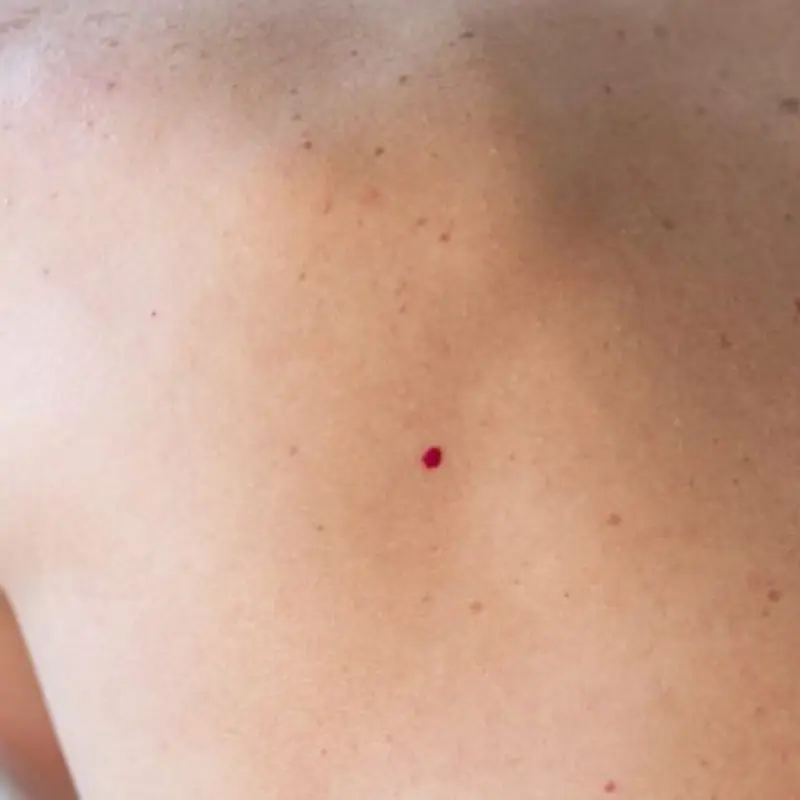
Red dots on the skin can vary in size, color intensity, and texture. Some are flat and barely noticeable, while others may be slightly raised or clustered. Understanding the possible causes of these spots can help determine whether they are simply cosmetic or worth a closer look.
One of the most common causes of red dots is minor skin irritation. Friction from tight clothing, shaving, or exposure to certain fabrics and detergents can trigger small inflamed spots. These usually fade on their own once the skin has time to heal and the source of irritation is removed. Switching to gentler skincare products and wearing breathable fabrics can often prevent recurrence.
Allergic reactions are another frequent explanation. When the skin comes into contact with allergens such as certain cosmetics, soaps, or even foods, the immune system may respond with redness, itching, and small bumps. In these cases, red dots may appear alongside mild swelling or discomfort. Identifying the triggering substance and avoiding it is key to preventing further outbreaks.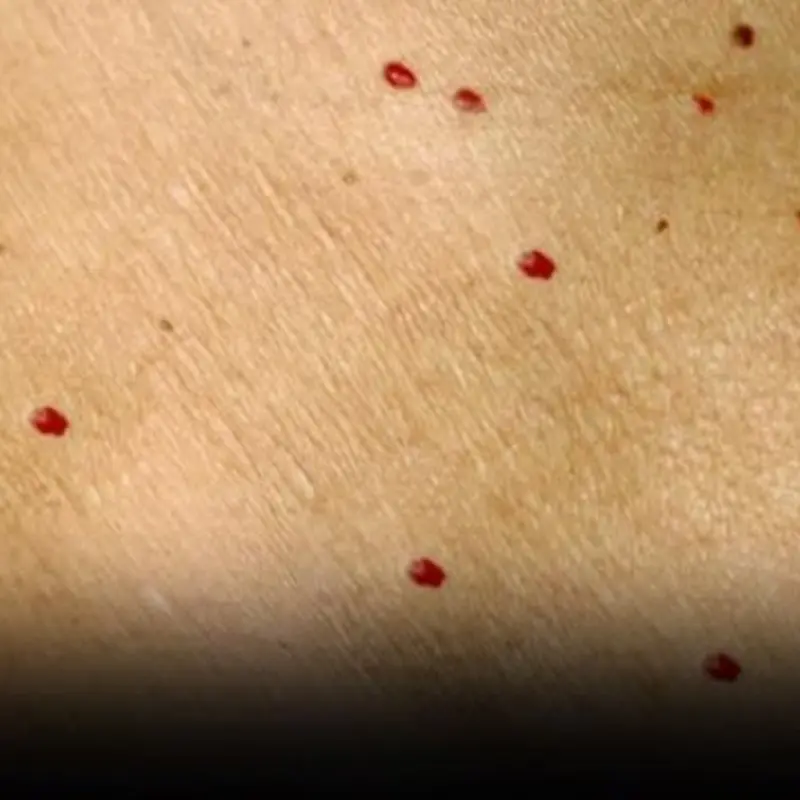
Insect bites can also cause clusters of red spots. Mosquitoes, fleas, and other insects often leave small red marks that may itch or become slightly raised. These spots usually resolve within a few days, though scratching can prolong healing. Keeping skin clean and using soothing lotions can help reduce irritation.
Heat and sweat can contribute to red dots as well. During hot weather or intense physical activity, sweat glands can become blocked, leading to heat rash. This condition often produces tiny red spots that may feel prickly or uncomfortable. Staying cool, wearing loose clothing, and keeping the skin dry can help prevent heat-related skin reactions.
Sometimes, red dots appear due to small blood vessel changes under the skin. These spots, often called cherry angiomas, are typically harmless and become more common with age. They usually appear as bright red, round marks that do not itch or cause pain. While they may increase in number over time, they rarely require treatment unless for cosmetic reasons.
Another possibility involves tiny pinpoint spots that occur when small blood vessels break under the skin. These can appear after intense coughing, heavy lifting, or minor injury. In most cases, they fade naturally. However, if such spots appear frequently without a clear cause, it may be helpful to monitor for other symptoms and seek professional advice if necessary.
Lifestyle factors can also influence skin health. Stress, lack of sleep, and poor hydration may weaken the skin’s natural barrier, making it more prone to irritation and inflammation. Maintaining a balanced diet rich in vitamins, staying hydrated, and managing stress can support healthier skin and reduce the likelihood of unexplained spots.
Although many red dots on the skin are harmless, certain signs should not be ignored. Spots that rapidly increase in number, change in size or color, bleed easily, or appear alongside other symptoms like fatigue or fever may require medical attention. Early evaluation can help rule out underlying conditions and provide peace of mind.
Caring for your skin begins with awareness. Gentle cleansing, regular moisturizing, sun protection, and attention to any unusual changes can make a significant difference. By noticing patterns and responding early, you can better understand what your skin is trying to communicate.
Red dots may seem small, but they can carry important messages about your body. Listening to these signals allows you to take proactive steps toward maintaining both skin health and overall well-being.