Our skin is more than just a protective outer layer — it is one of the body’s most sensitive communication systems. Changes in skin texture, color, or sensation often reflect internal processes that may otherwise go unnoticed. Persistent itching and the sudden appearance of unusual bumps are two common symptoms many people ignore. Yet these signs may indicate that something deeper is happening inside the body.
Itching, medically known as pruritus, is a sensation that triggers the urge to scratch. While occasional itching is usually harmless and often linked to dry skin or insect bites, chronic itching that persists for weeks or months can be a signal worth investigating. When accompanied by raised bumps, rashes, or changes in skin texture, the body may be trying to draw attention to an underlying issue.
One of the most common causes of persistent itching is skin irritation or allergic reactions. Contact with certain fabrics, soaps, detergents, or skincare products can lead to inflammation and small raised bumps. In these cases, identifying and eliminating the irritant often resolves the problem. However, when itching continues despite lifestyle adjustments, it may be time to look beyond surface-level causes.
Skin conditions such as eczema, psoriasis, and dermatitis frequently present with itching and visible bumps or patches. These conditions are linked to inflammation and immune system responses. Eczema, for example, can cause dry, scaly skin and intense itching that worsens at night. Psoriasis may produce thick, red patches covered with silvery scales. While these conditions are usually manageable, early attention can help prevent discomfort from escalating.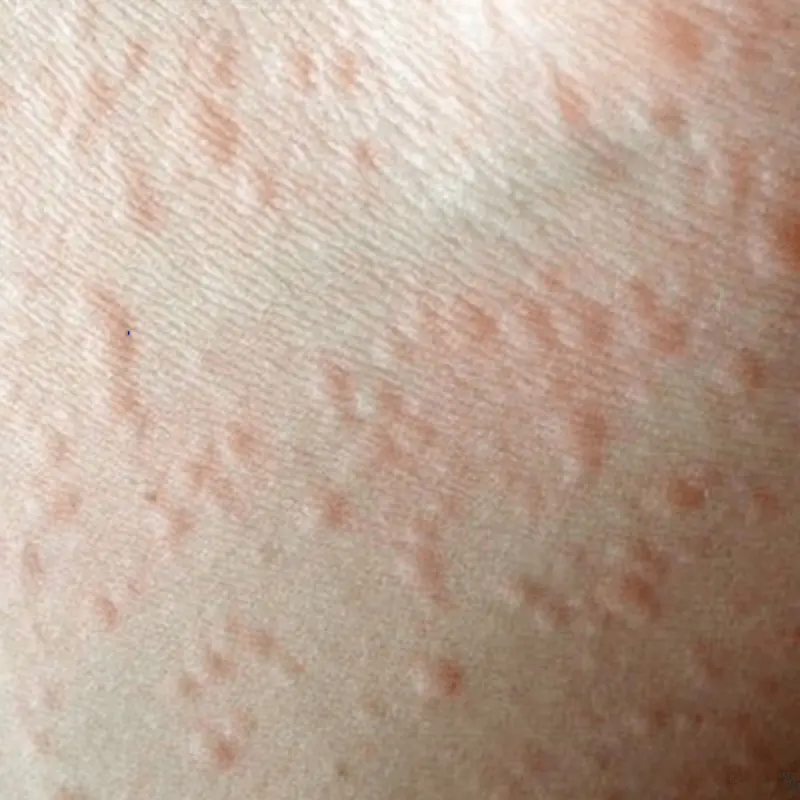
In some instances, persistent itching without a clear external cause may be associated with internal health concerns. Liver or kidney imbalances, thyroid disorders, and certain metabolic conditions can affect the skin. When the body struggles to filter toxins or maintain hormonal balance, the skin sometimes becomes a channel for these disruptions to surface. Though these cases are less common, they highlight the importance of paying attention to ongoing symptoms.
Stress and emotional well-being also play a role in skin health. Chronic stress can trigger inflammation and disrupt the immune system, leading to itching and unexplained skin reactions. Many people notice flare-ups of skin sensitivity during periods of anxiety or fatigue. In these situations, addressing stress through rest, exercise, and relaxation techniques may help improve symptoms.
Environmental factors can contribute as well. Changes in weather, humidity levels, or prolonged exposure to heat can irritate the skin. Dry indoor air, especially during colder months, often leads to dehydration of the skin barrier, causing itchiness and small bumps. Staying hydrated and using gentle moisturizers can help restore balance.
Although many causes of itching and skin bumps are mild, it is important not to ignore symptoms that persist or worsen. Warning signs that may require professional evaluation include severe itching that interferes with sleep, rapid spreading of bumps, bleeding from scratching, or skin changes accompanied by fatigue or unexplained weight changes. These signs do not necessarily indicate serious illness, but they do suggest that the body needs closer attention.
Maintaining healthy skin starts with simple habits. Gentle cleansing, avoiding harsh chemicals, staying hydrated, and protecting the skin from extreme temperatures can all reduce irritation. Wearing breathable fabrics and maintaining a balanced diet rich in vitamins and antioxidants also supports skin resilience. Most importantly, listening to your body and noticing patterns in your symptoms can provide valuable clues.