Many people believe strokes only happen to older adults, but medical experts increasingly warn that strokes can also affect:
- Teenagers
- Young adults
- Middle-aged individuals
Although age remains one of the biggest stroke risk factors, younger people are not immune. In recent years, doctors have observed growing concern about stroke risk in younger populations due to factors such as:
- High blood pressure
- Smoking
- Obesity
- Diabetes
- Stress
- Poor sleep
- Sedentary lifestyle
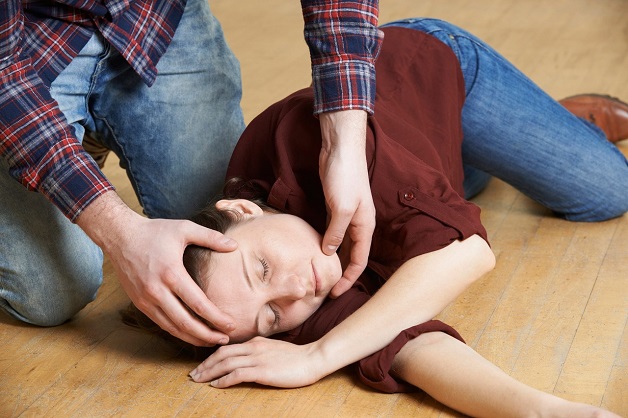
A stroke is a medical emergency that occurs when blood flow to part of the brain becomes blocked or when a blood vessel in the brain ruptures. Without adequate oxygen, brain cells may begin to die within minutes.
Recognizing early warning signs quickly is extremely important because fast medical treatment may help reduce:
- Brain damage
- Long-term disability
- Life-threatening complications
Understanding that stroke can happen at almost any age may help people respond faster when symptoms appear.
What Is a Stroke?
A stroke occurs when the brain’s blood supply becomes disrupted.
The two major types include:
- Ischemic stroke
- Hemorrhagic stroke
Ischemic Stroke
This is the most common type.
It occurs when:
- A blood clot blocks blood flow to part of the brain
Without oxygen and nutrients, brain tissue may become damaged rapidly.
Hemorrhagic Stroke
This occurs when:
- A blood vessel ruptures and bleeds into the brain
Bleeding may increase pressure inside the skull and damage nearby brain tissue.
Why Strokes Are Medical Emergencies
Brain cells are extremely sensitive to oxygen loss.
Fast medical treatment may help:
- Restore blood flow
- Limit brain injury
- Improve recovery chances
Every minute matters during a stroke emergency.
Why Younger People May Experience Stroke
Although strokes are more common with aging, younger individuals may still face risks from:
- High blood pressure
- Smoking
- Drug use
- Heart conditions
- Obesity
- Diabetes
- Genetic disorders
- Hormonal factors
Lifestyle changes and rising chronic disease rates may contribute to increased risk.
Stroke Symptoms May Be Mistaken for Something Else
In younger people, stroke symptoms are sometimes mistaken for:
- Migraine
- Fatigue
- Anxiety
- Stress
- Dehydration
This may delay emergency treatment.
Recognizing possible warning signs is extremely important.
1. Sudden Severe Headache
One important warning sign may involve:
- Sudden intense headache
especially if it feels:
- Unusual
- Explosive
- Different from previous headaches
Why Sudden Headaches Matter
A sudden severe headache may sometimes occur with:
- Bleeding in the brain
- Blood vessel problems
- Neurological emergencies
Emergency evaluation becomes important when headaches appear suddenly with other symptoms.
Headaches and Stroke Are Not Always Connected
Most headaches are NOT strokes.
However, headaches combined with:
- Weakness
- Confusion
- Vision problems
- Numbness
require urgent medical attention.
2. Sudden Weakness or Numbness
One of the most classic stroke warning signs is:
- Sudden weakness
especially affecting:
- One side of the body
- Face
- Arm
- Leg
Facial Drooping
Stroke may cause:
- One side of the face to droop
A person may have difficulty:
- Smiling evenly
- Raising both sides of the mouth
This is one reason emergency responders use the:
- FAST test

The FAST Stroke Warning Method
FAST stands for:
- Face drooping
- Arm weakness
- Speech difficulty
- Time to call emergency services
This simple method helps identify possible stroke symptoms quickly.
3. Difficulty Speaking or Understanding Speech
A stroke may affect brain regions responsible for:
- Language
- Communication
- Speech coordination
Possible symptoms include:
- Slurred speech
- Confusion
- Difficulty finding words
- Trouble understanding conversation
Why Speech Changes Are Important
Sudden speech problems should never be ignored, especially if they appear with:
- Weakness
- Vision changes
- Dizziness
- Severe headache
Brain Function Depends on Blood Flow
Different brain areas control:
- Speech
- Movement
- Memory
- Vision
- Coordination
Blood flow interruption may affect whichever brain region is involved.
4. Sudden Vision Problems
Stroke may sometimes affect:
- Vision
Possible symptoms include:
- Blurred vision
- Double vision
- Partial vision loss
- Sudden blindness in one eye
Why Vision Changes Occur
The brain processes visual information using specialized regions supplied by blood vessels.
Reduced blood flow may disrupt normal visual processing.
Temporary Symptoms Can Still Be Dangerous
Some stroke-like symptoms may temporarily disappear.
This may occur with:
- Transient ischemic attacks (TIAs)
sometimes called:
- “Mini-strokes”
TIAs still require urgent medical attention because they may warn of future stroke risk.
5. Sudden Dizziness or Loss of Balance
A stroke may sometimes affect:
- Coordination
- Balance
- Walking ability
Possible symptoms include:
- Sudden dizziness
- Difficulty walking
- Loss of coordination
- Sudden falls
Why Balance Symptoms Matter
The brain controls:
- Balance
- Spatial awareness
- Movement coordination
Disruption in certain brain areas may produce sudden instability.
Other Possible Stroke Symptoms
Additional warning signs may include:
- Confusion
- Severe fatigue
- Sudden nausea
- Difficulty swallowing
- Sudden behavioral changes
Symptoms vary depending on the brain area involved.
High Blood Pressure Is a Major Risk Factor
One of the strongest stroke risk factors is:
- High blood pressure
Uncontrolled hypertension may damage:
- Blood vessels
- Brain circulation
- Arteries
over time.
Smoking and Stroke Risk
Smoking may increase stroke risk by affecting:
- Blood vessels
- Oxygen delivery
- Clot formation
- Blood pressure
Long-term smoking significantly affects cardiovascular health.
Obesity and Metabolic Health
Conditions such as:
- Obesity
- Diabetes
- High cholesterol
may increase stroke risk by affecting blood vessels and circulation.
Sleep and Stroke Risk
Poor sleep and untreated sleep apnea may contribute to:
- High blood pressure
- Inflammation
- Cardiovascular strain
Sleep health plays an important role in overall brain and vascular wellness.
Why Fast Treatment Matters
Certain stroke treatments work best when given:
- Very early
Delayed treatment may increase:
- Brain injury
- Long-term disability
- Recovery difficulty
Never Ignore Sudden Neurological Symptoms
Symptoms that appear:
- Suddenly
- Intensely
- Unusually
should never be dismissed as simple fatigue or stress without evaluation.
Healthy Habits That May Help Reduce Stroke Risk
Helpful long-term habits may include:
- Managing blood pressure
- Exercising regularly
- Avoiding smoking
- Maintaining healthy weight
- Sleeping adequately
- Eating balanced meals
Prevention matters greatly.
The Brain Needs Healthy Blood Vessels
Brain health depends heavily on:
- Blood flow
- Oxygen delivery
- Vascular health
Conditions affecting blood vessels may increase stroke risk over time.
Young Adults Often Delay Care
Younger individuals may delay medical attention because they:
- Feel “too young” for stroke
- Assume symptoms are harmless
- Ignore warning signs
Unfortunately, delays may worsen outcomes.
Emergency Symptoms Require Immediate Action
Emergency medical care is important for:
- Sudden weakness
- Facial drooping
- Speech difficulty
- Vision loss
- Severe headache
- Sudden confusion
Calling emergency services quickly may save brain function and life.
Final Thoughts
Stroke can affect younger people too, and recognizing warning signs early may help improve outcomes and reduce complications. Symptoms such as sudden severe headache, weakness on one side of the body, speech difficulty, vision changes, and sudden dizziness should never be ignored.
Although many symptoms may also have non-stroke causes, sudden neurological changes always deserve urgent medical evaluation. Understanding stroke risk factors and responding quickly to possible warning signs may help protect brain health and potentially save lives.