Gallbladder cancer is considered one of the less common forms of cancer, but it can also be one of the most dangerous because its symptoms are often subtle in the early stages. Many people mistake the warning signs for common digestive problems, gallstones, or temporary stomach discomfort. As a result, the disease is frequently discovered late, when treatment becomes more difficult.
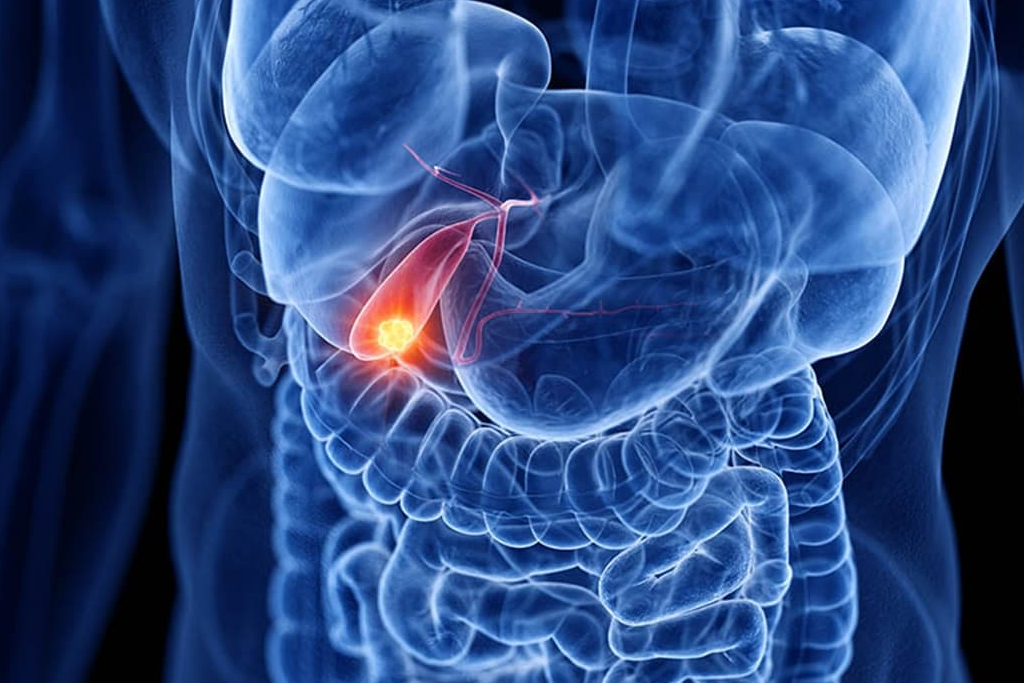
The gallbladder is a small organ located beneath the liver. Its main role is to store bile, a digestive fluid that helps break down fats. When cancer develops in this organ, it may progress quietly for months without causing obvious symptoms. However, the body often sends subtle signals that should not be ignored.
Here are 6 quiet warning signs that could indicate gallbladder cancer.
1. Persistent Pain in the Upper Right Abdomen
One of the earliest and most common symptoms is discomfort or pain in the upper right side of the abdomen, just beneath the ribs. At first, the pain may come and go, making it easy to dismiss as indigestion, muscle strain, or gallstones.
As the disease progresses, the pain may become more constant or intense. Some people describe it as a dull ache, while others experience sharp pain that radiates toward the back or shoulder blade. The discomfort may worsen after eating fatty meals because the gallbladder is involved in digestion.
Although abdominal pain does not automatically mean cancer, persistent or unexplained pain lasting for weeks should always be evaluated by a healthcare professional.
2. Unexplained Weight Loss
Sudden or unintentional weight loss can be a warning sign of many serious illnesses, including gallbladder cancer. Cancer cells often alter the body’s metabolism and may reduce appetite, making it difficult to maintain normal body weight.
Some individuals notice they are losing weight even though they have not changed their diet or exercise habits. Others may feel full quickly after eating small amounts of food.
Weight loss associated with cancer is usually gradual but continuous. When combined with fatigue, abdominal discomfort, or digestive changes, it becomes even more important to seek medical advice.
3. Jaundice (Yellowing of the Skin and Eyes)
Jaundice is one of the more noticeable symptoms of gallbladder cancer, especially when the tumor blocks the bile ducts. Bile normally flows from the liver and gallbladder into the intestines. If this pathway becomes blocked, bilirubin builds up in the bloodstream.
This can cause:
- Yellowing of the skin
- Yellowing of the whites of the eyes
- Dark urine
- Pale or clay-colored stools
- Itchy skin
Many people first notice the yellow tint in their eyes before it becomes visible on the skin. Jaundice should never be ignored because it may indicate a serious liver, bile duct, or gallbladder problem requiring immediate medical attention.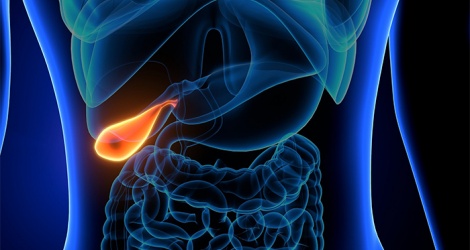
4. Nausea and Ongoing Digestive Problems
Digestive symptoms are extremely common and are often linked to stress, poor diet, or minor stomach illnesses. However, persistent nausea, bloating, and digestive discomfort can sometimes be associated with gallbladder disease or cancer.
People with gallbladder cancer may experience:
- Frequent nausea
- Vomiting
- Feeling bloated after meals
- Loss of appetite
- Difficulty digesting fatty foods
These symptoms can easily mimic conditions like acid reflux, gastritis, or gallstones. The difference is that the symptoms tend to persist or gradually worsen over time rather than improve.
When digestive problems become chronic or interfere with daily life, medical evaluation is important.
5. A Lump or Swelling in the Abdomen
As gallbladder cancer grows, it may cause swelling or a noticeable mass in the upper abdomen. This can happen if the gallbladder becomes enlarged due to blocked bile ducts or tumor growth.
Some people may feel:
- A hard lump beneath the ribs
- Tightness or pressure in the abdomen
- Abdominal swelling that does not go away
In some cases, the enlargement is only detected during a medical examination or imaging scan. However, visible swelling combined with pain or jaundice can be a significant warning sign.
6. Constant Fatigue and Weakness
Extreme tiredness that does not improve with rest may also occur in people with gallbladder cancer. Cancer can place enormous stress on the body, leading to persistent fatigue, weakness, and low energy levels.
This type of fatigue is different from ordinary tiredness. Some individuals describe feeling exhausted even after sleeping well or performing simple daily tasks.
Fatigue may occur because the body is fighting disease, because of poor nutrition, or due to liver and digestive complications associated with the cancer.
Who Is Most at Risk?
Although gallbladder cancer is relatively rare, certain factors may increase the risk, including:
- Gallstones
- Chronic inflammation of the gallbladder
- Obesity
- Older age
- Family history of gallbladder disease
- Smoking
- Certain bile duct abnormalities
Women are also diagnosed more often than men, partly because gallstones are more common in women.
Why Early Detection Matters
Gallbladder cancer is often difficult to detect early because many symptoms resemble common digestive disorders. Unfortunately, the disease may already be advanced by the time stronger symptoms appear.
Early diagnosis can improve treatment options and outcomes. Doctors may use imaging tests such as ultrasound, CT scans, MRI scans, or blood tests to investigate suspicious symptoms.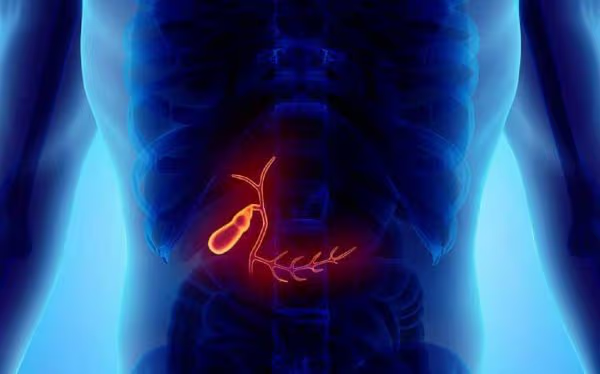
Final Thoughts
Most cases of abdominal pain, nausea, or fatigue are not caused by cancer. However, symptoms that persist, worsen, or appear together should never be ignored. The body often sends quiet warning signals long before a serious illness is diagnosed.
Paying attention to ongoing digestive changes, unexplained weight loss, jaundice, or persistent abdominal discomfort may help detect gallbladder cancer earlier, when treatment has the best chance of success.
This article is for informational purposes only and should not replace professional medical advice, diagnosis, or treatment.