
A Small Lump in These Areas of Your Body Could Be Trying to Tell You Something
💡 Noticed a Lump in One of These Spots? Your Body May Be Sending a Signal
Health 24/06/2026 08:52
Is Eating Beef Every Day Really Good for You? Experts Warn These 5 Groups Should Be Careful
Beef has long been considered one of the most nutritious and protein-rich foods in many households. From steak and beef stew to hotpot and stir-fried dishes, beef is often associated with strength, muscle growth, and recovery after illness.
Rich in:
beef can provide important nutrients for the body when consumed in moderation. According to health experts, lean beef may support muscle maintenance, energy production, and overall nutrition.
However, doctors and nutrition specialists warn that eating beef too frequently or in excessive amounts may not be suitable for everyone — especially people with certain underlying health conditions.
Experts say people with gout should be especially careful with beef consumption because beef contains relatively high levels of purines.
When purines break down in the body, they produce uric acid. Excess uric acid may trigger painful gout attacks, joint inflammation, and swelling.
Doctors warn that:
may contain even higher concentrations of dissolved purines.
Health experts recommend moderation rather than complete avoidance, especially during active gout flare-ups.


 5
5
Nutrition specialists explain that beef has dense muscle fibers and can be harder to digest compared to fish, eggs, or poultry.
Older adults and people with:
may experience discomfort after eating large amounts of beef.
Symptoms may include:
Experts suggest choosing softer lean cuts and cooking beef slowly rather than frying it heavily in oil.
Doctors warn that not all beef cuts are equally healthy.
Fatty cuts such as:
may contain higher levels of saturated fat and cholesterol. Eating large amounts regularly may increase cardiovascular risks.
Research has linked excessive red meat intake to:
Experts recommend limiting portion sizes and choosing leaner cuts prepared with less oil and salt.


 7
7
The kidneys help process waste products created during protein metabolism.
Because beef is high in protein, excessive intake may place additional strain on people with:
Doctors say patients with kidney problems often need to carefully monitor daily protein intake rather than eating large amounts freely.
Although uncommon, beef allergies and food sensitivities can occur.
Some individuals may experience:
Experts explain that mild reactions may appear several hours after eating beef, making the connection difficult to recognize.
People who frequently feel uncomfortable after eating beef may benefit from reducing intake and monitoring symptoms carefully.


Doctors emphasize that beef itself is not “bad” when eaten in moderation as part of a balanced diet.
Experts recommend:
Healthy adults can still enjoy beef, but nutritionists warn against relying on it as the body’s only protein source.
Beef remains a nutrient-rich food that can support energy, muscle health, and recovery when consumed appropriately. However, experts warn that certain groups — including people with gout, digestive disorders, heart disease, kidney disease, or allergies — may need to limit intake or choose healthier preparation methods.
Moderation, balance, and individual health conditions remain the keys to safe and healthy beef consumption.
💡 Noticed a Lump in One of These Spots? Your Body May Be Sending a Signal

Think Jackfruit Is Harmless? These 5 Groups Should Be Careful 😮

Seeing Tiny White Spots on Your Skin? Here’s What Doctors Explain 👇

Morning Eggs Could Be Doing More for Your Body Than You Think 👇

You Eat Them for Taste, But Sweet Potatoes Hide These 8 Powerful Benefits 😮

Small oral changes may seem harmless but can signal health concerns.
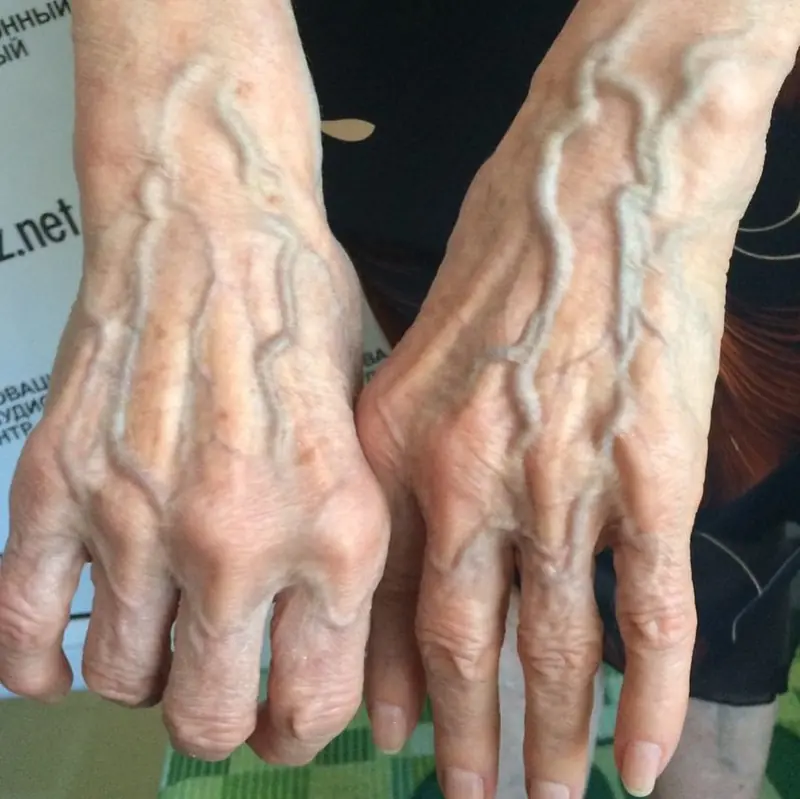
What do visible veins really mean? The answer may surprise you 😳👇

Doctors Reveal What Eating a Banana Before Bed May Do to Your Heart, Muscles, and Sleep 🍌💤
Experts Say These 5 Water-Drinking Mistakes May Impact Kidney and Liver Health 🚨

If you have several of these symptoms, it may be time for a checkup

Late-night drink choices may affect sleep, blood pressure, and health.

Doctors urge families to pay attention to children's daily diet habits.

A warning story about children's drink choices and kidney health risks.

Nine out of ten people would think it was simply due to poor hygiene

Waking Up With a Bitter Taste in Your Mouth and Bad Breath Could Be a Sign of Five Diseases.

Don't Ignore These 9 Possible Signs of a Mini Stroke in the Elderly

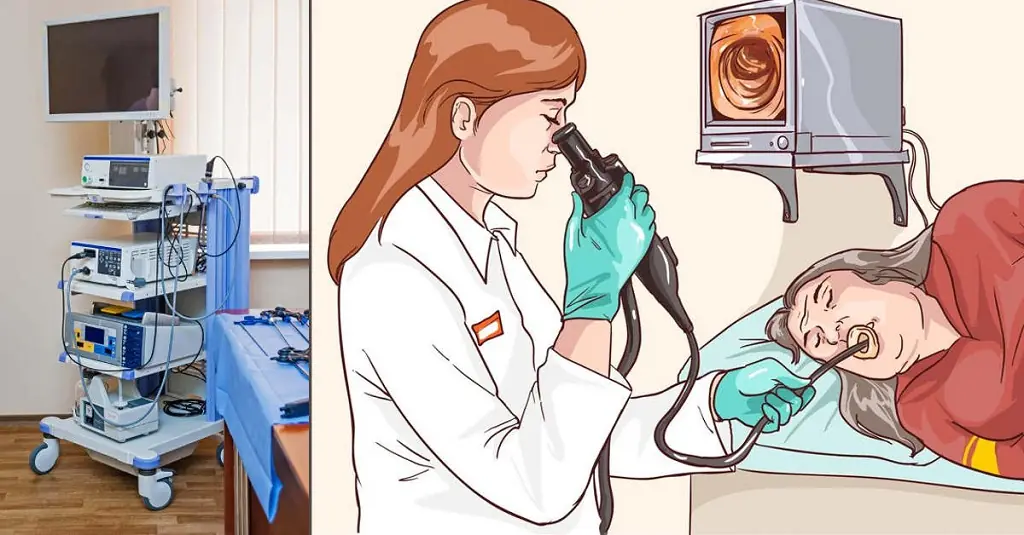
👇 Doctor Recommends a Colonoscopy? Here's What Some Experts Say You Should Ask First — Check 1st Comment

Your Sleep Pattern May Be Revealing More Than You Think - Especially If You Wake Up at 3 or 4 A.M
💡 Noticed a Lump in One of These Spots? Your Body May Be Sending a Signal
Think Jackfruit Is Harmless? These 5 Groups Should Be Careful 😮
Seeing Tiny White Spots on Your Skin? Here’s What Doctors Explain 👇
Morning Eggs Could Be Doing More for Your Body Than You Think 👇
You Eat Them for Taste, But Sweet Potatoes Hide These 8 Powerful Benefits 😮
Small oral changes may seem harmless but can signal health concerns.

A simple cleaning routine can restore your toilet tank in minutes.
What do visible veins really mean? The answer may surprise you 😳👇
Doctors Reveal What Eating a Banana Before Bed May Do to Your Heart, Muscles, and Sleep 🍌💤
Experts Say These 5 Water-Drinking Mistakes May Impact Kidney and Liver Health 🚨
If you have several of these symptoms, it may be time for a checkup

The car feature you've probably never paid attention to.
Late-night drink choices may affect sleep, blood pressure, and health.
Doctors urge families to pay attention to children's daily diet habits.
A warning story about children's drink choices and kidney health risks.

Some nighttime symptoms may seem harmless but deserve medical attention.

The Four Most Common Sources of Bathroom Odors
Nine out of ten people would think it was simply due to poor hygiene

Five Common Breakfast Myths
Waking Up With a Bitter Taste in Your Mouth and Bad Breath Could Be a Sign of Five Diseases.