
How Eating Papaya May Support Digestion, Immunity, and Overall Wellness
Doctors Explain What Happens to Your Body When You Eat Papaya Regularly
Health 27/06/2026 17:03
Experts warn that there are five groups of people who should be especially careful about consuming beef regularly, as excessive intake may quietly increase certain health risks.
For many years, Beef has been considered one of the most nourishing foods and is a favorite in many households. From stir-fried beef and beef stew to hot pot and European-style steak, it appears more and more often in everyday meals. Many people view beef as an ideal choice for building muscle, restoring strength, and supporting recovery after illness.
However, nutrition experts note that beef is not equally suitable for everyone. When eaten too frequently or in inappropriate amounts, it may contribute to health problems, especially for people with underlying medical conditions.
There is no denying the nutritional value of beef. It is an excellent source of high-quality protein, iron, zinc, vitamin B12, and essential amino acids. For manual laborers, athletes, and people recovering from illness, beef can help replenish energy and maintain muscle mass effectively.
According to the World Health Organization, moderate consumption of red meat can provide important nutrients that are difficult to replace entirely with plant-based foods.
At the same time, the WHO has noted that long-term overconsumption of red meat may be associated with a higher risk of cardiovascular disease and certain metabolic disorders. The key question is not simply whether you should eat beef, but how much you eat and whether your body tolerates it well.
This is the first group advised to limit beef intake. Beef contains relatively high levels of purines, compounds that are broken down into uric acid in the body.
When consumed in excess, uric acid levels can rise and trigger more severe gout flare-ups, leading to joint pain and prolonged inflammation. Many people reduce their meat intake but overlook the fact that concentrated beef broths, stews, and hot pot soups may contain large amounts of dissolved purines.
Nguyen Trong Hung of the Vietnam National Institute of Nutrition has explained that people with gout do not need to avoid red meat entirely, but they should control portion sizes and limit concentrated broths made from bones and slow-cooked meat.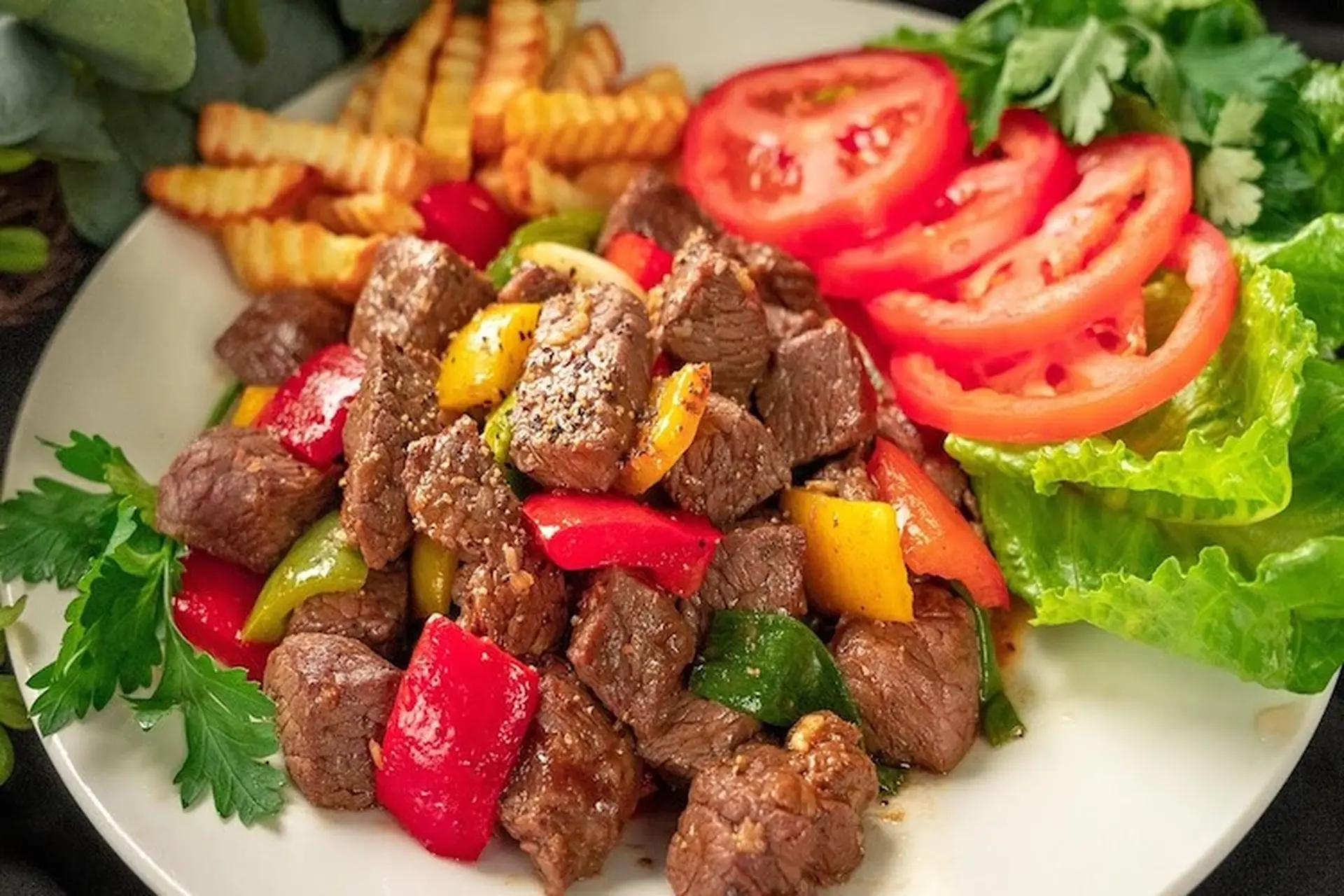
Many middle-aged and older adults experience bloating and indigestion after eating beef, which is a common occurrence.
Beef contains dense muscle fibers that require efficient digestion. For individuals with gastritis, digestive disorders, reduced intestinal motility, or those recovering from surgery, eating too much beef may cause prolonged heaviness and abdominal discomfort.
Nutrition specialists often recommend easier-to-digest protein sources such as fish, eggs, or poultry. If beef is consumed, tender lean cuts prepared as slow-cooked stews are usually better tolerated than heavily fried dishes.
Not every cut of beef is as healthy as many people assume. Some cuts, such as brisket and fatty beef belly, contain considerable amounts of saturated fat.
When eaten frequently in large portions, especially when grilled, fried, or served with rich sauces, these cuts may increase LDL (“bad”) cholesterol and place additional strain on the cardiovascular system.
This does not mean beef must be eliminated entirely, but individuals with cardiovascular conditions should limit portions, choose lean cuts, and avoid preparations high in oil and salt.
The kidneys are responsible for processing waste products from protein metabolism, and beef is a protein-rich food.
For people with chronic kidney disease or reduced kidney function, consuming excessive amounts of beef may overburden the kidneys and potentially accelerate disease progression.
Doctors commonly advise kidney patients to carefully monitor their total daily protein intake rather than eating large amounts based solely on appetite.
Although beef allergy is uncommon, it can occur. Some people may develop skin rashes, itching, stomach discomfort, or mild diarrhea after eating beef without realizing that the meat is the cause.
Mild allergic reactions may appear several hours later, making them easy to overlook. If you frequently feel unwell after eating beef, consider monitoring your symptoms and reducing your intake to assess how your body responds.
Experts emphasize that healthy individuals can certainly enjoy beef, but it should not be the only protein source in the diet.
Cooking methods also play a major role. Boiled, stewed, or lightly pan-seared beef with minimal oil is generally healthier than deep-fried beef, charred grilled dishes, or recipes high in salt.
Pairing beef with vegetables, fruits, and whole grains can improve nutrient absorption and reduce metabolic strain.
In reality, no food is entirely good or entirely bad. Long-term health depends far more on overall eating habits and your ability to listen to your body’s needs.
Doctors Explain What Happens to Your Body When You Eat Papaya Regularly

Enjoying Grapes Regularly? Here Are a Few Important Things to Consider

Thinking About Adding Winged Beans to Your Diet? Here's What You Should Know

8 Warning Signs of Stroke That Young Adults Should Never Ignore

Your Feet May Tell You More About Your Health Than You Realize
These Everyday Habits May Be Putting Your Kidney Health at Risk

How to Soothe a Mucus-Filled Chest and Throat: Practical Home Care Tips

Diabetes Often Develops Silently - These 10 Signs May Appear First
Doctors Warn: These 7 Groups Face a Higher Risk of Kidney Disease

Ignoring these warning signs could delay early detection
Most People Ignore This Toenail Symptom Until It's Too Late

Persistent Hip Pain? It Could Be More Than Just Aging.

Don't overlook this common morning change.

These six subtle warning signs are easier to miss than you think.

Your Sleeping Position May Affect Your Spine, Breathing, and Sleep Quality

Morning Hydration Matters - Here's Why Drinking Water After Waking Up Can Help

Think Twice Before Eating These 5 Overnight Leftovers Without Proper Storage

Are Eggs Really Bad for Cholesterol? Scientists Are Taking a Fresh Look

Can Everyone Eat Watermelon? Here Are 5 Situations Where Moderation Matters

Pan.creatic Can.cer often whispers before it screams
Doctors Explain What Happens to Your Body When You Eat Papaya Regularly
Enjoying Grapes Regularly? Here Are a Few Important Things to Consider
Thinking About Adding Winged Beans to Your Diet? Here's What You Should Know
8 Warning Signs of Stroke That Young Adults Should Never Ignore
Your Feet May Tell You More About Your Health Than You Realize

Extend the Shelf Life of Fresh Ginger Using These Simple Storage Methods
These Everyday Habits May Be Putting Your Kidney Health at Risk

Gentle Facial Hair Removal: What Works and What to Keep in Mind
How to Soothe a Mucus-Filled Chest and Throat: Practical Home Care Tips

6 Simple and Practical Ways to Reuse Rice Water Around Your Home
Diabetes Often Develops Silently - These 10 Signs May Appear First
Doctors Warn: These 7 Groups Face a Higher Risk of Kidney Disease
Ignoring these warning signs could delay early detection
Most People Ignore This Toenail Symptom Until It's Too Late
Persistent Hip Pain? It Could Be More Than Just Aging.
Don't overlook this common morning change.
These six subtle warning signs are easier to miss than you think.
Your Sleeping Position May Affect Your Spine, Breathing, and Sleep Quality
Morning Hydration Matters - Here's Why Drinking Water After Waking Up Can Help
Think Twice Before Eating These 5 Overnight Leftovers Without Proper Storage