Kidney disease was once considered a health problem that mainly affected older adults. However, in recent years, doctors and researchers have become increasingly concerned about the growing number of younger people developing kidney-related health issues. Cases of kidney dysfunction, kidney stones, high blood pressure-related kidney damage, and even chronic kidney disease are appearing more frequently among teenagers, young adults, and middle-aged individuals.
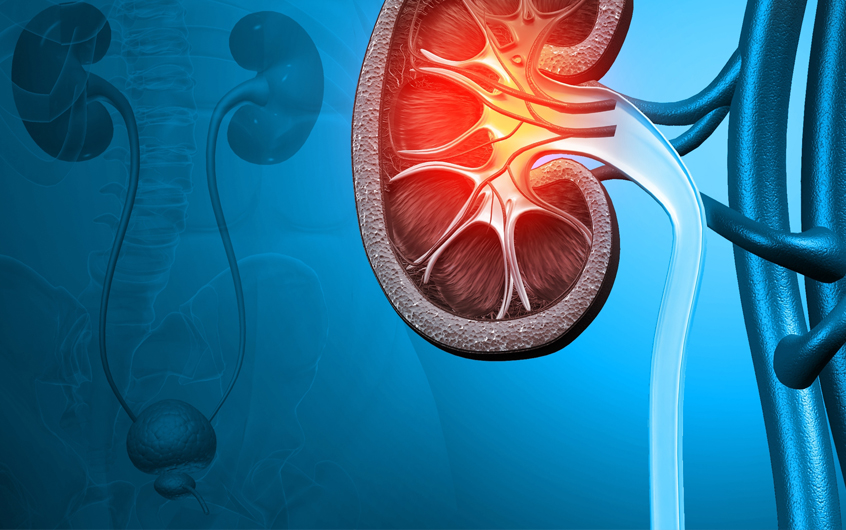
The kidneys are among the body’s most important organs. They work continuously to:
- Filter waste from the blood
- Remove excess fluids
- Balance minerals
- Regulate blood pressure
- Support red blood cell production
- Maintain electrolyte balance
Because the kidneys can compensate for damage for a long time, many people may not realize problems are developing until kidney function becomes significantly impaired.
Understanding why kidney problems may be increasing among younger generations — and which habits may help protect kidney health - has become more important than ever.

Why the Kidneys Matter So Much
The body has:
- Two kidneys
located near the lower back.
Every day, the kidneys filter large amounts of blood to remove:
- Waste products
- Excess salts
- Toxins
- Extra fluids
Healthy kidneys help maintain:
- Blood pressure
- Fluid balance
- Bone health
- Nerve function
When kidney function declines, multiple body systems may become affected.
Why Kidney Disease Can Be Dangerous
Kidney disease often develops silently.
Early stages may produce few noticeable symptoms.
Over time, declining kidney function may contribute to:
- Fluid buildup
- High blood pressure
- Fatigue
- Mineral imbalance
- Cardiovascular complications
Advanced kidney failure may eventually require:
- Dialysis
- Kidney transplantation
Why Younger People May Be Facing More Kidney Problems
Researchers believe several modern lifestyle factors may contribute to rising kidney concerns among younger populations.
Possible contributing factors include:
- Poor diet
- Dehydration
- Obesity
- High blood pressure
- Diabetes
- Excessive processed food intake
- Sedentary lifestyle
Modern habits may place long-term stress on kidney function.
1. Chronic Dehydration
One increasingly common issue is:
- Not drinking enough water
Many people regularly consume:
- Coffee
- Sugary drinks
- Energy drinks
while failing to maintain proper hydration.
Why Hydration Matters for the Kidneys
Water helps the kidneys:
- Filter waste
- Remove toxins
- Maintain fluid balance
- Support urine production
Chronic dehydration may increase the risk of:
- Kidney stones
- Urinary issues
- Kidney strain
Energy Drinks and Kidney Stress
Some younger individuals frequently consume:
- Energy drinks
- Highly caffeinated beverages
These drinks may contribute to:
- Dehydration
- High blood pressure
- Excess sugar intake
especially when consumed excessively.
2. High Sodium and Processed Foods
Modern diets often contain excessive:
- Sodium
- Preservatives
- Ultra-processed foods
Examples include:
- Instant noodles
- Fast food
- Processed meats
- Packaged snacks
Why Excess Sodium Affects the Kidneys
The kidneys help regulate:
- Salt balance
- Blood pressure
- Fluid levels
Too much sodium may contribute to:
- High blood pressure
- Fluid retention
- Increased kidney workload
Long-term uncontrolled high blood pressure is one of the leading causes of kidney damage.
3. Rising Obesity and Metabolic Problems
Obesity and metabolic disorders are becoming more common at younger ages.
These conditions may increase the risk of:
- Diabetes
- Hypertension
- Fatty liver disease
- Kidney dysfunction
Diabetes and Kidney Damage
High blood sugar may damage tiny blood vessels inside the kidneys over time.
This may reduce the kidneys’ ability to:
- Filter waste properly
Diabetes is one of the leading causes of chronic kidney disease worldwide.
Why Blood Pressure Matters
The kidneys and blood pressure are closely connected.
High blood pressure may:
- Damage kidney blood vessels
- Reduce filtration efficiency
- Increase kidney strain
At the same time, kidney disease may also worsen blood pressure control.
4. Overuse of Painkillers and Medications
Some people regularly use:
- Pain relievers
- Anti-inflammatory drugs
- Supplements
without realizing excessive or prolonged use may affect kidney function.
Why Certain Medications Affect the Kidneys
The kidneys help process and eliminate many substances from the body.
Long-term misuse of certain medications may increase kidney stress, particularly when combined with:
- Dehydration
- Alcohol
- Existing health conditions
Supplements and “Detox” Products
Some herbal products and supplements marketed online may:
- Contain unregulated ingredients
- Stress the kidneys
- Interact with medications
“Natural” does not automatically mean safe.
5. Sedentary Lifestyle
Physical inactivity may contribute to:
- Obesity
- Poor circulation
- High blood pressure
- Metabolic problems
Regular movement supports:
- Cardiovascular health
- Blood sugar control
- Weight management
which indirectly support kidney health as well.
Exercise and Kidney Wellness
Moderate physical activity may help:
- Improve circulation
- Support healthy blood pressure
- Reduce inflammation
- Improve insulin sensitivity
Healthy kidneys depend heavily on healthy blood vessels.
6. Poor Sleep and Chronic Stress
Modern lifestyles often involve:
- Sleep deprivation
- High stress
- Irregular schedules
Poor sleep and chronic stress may negatively affect:
- Hormones
- Blood pressure
- Blood sugar
- Inflammation
These changes may indirectly influence kidney health over time.
Why Sleep Is Important
During sleep, the body regulates:
- Hormones
- Blood pressure
- Repair processes
Chronic poor sleep has been associated with several long-term health problems.
Early Signs of Kidney Problems
Kidney disease may remain silent for years, but possible warning signs may include:
- Fatigue
- Swelling in legs or face
- Foamy urine
- Frequent urination
- Blood in urine
- Persistent high blood pressure
- Lower back discomfort
Persistent symptoms should never be ignored.
Why Swelling Happens
The kidneys help regulate:
- Fluid balance
When kidney function declines, excess fluid may accumulate in:
- Legs
- Ankles
- Hands
- Face
Foamy Urine and Kidney Function
Persistent foamy urine may sometimes indicate:
- Protein leakage into urine
This can occur when kidney filters become damaged.
Medical evaluation is important if symptoms persist.
Kidney Stones Are Increasing Too
Doctors have also observed increasing rates of:
- Kidney stones
among younger individuals.
Possible contributing factors include:
- Dehydration
- High sodium diets
- Excess sugar
- Obesity
The Importance of Regular Checkups
Simple tests may help detect kidney problems early, including:
- Blood pressure checks
- Blood tests
- Urine tests
Early detection often improves management and outcomes.
Healthy Habits That May Support Kidney Health
Helpful habits may include:
- Drinking enough water
- Limiting excess sodium
- Eating balanced meals
- Exercising regularly
- Maintaining healthy weight
- Managing blood pressure
- Sleeping adequately
Consistency matters more than extreme short-term changes.
Balanced Nutrition Supports the Kidneys
Kidney-friendly dietary habits may include:
- More vegetables
- Fruits
- Whole foods
- Moderate protein intake
- Reduced processed foods
Nutritional balance helps reduce long-term metabolic strain.
Smoking and Kidney Health
Smoking may damage:
- Blood vessels
- Circulation
- Kidney filtration
Long-term smoking increases the risk of several chronic diseases affecting the kidneys.
Alcohol and Kidney Stress
Excessive alcohol may contribute to:
- Dehydration
- Blood pressure problems
- Liver disease
- Metabolic imbalance
Heavy drinking may indirectly affect kidney health over time.
Why Prevention Matters
Kidney damage is often difficult to reverse once advanced.
Preventive habits and early awareness are extremely important because kidneys may silently lose function for years before severe symptoms appear.
The Connection Between Heart Health and Kidney Health
The kidneys and cardiovascular system are closely linked.
Conditions affecting:
- Blood vessels
- Blood pressure
- Circulation
may impact both the heart and kidneys together.
Young People Often Ignore Early Symptoms
Many younger individuals delay medical care because they:
- Feel healthy overall
- Ignore mild symptoms
- Assume kidney disease only affects older adults
Unfortunately, early kidney damage may remain unnoticed for long periods.

Final Thoughts
Kidney problems appear to be increasing among younger people due to a combination of modern lifestyle factors including dehydration, processed diets, obesity, high blood pressure, diabetes, excessive medication use, poor sleep, and sedentary habits.
Because kidney disease often develops silently, early awareness and preventive habits are extremely important. Staying hydrated, eating balanced meals, limiting processed foods, maintaining healthy blood pressure, exercising regularly, and attending routine medical checkups may all help support long-term kidney health and reduce the risk of future complications.