Symptoms Caused by HPV in the Throat: What You Should Never Ignore
Human papillomavirus (HPV) is widely known for its link to cervical cancer, but fewer people realize that it can also affect the throat. In recent years, HPV-related throat infections—especially oropharyngeal cancer—have been increasing, often developing silently before noticeable symptoms appear.
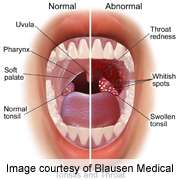
The image highlights several key warning signs. Understanding these symptoms early can help with timely diagnosis and better treatment outcomes.
What Is HPV in the Throat?
 4
4
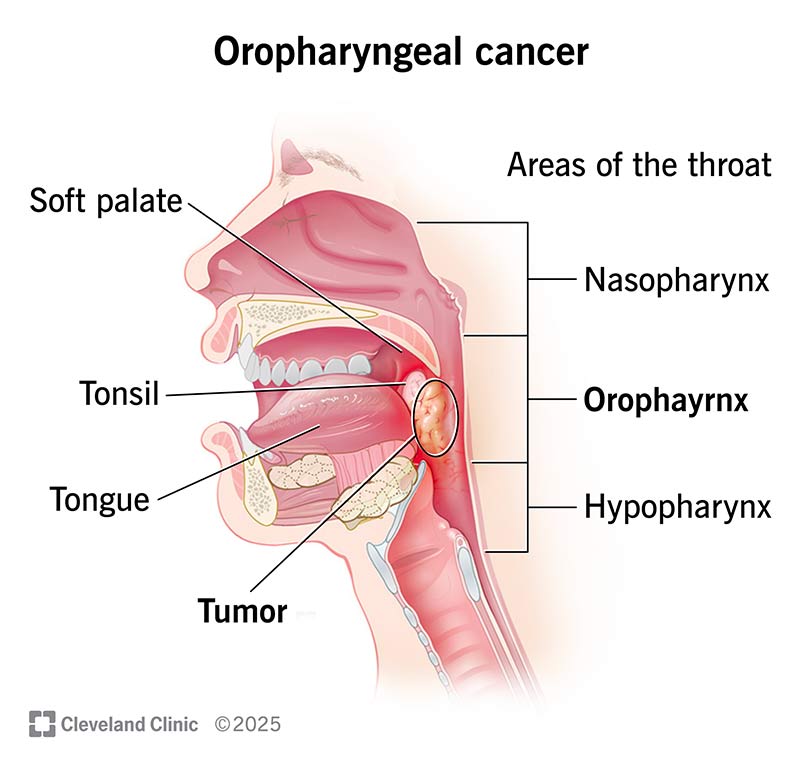
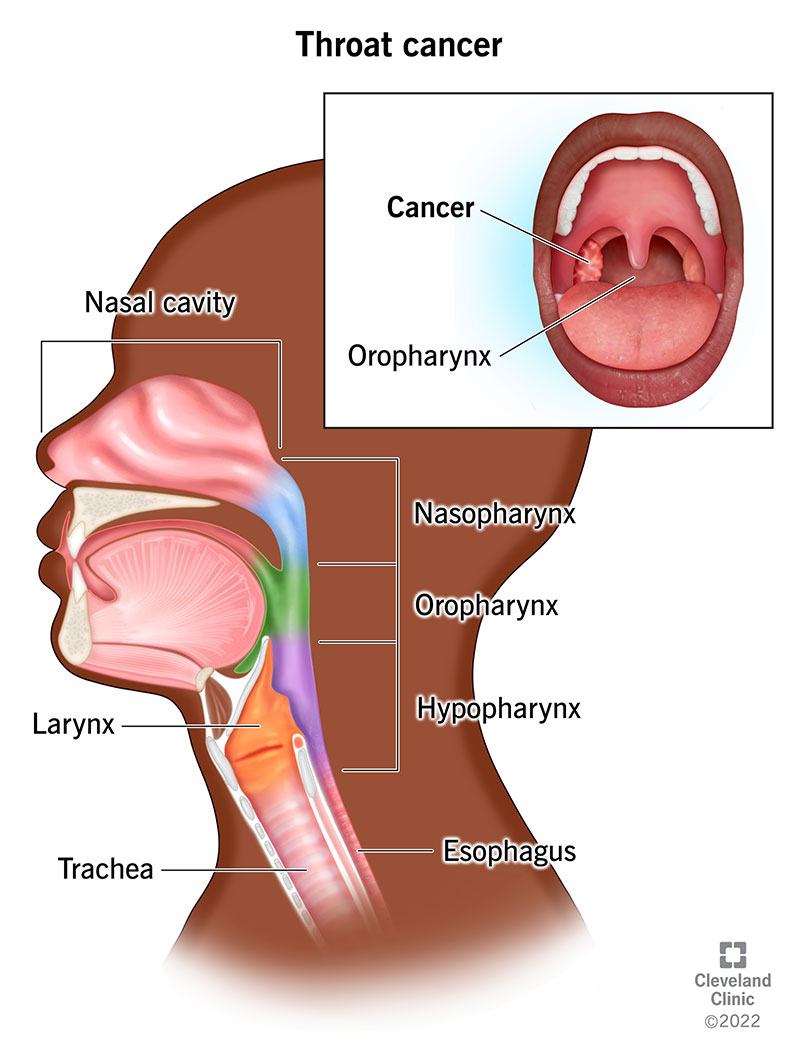
HPV in the throat affects areas such as:
- The tonsils
- The base of the tongue
- The back of the throat (oropharynx)
It is commonly transmitted through close contact, including oral exposure. While many HPV infections clear on their own, some high-risk strains can lead to abnormal cell growth and eventually cancer.
1. Persistent Sore Throat
A sore throat that doesn’t go away after a few days—or keeps returning—can be a warning sign. Unlike a typical cold, this discomfort:
- Lasts for weeks
- Does not respond well to usual treatments
- May feel localized on one side
2. Difficulty Swallowing


 4
4
Trouble swallowing (dysphagia) may feel like:
- Food getting stuck
- Pain when swallowing
- A constant lump sensation
This happens when abnormal tissue growth interferes with normal throat function.
3. Ear Pain Without Infection
Ear pain can sometimes originate from the throat due to shared nerve pathways. If there is:
- Persistent ear pain
- No clear ear infection
…it may be referred pain from the throat, which should not be ignored.
4. Hoarseness or Voice Changes
Changes in the voice—such as hoarseness or a raspy tone—can occur when the infection affects nearby vocal structures.
If voice changes last more than 2–3 weeks, it’s important to get evaluated.
5. Lumps in the Throat or Neck

 4
4
One of the most noticeable signs is a lump:
- In the neck (swollen lymph nodes)
- In the throat area
These lumps may be painless at first but gradually increase in size.
6. Swollen Lymph Nodes
The immune system reacts to abnormal cells, causing lymph nodes to enlarge. Persistent swelling—especially on one side—should be checked.
Why These Symptoms Are Often Ignored
Many of these signs mimic common conditions like:
- Sore throat
- Tonsillitis
- Mild infections
Because of this, people often delay seeking medical attention until symptoms worsen.
When to See a Doctor
Medical evaluation is recommended if:
- Symptoms last longer than 2–3 weeks
- There is difficulty swallowing or persistent pain
- A lump appears in the neck or throat
- Voice changes do not improve
Early detection significantly improves treatment success.
Prevention and Protection
- HPV vaccination can reduce risk
- Maintaining good oral health is important
- Avoiding high-risk behaviors helps prevent transmission
- Regular health check-ups support early detection
Final Thoughts
HPV in the throat is a growing health concern, but it often begins with subtle symptoms that are easy to dismiss. A sore throat that won’t go away, unexplained ear pain, or difficulty swallowing may seem minor—but they could be early warning signs.
Pay attention to changes in your body. Acting early is the most powerful step toward protecting long-term health.