These 6 groups of people are advised not to eat oysters due to potential health risks
6 types of individuals who should limit or avoid oysters to protect their health

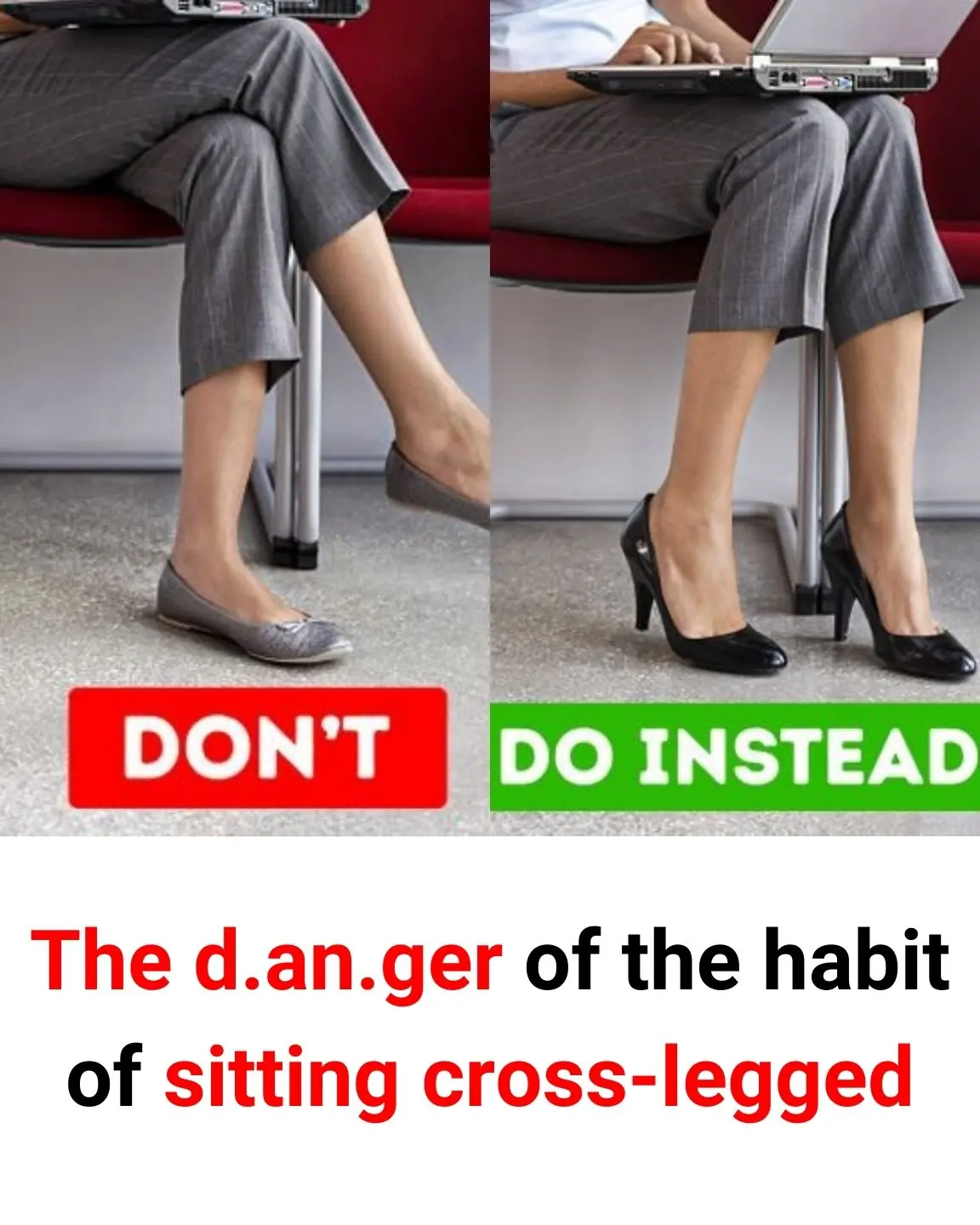
Sitting cross-legged causes the spine, joints, back, and hips to bear a lot of force, which in the long run can cause osteoarthritis, pelvic tilt, and affect walking.
Sitting cross-legged is a familiar position for many people, especially women. In the long run, this position can cause many serious impacts on the neck, back, hips, knees, posture, and gait, especially for people with varicose veins.
On May 23, Dr. Le Bao Le, Department of Internal Medicine and Musculoskeletal, University of Medicine and Pharmacy Hospital, Ho Chi Minh City, said that when sitting cross-legged, one leg is placed on the thigh of the other leg, causing the hip to no longer be balanced but to lean to one side. In order for the body to regain balance, the spine must lean to the opposite side, which over time will cause the spine and neck to no longer be straight due to having to bear more force than usual.
In addition, the back, neck, and hips also have to bear a lot of pressure, making them more prone to pain and fatigue. When crossing the legs, the lower area is also pressed a lot, making the varicose veins worse.
Sitting with the legs crossed causes the hip area to bear uneven force, leading to uneven development of the muscles in the spine and hips. The side that bears more force will be larger, affecting posture and even walking.
Doctor Calvin Q Trinh, Head of the Musculoskeletal Correction Center at Hospital 1A (HCMC), also said that this habit causes the body to lose its symmetry, causing pelvic distortion, even pain in the lumbar region and knee pain. Crossing the legs can put pressure on the peroneal nerve behind the knee, and blood flow to the joints in the legs is also reduced, hindering the process of creating synovial fluid in the joint, causing the joint to dry out.
"This both increases pressure on the cartilage and stretches the ligament system, leading to the risk of osteoarthritis," the doctor said.
Crossing your legs for a long time also causes the knee joint to be pressed in the wrong position, increasing pressure on the cartilage, causing the ligament system to stretch. This position is dangerous for people with bone and joint diseases, people with venous insufficiency, making the disease worse, making it difficult to walk, affecting the quality of life.
According to Dr. Le, the best sitting position for health is to sit with both legs parallel, the back and neck straight. This is the position that makes the force evenly distributed to the neck, back, and pelvis. At this time, the body is balanced, limiting the impact on the muscles, bones and spine. Occasionally, women can sit cross-legged, but it should not become a habit.
For those who have to sit for a long time, they should straighten their legs and put their feet forward, or just cross their feet. People who do sedentary office work should stand up every 60-120 minutes of sitting and walk around to limit aches and pains.
When you have pelvic or spinal misalignment or bone and joint problems, you need to go to the hospital for examination and treatment to restore, relieve pain, and improve motor function.

6 types of individuals who should limit or avoid oysters to protect their health

Why Your Mouth Gets Dry at Night: 8 Common Reasons Explained

One glass of orange juice a day can bring these amazing health effects

If you notice these 5 uncommon breath smells, it might be a warning of an underlying illness

3 Warning Signs During Sleep That Could Be Linked to Can.cer

3 Common Beverages That May Contribute to Osteoporosis

What really happens to your body when you sleep with…

The Effects on Your Body When You Stop Being Se.xua.lly Active

Came across this on my son’s scalp and I’m not sure what it is. We can’t get medical help soon—has anyone seen this before?

Diabetes can develop quietly, often showing up in ways that are easy to overlook. In its early stages, the condition might not cause dramatic or obvious symptoms, which is why so many people live with undiagnosed diabetes for months or even years.

Hypothermia is an acute medical emergency in which the body’s core temperature drops below 35°C. In cold environments, time becomes the enemy; even a few hours—or sometimes just minutes—of carelessness can lead to multiple organ failure and death.

We often have the habit of storing leftover food in the fridge to eat the next day. Sometimes, due to work, it's also common to cook once for several days’ worth of meals.

Uterine fibroids are benign tumors commonly found in women of reproductive age. When these tumors grow large, they can cause pain, menstrual irregularities, anemia, and even infertility, making early detection and treatment essential.

During cold weather, lower temperatures can cause an increase in catecholamines in the bloodstream. This leads to blood vessel constriction and subsequently raises vascular pressure, resulting in increased heart rate and elevated blood pressure.

These 7 warning signs could appear before a heart attack—especially the 6th one

Doctors warn: 5 groups of people should STOP using ginger immediately

If you wake up with a morning erection, it’s not something to laugh off or feel embarrassed about. Believe it or not, this natural, nightly occurrence is one of the best indicators that your cardiovascular system is working like a well-oiled machine.

I was talking to my friend the other day, who complained of yet another sinus infection. Runny nose, facial pain, difficulties breathing, headaches and fatigue were marking her days as of late.

Pain on the left side of the body can be unsettling, especially when it appears suddenly, persists, or interferes with daily activities. Because the left side of the torso contains several important organs—including parts of the digestive system, the sp

A groundbreaking development in joint care from Germany could potentially revolutionize how joint pain, arthritis, and cartilage damage are treated. Scientists have unveiled a novel gel that regenerates joint cartilage without the need for invasive surger

6 types of individuals who should limit or avoid oysters to protect their health

Why Your Mouth Gets Dry at Night: 8 Common Reasons Explained

How to Get Rid of Bathroom Odors Without Air Fresheners

One glass of orange juice a day can bring these amazing health effects

Couple Halts Vacation After Vet Reveals Shocking Truth About Stray Dog

If you notice these 5 uncommon breath smells, it might be a warning of an underlying illness

3 Warning Signs During Sleep That Could Be Linked to Can.cer

3 Common Beverages That May Contribute to Osteoporosis

What really happens to your body when you sleep with…

Putting eggs on the refrigerator door is a typical error that leads to faster spoilage and nutrient loss

Why Chicken Gizzards Are a Superfood: 7 Amazing Benefits

The Effects on Your Body When You Stop Being Se.xua.lly Active

Came across this on my son’s scalp and I’m not sure what it is. We can’t get medical help soon—has anyone seen this before?

Which Rose Do You Choose? Discover What It Says About You

Diabetes can develop quietly, often showing up in ways that are easy to overlook. In its early stages, the condition might not cause dramatic or obvious symptoms, which is why so many people live with undiagnosed diabetes for months or even years.

Hypothermia is an acute medical emergency in which the body’s core temperature drops below 35°C. In cold environments, time becomes the enemy; even a few hours—or sometimes just minutes—of carelessness can lead to multiple organ failure and death.

Chicken Breast Lovers, Take Note: Here’s What Happens to Your Body

We often have the habit of storing leftover food in the fridge to eat the next day. Sometimes, due to work, it's also common to cook once for several days’ worth of meals.

Uterine fibroids are benign tumors commonly found in women of reproductive age. When these tumors grow large, they can cause pain, menstrual irregularities, anemia, and even infertility, making early detection and treatment essential.

During cold weather, lower temperatures can cause an increase in catecholamines in the bloodstream. This leads to blood vessel constriction and subsequently raises vascular pressure, resulting in increased heart rate and elevated blood pressure.