The liver is one of the hardest-working organs in the human body. It filters toxins, processes nutrients, regulates blood sugar, stores vitamins,
supports digestion, and helps balance hormones - day and night, without rest. What makes liver problems especially dangerous is that the
liver can suffer quietly for years without obvious symptoms. Many people only discover liver damage when it has already progressed.
What’s even more concerning is that liver overload is often not caused by one major mistake, but by small, everyday habits that slowly
accumulate over time. Below are some of the most common yet overlooked habits that silently push the liver beyond its limits.
1. Consuming Too Much Sugar and Refined Carbohydrates
Excess sugar is one of the biggest enemies of liver health. When you consume more sugar than your body needs, the liver converts the excess
into fat. Over time, this process can lead to non-alcoholic fatty liver disease (NAFLD).
Hidden sources of sugar include:
-
Sweetened beverages
-
Packaged snacks
-
White bread and pastries
-
Sweet sauces and dressings
Even people who rarely eat desserts may unknowingly overload their liver through refined carbs that spike blood sugar repeatedly throughout
the day.
2. Eating Late at Night on a Regular Basis
Late-night eating forces the liver to continue working when it should be in recovery mode. During sleep, the liver normally focuses on
detoxification and repair. Eating heavy meals late - especially those high in fat or sugar interrupts this process.
Over time, this habit:
-
Disrupts metabolism
-
Increases fat storage in the liver
-
Interferes with hormonal balance
This is particularly harmful for people who already have irregular sleep patterns.
3. Overusing Painkillers and Common Medications
Many people assume that over-the-counter medications are completely safe. However, the liver is responsible for breaking down most drugs,
including common pain relievers such as acetaminophen and anti-inflammatory medications.
Frequent or long-term use - even at standard doses can:
-
Stress liver detox pathways
-
Increase the risk of liver inflammation
-
Cause cumulative damage over time
Mixing medications with alcohol further increases this risk significantly.
4. Chronic Dehydration
Water plays a crucial role in helping the liver flush out toxins. When the body is dehydrated, the liver must work harder to filter waste with less
support.
Many people drink water only when they feel thirsty, but thirst is already a sign of dehydration. Chronic low water intake can:
-
Slow detoxification
-
Increase toxin buildup
-
Reduce bile production, affecting digestion

5. Excessive Alcohol Intake (Even “Moderate” Drinking)
Alcohol is processed almost entirely by the liver. While occasional drinking may not cause immediate harm, regular consumption - even in
moderate amounts can gradually overload liver cells.
Over time, this can lead to:
-
Fatty liver
-
Liver inflammation
-
Scarring (fibrosis)
The liver has a remarkable ability to regenerate, but repeated alcohol exposure reduces this capacity.
6. Sedentary Lifestyle
Lack of physical activity contributes indirectly to liver overload. A sedentary lifestyle increases the risk of:
-
Obesity
-
Insulin resistance
-
High triglyceride levels
All of these factors promote fat accumulation in the liver. Even people who eat relatively well can develop liver problems if they are physically
inactive for long periods.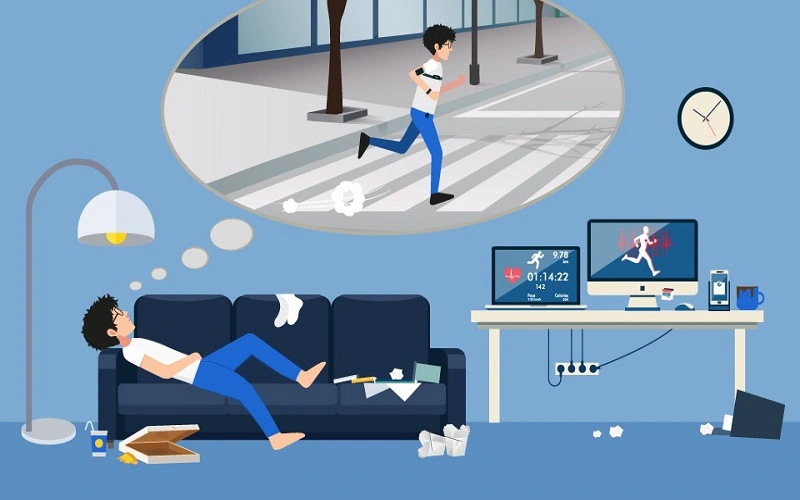
7. Constant Stress and Poor Sleep
Chronic stress raises cortisol levels, which affects blood sugar regulation and fat metabolism. Over time, this hormonal imbalance places extra
strain on the liver.
Poor sleep further worsens the issue by:
-
Reducing the liver’s repair time
-
Increasing inflammation
-
Disrupting detox cycles
Stress and sleep deprivation together create a silent but powerful burden on liver function.
8. Frequent Consumption of Processed Foods
Ultra-processed foods often contain preservatives, additives, artificial coloring, and unhealthy fats. These substances require additional
detoxification work by the liver.
Regular consumption can:
-
Increase oxidative stress
-
Promote inflammation
-
Accelerate liver fatigue
The more processed the food, the harder the liver must work to neutralize it.
9. Ignoring Gut Health
The liver and gut are closely connected. An unhealthy gut microbiome allows toxins and bacteria to enter the bloodstream more easily,
forcing the liver to filter them out.
Poor gut health can:
-
Increase liver inflammation
-
Worsen fatty liver
-
Slow detoxification
Low fiber intake, excessive antibiotics, and poor diet all contribute to this problem.
Early Warning Signs Your Liver May Be Overworked
Because the liver is resilient, symptoms often appear late. However, subtle signs may include:
-
Persistent fatigue
-
Bloating or digestive discomfort
-
Unexplained weight gain
-
Brain fog
-
Dull skin or acne
-
Discomfort on the upper right side of the abdomen
These symptoms are often dismissed or attributed to stress, allowing liver strain to continue unnoticed.
How to Reduce Liver Overload Naturally
Supporting your liver doesn’t require extreme detox programs. Simple, consistent changes can make a powerful difference:
-
Reduce added sugar and refined carbs
-
Eat earlier in the evening
-
Drink enough water throughout the day
-
Limit alcohol intake
-
Exercise regularly
-
Prioritize sleep and stress management
-
Choose whole, unprocessed foods
-
Support gut health with fiber and fermented foods
Final Thoughts
The liver rarely complains until it is overwhelmed. Many modern habits - though seemingly harmless can quietly push this vital organ
beyond its capacity. Awareness is the first step toward protection.
By recognizing and correcting these silent habits early, you give your liver the chance to do what it does best: protect your body, balance your
system, and keep you healthy for the long term.
How to Prevent Liver Overload and Protect Liver Health
Preventing liver overload does not require drastic measures or expensive treatments. In most cases, small, consistent lifestyle changes are
enough to significantly reduce the burden on the liver and help it function efficiently for years to come. Below are practical, science-backed
ways to protect your liver and prevent silent damage.
1. Adopt a Liver-Friendly Diet
What you eat has the most direct impact on liver health.
Focus on:
-
Leafy greens (spinach, kale, arugula)
-
Cruciferous vegetables (broccoli, cauliflower)
-
Fruits rich in antioxidants (berries, apples, citrus)
-
Whole grains instead of refined carbs
-
Lean protein (fish, chicken, legumes)
-
Healthy fats (olive oil, nuts, avocado)
Limit or avoid:
-
Added sugars and sugary drinks
-
White bread, pastries, and refined carbohydrates
-
Fried and ultra-processed foods
-
Excess red and processed meats
A balanced diet reduces fat buildup in the liver and lowers inflammation.
2. Control Sugar Intake and Blood Sugar Levels
Excess sugar is quickly converted into fat in the liver. Even people who don’t drink alcohol can develop fatty liver due to high sugar intake.
Prevention tips:
-
Read food labels for hidden sugars
-
Replace sugary snacks with fruit or nuts
-
Pair carbohydrates with protein or fiber to reduce blood sugar spikes
-
Avoid late-night sweet cravings
Keeping blood sugar stable protects the liver from fat accumulation.
3. Drink Enough Water Daily
Hydration is essential for detoxification. Water helps the liver flush toxins efficiently and supports bile production.
Tips:
-
Drink water consistently throughout the day
-
Don’t wait until you feel thirsty
-
Increase intake during exercise or hot weather
Adequate hydration reduces liver strain and improves digestion.
4. Limit Alcohol Consumption
Alcohol is processed almost entirely by the liver. Even moderate, regular drinking can slowly damage liver cells.
Prevention guidelines:
-
Avoid daily alcohol consumption
-
Take alcohol-free days each week
-
Never mix alcohol with painkillers or medications
-
If diagnosed with fatty liver, avoid alcohol completely
Giving the liver breaks allows it time to repair and regenerate.
5. Maintain a Healthy Weight
Excess body fat, especially around the abdomen, increases fat storage in the liver.
Helpful habits:
-
Aim for gradual weight loss if overweight
-
Avoid crash diets or rapid weight loss
-
Combine healthy eating with regular exercise
Losing just 5–10% of body weight can significantly reduce liver fat.
6. Exercise Regularly
Physical activity improves insulin sensitivity and reduces fat accumulation in the liver—even without major weight loss.
Recommended routine:
-
At least 150 minutes of moderate exercise per week
-
Include strength training 2–3 times weekly
-
Stay active throughout the day, not just during workouts
Movement is one of the most effective natural protectors of liver health.
7. Use Medications Wisely
The liver metabolizes most medications, including over-the-counter drugs.
Safety tips:
-
Avoid unnecessary medication use
-
Never exceed recommended dosages
-
Do not combine medications without medical advice
-
Inform your doctor about supplements you take
Responsible medication use prevents toxic overload.
8. Improve Gut Health
A healthy gut reduces the number of toxins entering the bloodstream, easing the liver’s workload.
Support gut health by:
-
Eating high-fiber foods
-
Including fermented foods (yogurt, kefir, kimchi)
-
Avoiding excessive antibiotics unless prescribed
A balanced gut microbiome protects the liver from inflammation.
9. Manage Stress and Prioritize Sleep
Chronic stress and poor sleep disrupt hormone balance and increase liver inflammation.
Protective habits:
-
Aim for 7–8 hours of sleep per night
-
Practice relaxation techniques (deep breathing, meditation)
-
Maintain a consistent sleep schedule
The liver performs much of its repair work during sleep.
10. Get Regular Health Checkups
Many liver conditions develop silently. Early detection makes prevention and treatment far more effective.
Consider regular:
-
Liver enzyme blood tests
-
Ultrasound if risk factors are present
-
Medical consultations for persistent fatigue or digestive issues
Early awareness prevents long-term damage.
Your liver works quietly, constantly, and tirelessly - but it is not indestructible. Preventing liver overload is about daily choices, not extreme
detoxes or quick fixes.
By eating wisely, staying active, managing stress, and respecting your body’s limits, you can protect your liver and support its incredible ability
to heal and regenerate. A healthy liver is not just about avoiding disease - it’s the foundation of long-term energy, metabolism, and overall
wellbeing.