Bed bugs are among the most stubborn and stressful household pests to eliminate. They hide in the smallest cracks, multiply quickly, and feed
on human blood while we sleep. Even worse, their bites can cause itching, allergic reactions, anxiety, and sleepless nights. While chemical
pesticides are commonly used, many people hesitate to rely on them - especially in homes with children, pets, or anyone sensitive to strong
chemicals.
The good news is that bed bugs can be controlled and even eliminated using natural, non-toxic methods when those methods are
applied correctly and consistently. This guide explains how bed bugs live, where they hide, and how to remove them using safe, effective
strategies that don’t rely on harsh chemicals.
1. Understanding Bed Bugs: How They Live and Spread
Bed bugs are small, flat, reddish-brown insects that hide during the day and become active at night. They are excellent at staying out of sight
and can squeeze into spaces as thin as a credit card.
Common hiding places include:
-
Mattress seams and box springs
-
Bed frames and headboards
-
Cracks in wooden furniture
-
Behind electrical outlets and wall frames
-
Curtains, carpets, and baseboards
-
Clothing, bags, and luggage
They spread easily by hitchhiking on fabrics, suitcases, secondhand furniture, or even guests’ belongings. Understanding these habits is
essential, because effective treatment depends on targeting their hiding places not just the bed itself.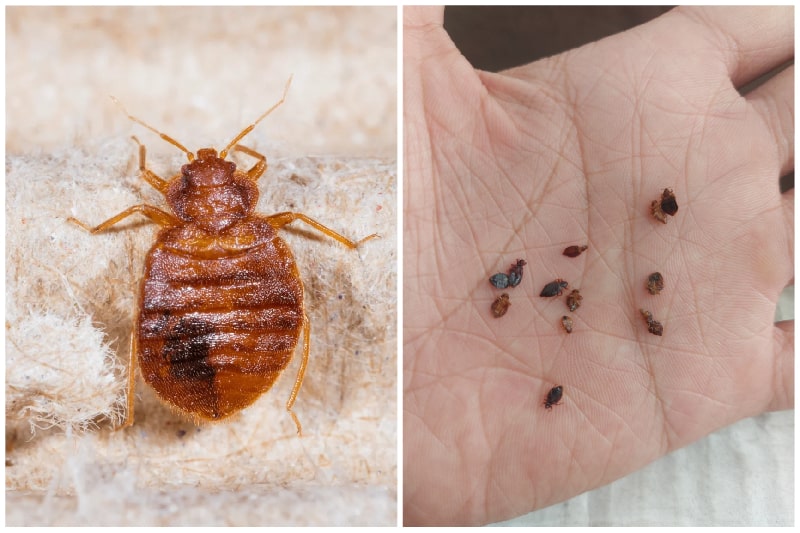
2. Heat Treatment: The Most Powerful Natural Solution
Heat is one of the most effective ways to kill bed bugs at all life stages, including eggs. Bed bugs cannot survive temperatures above 120°F
(49°C).
How to Use Heat at Home
-
Wash bedding, clothing, and linens in hot water
-
Dry on the highest heat setting for at least 30–45 minutes
-
Use a steam cleaner (minimum 212°F) on mattresses, bed frames, sofas, carpet edges, and cracks
-
Seal non-washable items (books, shoes, toys) in black plastic bags and leave them in direct sunlight for 6–8 hours
Heat penetrates deep into materials, making it one of the most reliable chemical-free options.
3. Diatomaceous Earth: A Natural Insect Killer
Food-grade diatomaceous earth (DE) is one of the most trusted natural tools against bed bugs. It’s a fine powder made from fossilized algae.
Why It Works
DE damages the insect’s outer shell, causing it to dry out and die naturally.
How to Use It
-
Lightly dust DE around mattress edges, bed legs, baseboards, and cracks
-
Leave it undisturbed for 24–72 hours
-
Vacuum thoroughly afterward
It is safe for humans and pets when food-grade, but deadly to insects.
4. Essential Oils: Natural Repellents and Contact Killers
Certain essential oils are known for their insect-repelling and insecticidal properties.
Most Effective Oils
-
Tea tree oil
-
Lavender oil
-
Peppermint oil
-
Eucalyptus oil
-
Lemongrass oil
How to Use
Mix:
-
10–20 drops essential oil
-
1 cup water
-
1 tablespoon witch hazel or rubbing alcohol
Spray lightly on:
-
Mattress seams
-
Headboards
-
Furniture joints
-
Curtains and sofa cushions
While essential oils alone may not eliminate a severe infestation, they help reduce activity and repel bugs from sleeping areas.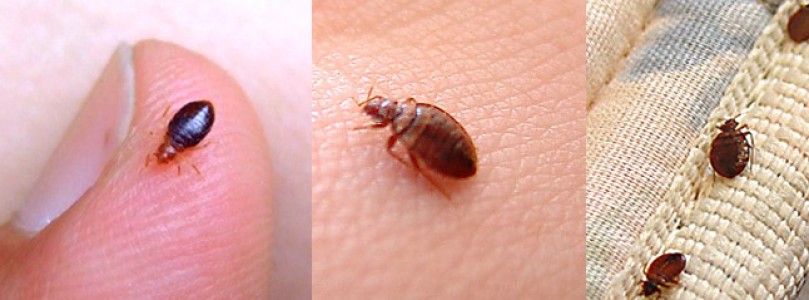
5. Vacuuming: Simple but Essential
Vacuuming removes live bed bugs, eggs, shed skins, and waste.
Best Practices
-
Use strong suction
-
Focus on seams, cracks, baseboards, and carpet edges
-
Immediately seal and discard the vacuum bag outdoors
Vacuuming won’t solve the problem alone, but it significantly reduces the population when combined with other methods.
6. Baking Soda: A Traditional Home Remedy
Baking soda is believed to absorb moisture from bed bugs, leading to dehydration.
How to Use
-
Sprinkle lightly in hiding areas
-
Leave for several days
-
Vacuum and reapply weekly
Its effectiveness is debated, but it may help as a supplemental method.
7. Cold Treatment: Effective for Small Items
Extreme cold can also kill bed bugs.
How to Apply
-
Seal items in plastic bags
-
Freeze at 0°F (-18°C) for at least 72 hours
This method works best for pillows, clothes, stuffed toys, and small items.
8. Declutter and Isolate the Bed
Bed bugs thrive in clutter, where they have countless hiding spots.
Key Steps
-
Reduce clutter around the bed
-
Pull the bed away from walls
-
Use bed bug interceptor traps under bed legs
-
Encase mattresses and pillows in bed bug–proof covers
Isolation makes monitoring and elimination much more effective.
9. Natural Repellents and Barriers
Several household items can help deter bed bugs from sleeping areas:
-
Fresh mint leaves
-
Clove oil
-
Vinegar spray
-
Rubbing alcohol (use cautiously; flammable)
-
Black walnut tea bags
These are deterrents, not standalone solutions, but they add an extra layer of protection.
10. When Natural Methods May Not Be Enough
Natural treatments work best for early or mild infestations. If you notice:
-
Bites every night
-
Bugs in multiple rooms
-
Large numbers visible
Professional extermination may be necessary. Severe infestations spread quickly and can overwhelm home remedies.
Preventing Bed Bugs From Coming Back
Once eliminated, prevention is critical.
-
Inspect luggage after travel
-
Avoid used mattresses and upholstered furniture
-
Wash bedding weekly in hot water
-
Keep bags and clothes off the bed
-
Use mattress and pillow encasements
Final Thoughts
Eliminating bed bugs naturally takes patience, consistency, and a combination of methods. Heat treatment, diatomaceous earth, essential
oils, vacuuming, and proper prevention together form a powerful, non-toxic approach.
While natural solutions may take longer than chemical treatments, they are safer, environmentally friendly, and highly effective when used
correctly. With persistence and the right strategy, it is absolutely possible to reclaim your home naturally.