Many people don’t realize that mice rely heavily on their sense of smell to navigate their surroundings. Certain plants with strong, distinctive
aromas can overwhelm that sensitive sense, making the environment uncomfortable and uninviting for rodents. By planting these natural
deterrents around your home or garden, you can reduce the risk of mice invasion while also improving air quality, aesthetics, and overall
environmental health.
Using plants to repel mice is a safe, eco-friendly alternative to chemical traps and poisons. Not only does this method protect your family and
pets from harmful substances, but it also brings added benefits such as fresh herbs, beautiful flowers, and natural pest control.
Below are some of the most effective plants known to help keep mice away.
1. Mint and Basil
Mint is one of the most well-known natural mouse repellents. Its sharp, pungent scent is highly irritating to rodents, causing them to avoid
areas where mint is present. Mice are particularly sensitive to mint essential oil, which is why even small amounts can be effective.
For humans, however, mint has the opposite effect—it creates a refreshing, calming atmosphere and helps neutralize unpleasant odors.
Planting mint around the perimeter of your home, near doors, or in the garden can provide double benefits: pest control and a pleasant living
environment. The stronger and denser the mint growth, the more effective it becomes.
Basil, which belongs to the same plant family, also releases a strong aroma that mice dislike. Planting basil alongside mint enhances the
repelling effect while giving you fresh herbs for cooking.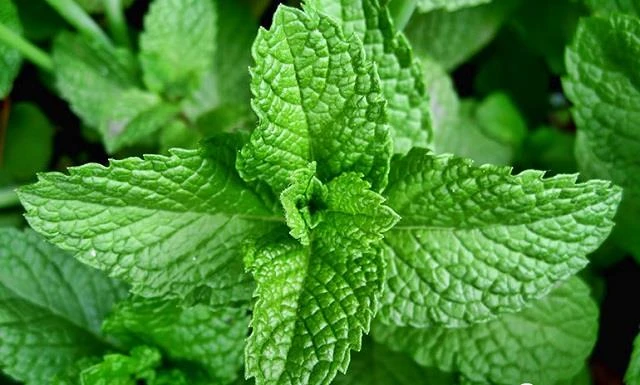
2. Onions and Garlic
Onions and garlic are not only kitchen staples but also effective mouse deterrents. These plants contain sulfur compounds and essential oils
that emit strong odors rodents find intolerable.
Spring onions, in particular, are easy to grow and require minimal maintenance. Planting onions or garlic around garden beds, along fences, or
in pots near entry points creates a natural barrier that discourages mice from approaching your home.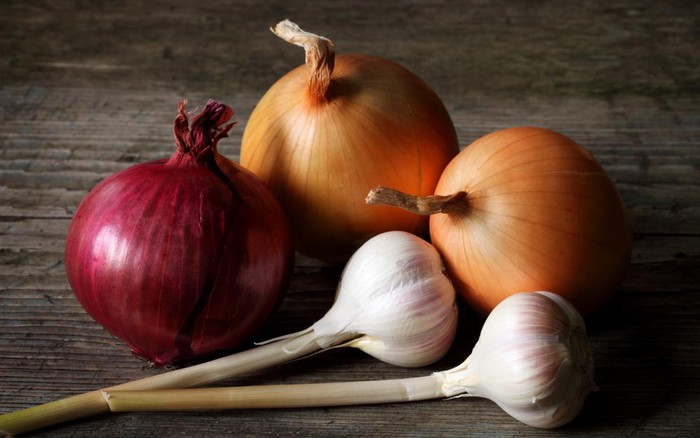
3. Lemongrass
Lemongrass is another powerful plant mice strongly dislike. Its citrus-like scent repels rodents as well as mosquitoes and other insects, making
it a multifunctional addition to any garden.
Lemongrass is easy to grow and adapts well to various soil conditions. It can be planted directly into the ground or grown in containers. To
propagate lemongrass at home, trim the stalk, soak the root base in water for several days until new roots appear, then plant it in soil with
good drainage.
This fast-growing plant not only protects your home but also enhances your cooking and natural pest control efforts.
4. Rosemary
Rosemary’s strong, woody aroma makes it highly unpleasant for mice. Beyond its pest-repelling properties, rosemary also helps purify the air
and is widely used in cooking.
This herb grows well in gardens, balconies, or small indoor pots. By planting rosemary near entrances or windows, you can discourage mice
while enjoying its fragrance and culinary value.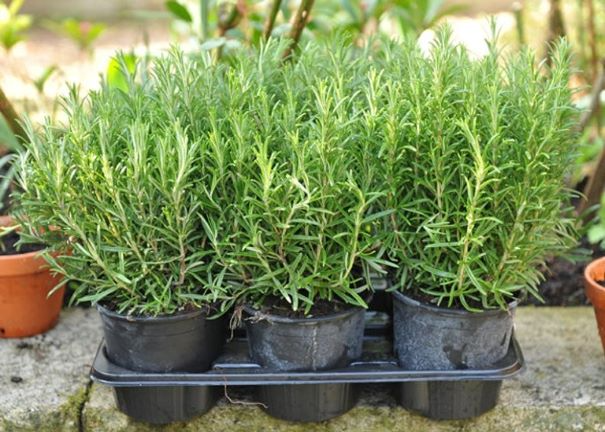
5. Chrysanthemums and Marigolds
Flowers can be just as effective as herbs when it comes to repelling mice. Chrysanthemums contain natural compounds called pyrethrins,
which affect the nervous systems of rodents and insects.
Marigolds, with their strong scent and pest-repelling properties, are often planted around vegetable gardens. In addition to keeping mice
away, marigolds attract beneficial insects like bees and butterflies, helping maintain a healthy garden ecosystem.
6. Daffodils
Daffodils are not only visually striking but also effective at keeping rodents away. Their fragrance contains compounds that mice find
unpleasant, causing them to avoid areas where these flowers grow.
Planting daffodils around your home or garden provides seasonal beauty while acting as a natural line of defense against mice, especially in
spring.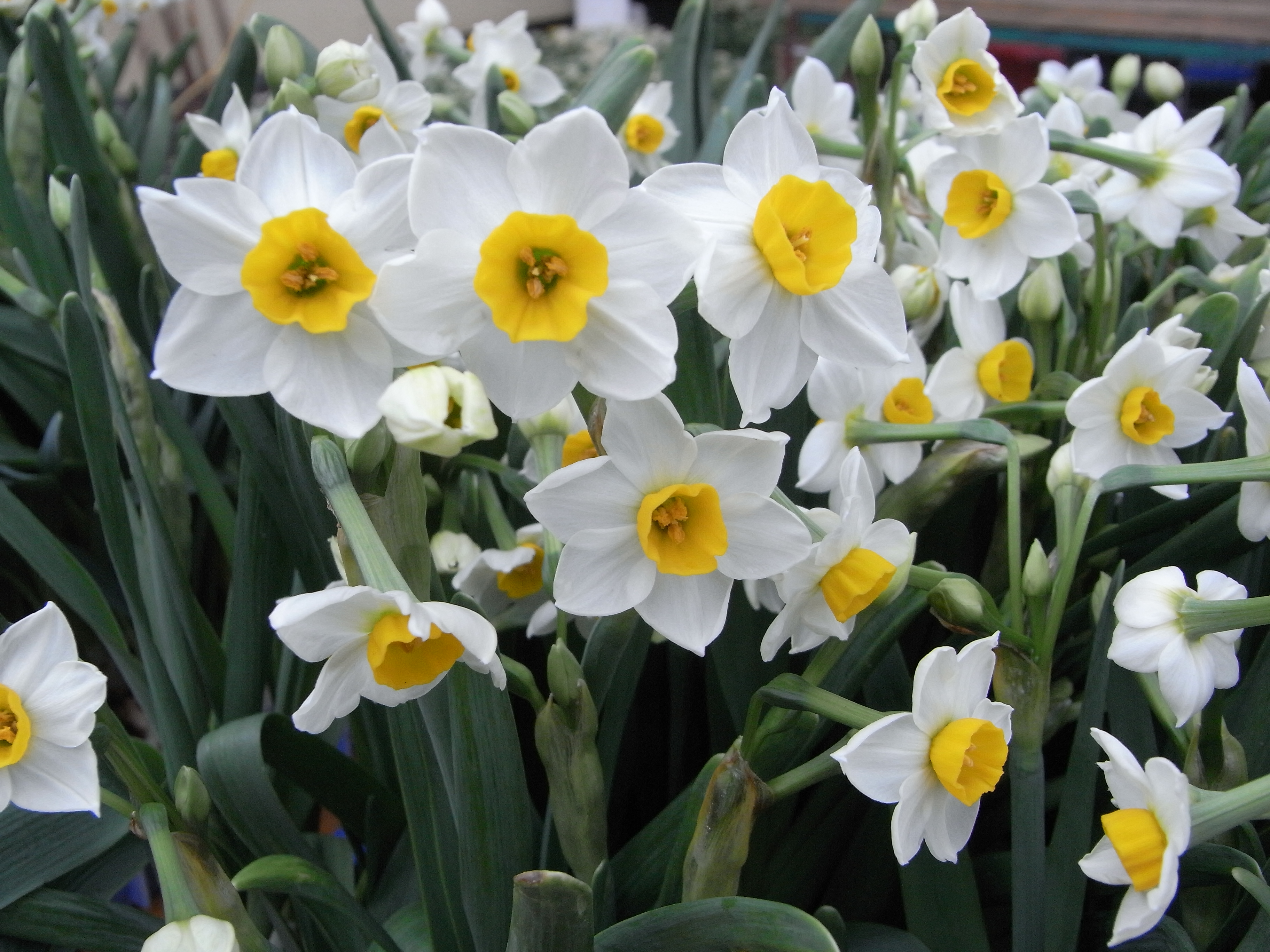
7. Eucalyptus
Eucalyptus is one of the most powerful plants for repelling mice. While humans often find its scent refreshing and calming, rodents find it
overwhelming and uncomfortable.
You can plant eucalyptus outdoors or place potted eucalyptus plants indoors to freshen the air and deter pests. However, it’s important to
note that eucalyptus can be toxic to pets such as cats and dogs, so use caution if animals are present in your home.
8. Lily of the Valley
Lily of the Valley is admired for its delicate appearance and sweet fragrance, but mice strongly dislike its scent. This plant creates an
environment that rodents perceive as unsafe, making it an effective natural deterrent.
Planting Lily of the Valley around your home not only enhances garden beauty but also helps keep mice at a distance during its blooming
season.
9. Lavender
Lavender is beloved for its calming scent, stress-relieving properties, and sleep benefits for humans. Mice, however, strongly avoid it.
Many people use lavender essential oil to repel rodents, but growing lavender plants around your home offers the same benefit naturally.
Lavender also helps repel other insects, making it a valuable addition to gardens and balconies.
How to Protect Your Vegetable Garden From Mice
Mice are especially attracted to vegetable gardens, where they can destroy crops by gnawing plants down to the roots. Their activity not only
damages produce but can also introduce harmful bacteria and diseases.
To protect your garden, consider planting aromatic deterrent plants such as mint, basil, onions, lemongrass, rosemary, or eucalyptus around
the perimeter. In addition, the following strategies can provide extra protection:
Install garden netting:
Fine-mesh netting prevents mice from accessing plants while allowing airflow and sunlight. Secure the netting firmly and inspect it regularly
for damage.
Use greenhouses or tunnels:
Growing vegetables in enclosed spaces offers the highest level of protection. While more expensive, this method fully shields plants from
rodents and allows better environmental control.
Final Thoughts
Using plants to repel mice is a natural, safe, and effective approach that benefits both your home and the environment. By combining
aromatic plants with smart garden protection strategies, you can significantly reduce rodent problems without resorting to toxic chemicals.
With the right plant choices, your home can remain both beautiful and mouse-free naturally.