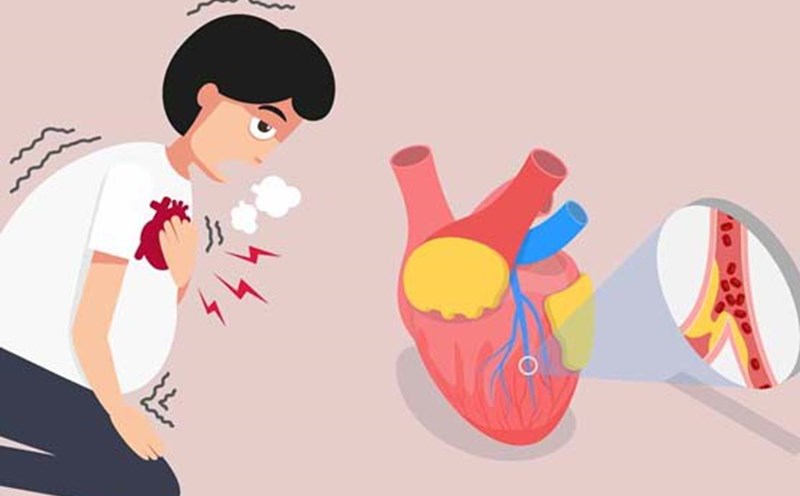
A heart attack is one of the most serious medical emergencies and remains a leading cause of death worldwide. It occurs when blood flow to a part of the heart becomes blocked, preventing oxygen from reaching the heart muscle. When this happens, the affected part of the heart may begin to suffer damage if blood flow is not restored quickly.
While heart attacks can sometimes occur suddenly, many people experience warning signs days or even weeks beforehand. These symptoms may be subtle and are sometimes mistaken for less serious conditions such as fatigue, indigestion, or stress. Recognizing these early signals can be important because seeking medical attention early may help prevent serious complications.
Below are ten possible signs that the body may show before a heart attack. It is important to remember that these symptoms can vary from person to person, and experiencing them does not necessarily mean a heart attack will occur. However, persistent or unusual symptoms should always be evaluated by a healthcare professional.
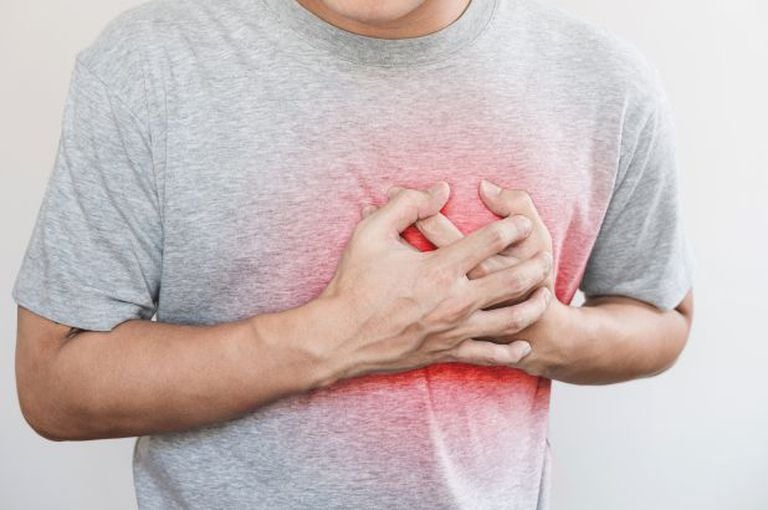
1. Chest Discomfort or Pressure
One of the most well-known warning signs of heart problems is chest discomfort.
This sensation may feel like:
-
Pressure
-
Tightness
-
Squeezing
-
Burning
The discomfort may appear in the center or left side of the chest and may come and go. Some people describe it as a feeling of heaviness or fullness in the chest.
Although chest pain is a common symptom of heart attacks, it does not always occur in the same way for everyone.
2. Unusual Fatigue
Feeling unusually tired without a clear reason can sometimes be an early warning sign.
This type of fatigue may feel different from normal tiredness. People may experience:
-
Persistent exhaustion
-
Difficulty performing routine activities
-
Feeling unusually drained after minimal effort
Fatigue may occur because the heart is working harder to pump blood when circulation is reduced.
3. Shortness of Breath
Another potential warning sign is shortness of breath, even during mild physical activity or while resting.
Some people notice difficulty breathing when climbing stairs, walking short distances, or lying down.
Shortness of breath may occur when the heart is not pumping efficiently, causing fluid to build up in the lungs.
4. Pain in the Arms, Neck, or Back
Heart-related pain does not always stay in the chest. It can radiate to other parts of the body.
Common areas where pain may spread include:
-
Left arm
-
Both arms
-
Neck
-
Jaw
-
Upper back
-
Shoulders
This discomfort may feel dull, aching, or pressure-like rather than sharp.
5. Dizziness or Lightheadedness
Feeling dizzy or lightheaded may also occur before a heart attack.
This sensation may happen because the brain is receiving less oxygen-rich blood due to reduced circulation.
Some people may also experience episodes of faintness or instability.
6. Nausea or Digestive Discomfort
Some individuals experience stomach-related symptoms before a heart attack.
These may include:
-
Nausea
-
Indigestion
-
Upset stomach
-
Abdominal discomfort
Because these symptoms resemble common digestive issues, they are sometimes overlooked or mistaken for minor stomach problems.
7. Cold Sweats
Sudden sweating without physical exertion may be another warning sign.
Cold sweats often appear as a sudden onset of sweating accompanied by a clammy or cold feeling on the skin.
This symptom may occur when the body is under stress due to reduced blood flow to the heart.
8. Sleep Disturbances
Some people report changes in sleep patterns before experiencing heart-related issues.
These changes may include:
-
Difficulty falling asleep
-
Waking frequently during the night
-
Feeling restless or uncomfortable during sleep
Although sleep disturbances can occur for many reasons, persistent changes combined with other symptoms may warrant medical attention.
9. Swelling in the Legs or Feet
Swelling in the lower body may occur when the heart struggles to pump blood effectively.
Fluid may accumulate in the legs, ankles, or feet, causing noticeable swelling.
While this symptom is more commonly associated with heart failure, it can sometimes occur alongside other heart-related problems.
10. A Sense of Anxiety or Unusual Discomfort
Some people describe a feeling of unexplained anxiety or a sense that something is not right before a heart attack occurs.
Although anxiety can have many causes, sudden and unexplained feelings of unease combined with physical symptoms should not be ignored.
Why Early Recognition Matters
Recognizing possible warning signs early can be important because prompt medical care may help reduce damage to the heart.
Heart disease often develops gradually over time, and early symptoms may provide opportunities for intervention and treatment.
Seeking medical advice when unusual symptoms occur may help identify potential problems before they become severe.
Risk Factors for Heart Disease
Several factors may increase the risk of heart attacks, including:
-
High blood pressure
-
High cholesterol
-
Smoking
-
Diabetes
-
Obesity
-
Lack of physical activity
-
Chronic stress
Managing these risk factors through healthy lifestyle choices can help reduce the likelihood of heart-related problems.
Lifestyle Habits That Support Heart Health
Maintaining heart health involves a combination of healthy habits.
Helpful practices include:
-
Eating a balanced diet rich in fruits and vegetables
-
Engaging in regular physical activity
-
Maintaining a healthy body weight
-
Avoiding tobacco use
-
Managing stress effectively
-
Getting regular medical checkups
These habits help support cardiovascular health and reduce the risk of heart disease.
Final Thoughts
The body often sends signals when something is not functioning properly. While not all symptoms indicate a heart attack, certain warning signs—such as chest discomfort, unusual fatigue, shortness of breath, and dizziness—should not be ignored.
Being aware of these potential signals and seeking medical advice when necessary can play an important role in protecting heart health.
Understanding the early signs of heart problems empowers individuals to take proactive steps toward maintaining a healthy heart and overall wellbeing.