What Frequent Nail Splitting Could Be Telling You About Your Body?
Why Your Nails Keep Splitting or Breaking and What It May Mean for Your Health?
Health 10/03/2026 15:28
Headphones have become an essential part of modern life. Whether listening to music, watching videos, attending online meetings, or making phone calls, millions of people use headphones every day. With smartphones, tablets, and computers now part of daily routines, headphones offer convenience, privacy, and high-quality sound wherever we go.
However, while headphones provide many benefits, using them incorrectly or excessively may pose risks to hearing health. Hearing loss related to prolonged exposure to loud sounds has become an increasing concern, especially among young people who frequently use personal audio devices.
Understanding how headphones affect the ears and learning safe listening habits can help prevent long-term damage and protect hearing for years to come.
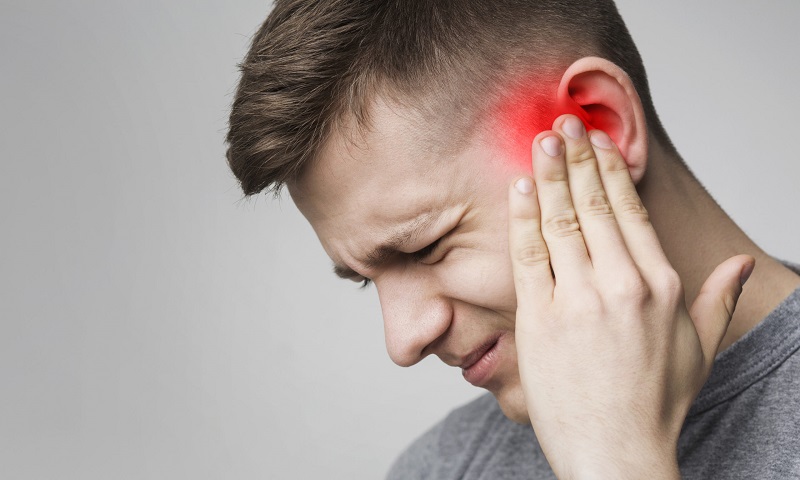
To understand why headphone misuse can be harmful, it is helpful to know how the ear processes sound.
The ear is made up of three main parts:
The outer ear
The middle ear
The inner ear
Sound waves enter through the outer ear and travel through the ear canal until they reach the eardrum. Vibrations from the eardrum are transmitted through tiny bones in the middle ear and then reach the inner ear.
Inside the inner ear are delicate hair-like structures called hair cells. These cells convert sound vibrations into electrical signals that are sent to the brain, allowing us to hear.
These hair cells are extremely sensitive. When exposed to loud noise for extended periods, they can become damaged or destroyed. Unfortunately, once these cells are damaged, they do not regenerate.
This is why protecting hearing is so important.
Headphones deliver sound directly into the ear canal, which means the ears receive sound at a very close distance.
When volume levels are too high, the intensity of sound reaching the inner ear can increase significantly.
Several factors contribute to the risk of hearing damage from headphone use:
High volume levels
Long listening durations
Poor-quality audio equipment
Noisy environments that encourage louder listening
Over time, these factors can place stress on the delicate structures of the inner ear.
Hearing damage from loud noise often occurs gradually. Many people may not notice changes until significant hearing loss has already occurred.
Common signs of early hearing damage include:
Ringing in the ears (tinnitus)
Difficulty hearing conversations in noisy environments
Needing to increase volume levels frequently
Feeling that sounds are muffled
Repeated exposure to loud sounds may lead to noise-induced hearing loss, a condition that can affect people of all ages.
One of the most common mistakes people make when using headphones is setting the volume too high.
Modern smartphones and music players can produce sound levels that exceed safe listening limits. When headphones are used at high volumes for extended periods, the ears may receive sound levels that are harmful.
Health experts often recommend keeping volume levels at no more than about 60 percent of the maximum volume when using personal audio devices.
Another important factor is the duration of headphone use.
Even moderate sound levels can become harmful if exposure lasts for long periods without breaks.
Listening to audio continuously for several hours may increase the risk of hearing fatigue and long-term damage.
Taking regular breaks allows the ears time to recover and reduces strain on the auditory system.
Many people increase headphone volume when they are in noisy places such as public transportation, busy streets, or crowded rooms.
Because background noise competes with the audio being played, listeners may turn the volume higher than necessary in order to hear clearly.
This behavior can significantly increase sound exposure.
Using noise-canceling headphones or reducing background noise when possible may help lower the need for high volume levels.

Different types of headphones can affect listening habits in different ways.
Earbuds sit directly inside the ear canal and deliver sound very close to the eardrum. Because of this proximity, high volume levels may have a stronger impact on hearing.
Over-ear headphones cover the ears and often provide better sound isolation. This may allow users to listen at lower volumes compared to earbuds.
Noise-canceling technology reduces background noise, allowing users to hear audio clearly without increasing the volume.
Choosing the right type of headphones may help promote safer listening habits.
Protecting hearing does not require giving up headphones altogether. Instead, adopting healthy listening habits can reduce the risk of damage.
Some helpful tips include:
Many experts recommend the 60/60 rule, which suggests listening at no more than 60 percent of maximum volume for no longer than 60 minutes at a time before taking a break.
Allowing the ears to rest between listening sessions can reduce auditory fatigue and give the inner ear time to recover.
Keeping the volume at comfortable levels rather than maximum settings helps prevent excessive sound exposure.
Better headphones may provide clearer sound at lower volumes, reducing the need to increase loudness.
If you notice ringing in the ears, muffled hearing, or discomfort after using headphones, it may be a sign that the listening level was too high.
Hearing is a vital sense that allows people to communicate, enjoy music, and stay aware of their surroundings. Unlike many other health conditions, hearing loss caused by noise exposure is often permanent and irreversible.
Because of this, prevention is the best strategy.
By using headphones responsibly and maintaining safe listening habits, individuals can continue to enjoy their favorite music and audio content without putting their hearing at risk.
Headphones offer convenience and entertainment, but using them improperly may lead to hearing damage over time. Loud volume levels, long listening sessions, and noisy environments can all increase the risk of noise-induced hearing loss.
Fortunately, simple habits—such as reducing volume, taking breaks, and choosing appropriate headphones—can make a significant difference in protecting hearing health.
Being aware of how everyday technology affects our bodies helps ensure that we can continue to enjoy the sounds of life for many years to come.
Why Your Nails Keep Splitting or Breaking and What It May Mean for Your Health?

Male Papaya Flowers: A Traditional Ingredient With Potential Health Benefits
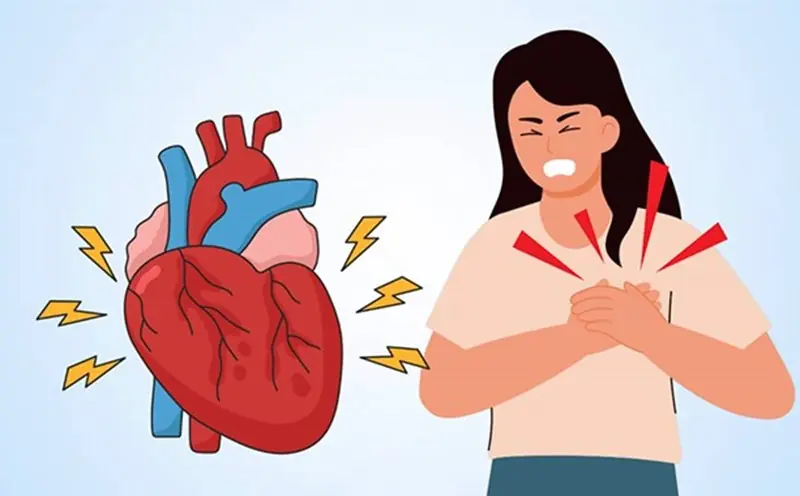
10 Early Warning Signals That May Occur Before a Heart At.tack

Going to Bed at This Time May Help Lower Your Risk of Heart Disease, Study Says
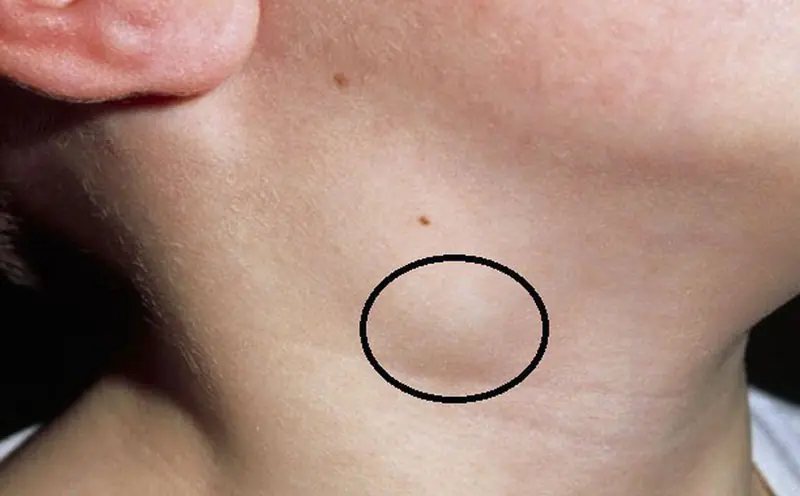
Nasopharyngeal Cancer: The Early Warning Sign Many People Overlook

Experts Warn About 5 Common Foods That May Harm the Liver

The World Health Organization (WHO), the World Heart Federation, and the American Heart Association estimate that heart failure (HF) is a global pandemic affecting at least 26 million people worldwide, and its prevalence is rapidly increasing, according t
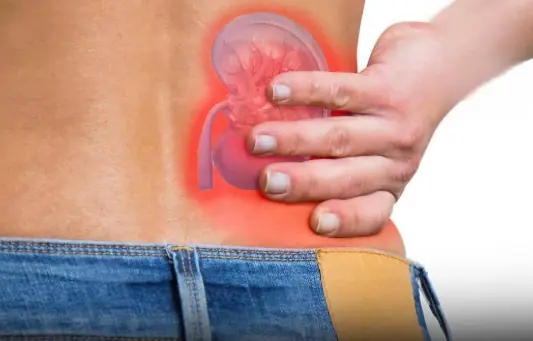
Kidney stones, also known as renal calculi, occur when minerals in urine are deposited in the kidneys, bladder, ureters, etc., forming solid crystals ranging in size from a few mm to a few cm.

Soong Mei-ling, an emblematic figure of 20th-century China and the esteemed wife of President Chiang Kai-shek, not only made her mark as one of the most influential women in modern Chinese history but also astonished the world by living until the age of 1
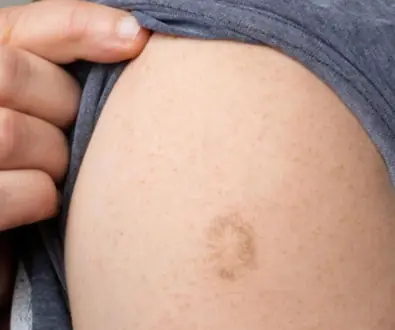
If you're older, you likely received the smallpox vaccine as a child, leaving behind a small pea-sized scar on your arm.

Doctors say the truth might surprise you.

How Traditional Wisdom Used It — and How to Benefit Safely Today

Health Benefits of the Key Ingredients

The black vein in shrimp explained: What it is and whether you should remove it
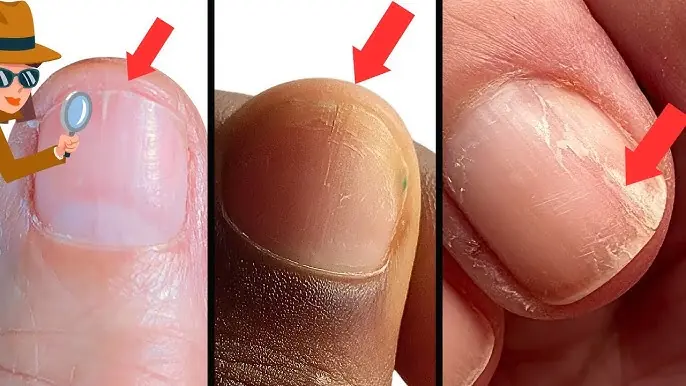
Do Your Nails Keep Breaking or Splitting? It Could Be a Warning Sign From Your Body.
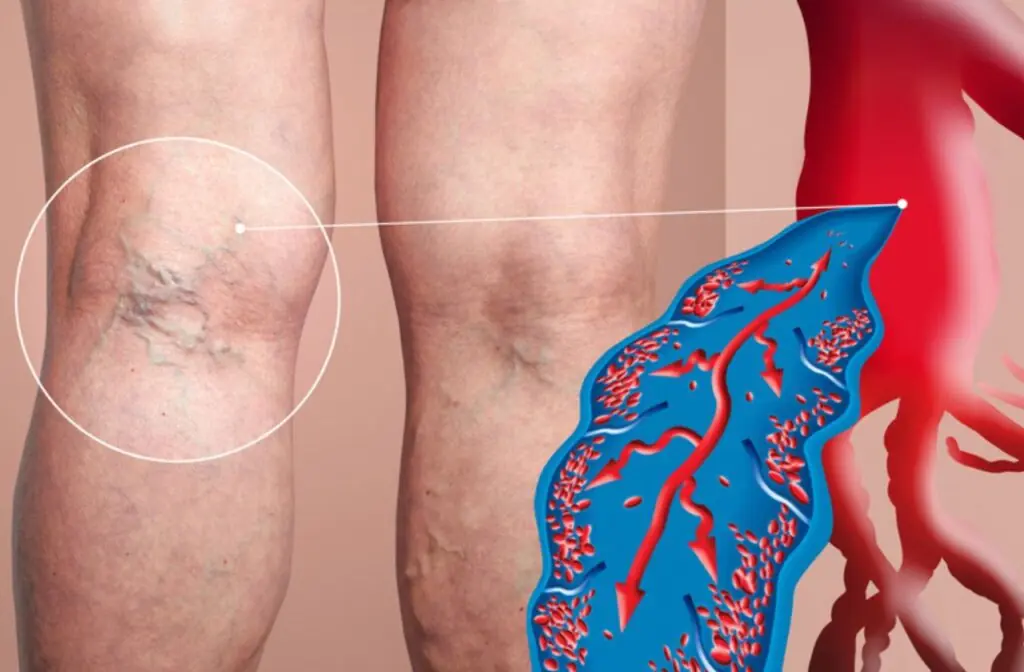
If You Notice These Nighttime Symptoms, Your Legs and Feet May Have Poor Circulation

What It Might Mean When a Lizard Appears in Your House?
Why Your Nails Keep Splitting or Breaking and What It May Mean for Your Health?
Male Papaya Flowers: A Traditional Ingredient With Potential Health Benefits
10 Early Warning Signals That May Occur Before a Heart At.tack
Going to Bed at This Time May Help Lower Your Risk of Heart Disease, Study Says
Nasopharyngeal Cancer: The Early Warning Sign Many People Overlook

Waking Up at 3 or 4 a.m.? It Could Be a Sign You Shouldn’t Ignore
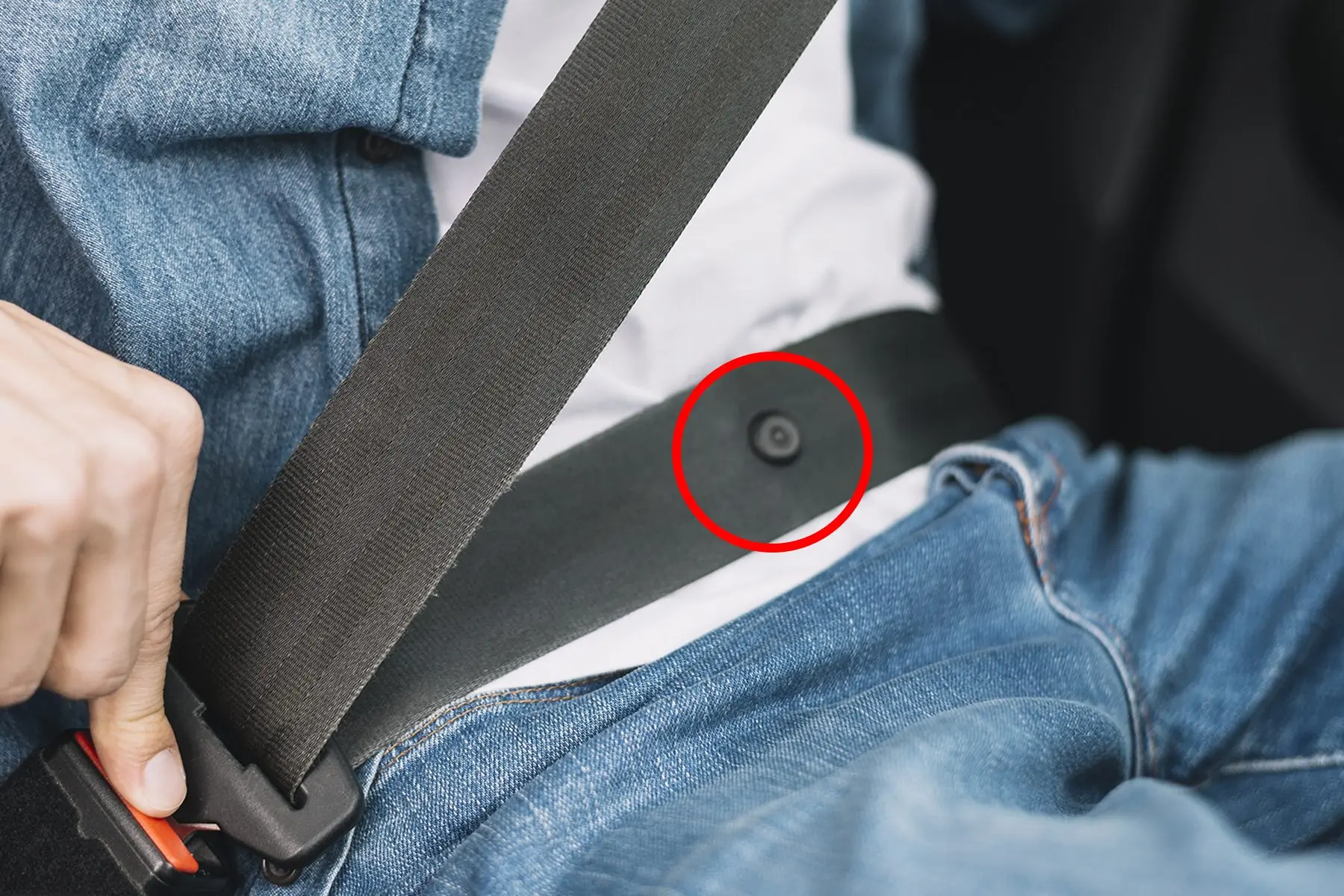
After 50 years, I've only just learned what that little button on the seatbelt is for!
Experts Warn About 5 Common Foods That May Harm the Liver
The World Health Organization (WHO), the World Heart Federation, and the American Heart Association estimate that heart failure (HF) is a global pandemic affecting at least 26 million people worldwide, and its prevalence is rapidly increasing, according t
Kidney stones, also known as renal calculi, occur when minerals in urine are deposited in the kidneys, bladder, ureters, etc., forming solid crystals ranging in size from a few mm to a few cm.
Soong Mei-ling, an emblematic figure of 20th-century China and the esteemed wife of President Chiang Kai-shek, not only made her mark as one of the most influential women in modern Chinese history but also astonished the world by living until the age of 1

🏠 What It Means When You See a Centipede in Your Home
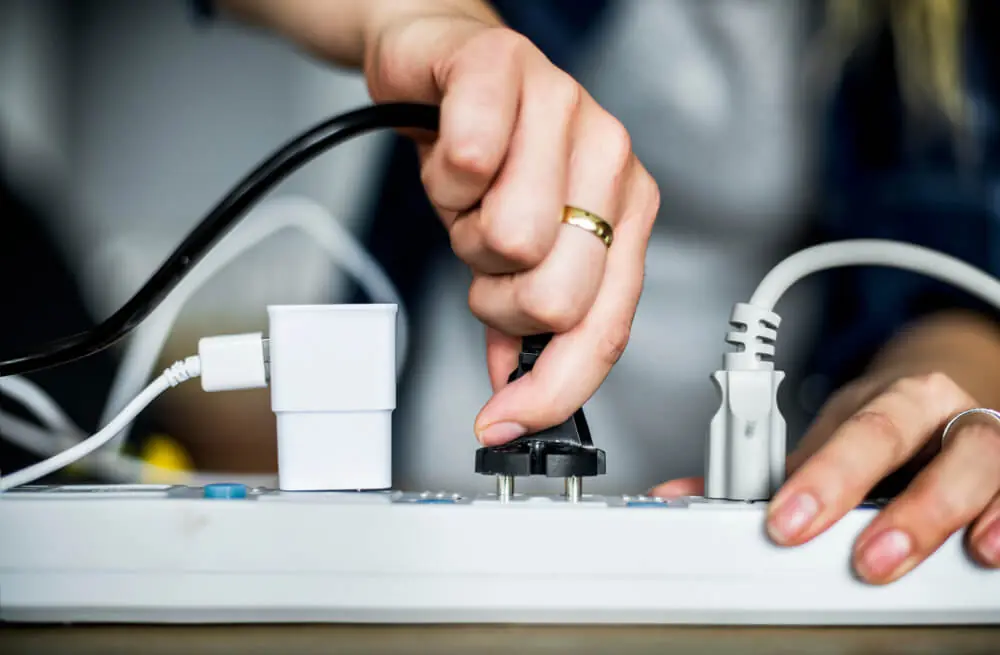
The Biggest Power Consumer in Your Home Might Not Be the Air Conditioner
If you're older, you likely received the smallpox vaccine as a child, leaving behind a small pea-sized scar on your arm.
Doctors say the truth might surprise you.
How Traditional Wisdom Used It — and How to Benefit Safely Today