8 Signs of Kidney Failure That, If Ignored, May Require Lifelong Dialysis
Kidney failure rarely happens overnight. In most cases, the body sends clear warning signs months or even years in advance. The problem is that many of these symptoms are subtle, easy to ignore, or mistaken for everyday fatigue, aging, or stress. By the time kidney failure is diagnosed, the damage may already be severe—sometimes irreversible.
Understanding these early signals is critical. Ignoring them could mean permanent kidney damage and a lifetime of dialysis. Below are eight important warning signs that should never be overlooked.

1. Persistent Lower Back or Side Pain
Pain near the lower back, sides, or just below the ribs can signal kidney stress. Unlike muscle pain, kidney-related pain often feels deep, dull, and constant, sometimes radiating toward the abdomen or groin.
This discomfort may worsen at night or remain unchanged by movement. Chronic kidney inflammation, infections, or obstruction can all cause this type of pain.
2. Swelling in the Legs, Ankles, or Feet
Healthy kidneys remove excess fluid from the body. When they fail, fluid builds up, leading to swelling—especially in the lower limbs.
Shoes may feel tighter, socks may leave deep marks, and swelling often worsens by evening. Persistent edema is one of the most common early signs of kidney failure.
3. Changes in Urination Patterns
Any noticeable change in urination deserves attention. Warning signs include:
-
Urinating more or less frequently
-
Foamy or bubbly urine
-
Dark, cloudy, or bloody urine
-
Difficulty urinating or weak urine flow
Foamy urine may indicate protein leakage, a strong sign that kidney filters are damaged.
4. Extreme Fatigue and Weakness
When kidneys fail, toxins accumulate in the bloodstream. This leads to chronic fatigue, weakness, and difficulty concentrating.
Additionally, damaged kidneys produce less erythropoietin, a hormone that helps make red blood cells. Low levels can cause anemia, making exhaustion persistent even after rest.
5. Persistent Itching and Dry Skin
Severe, unexplained itching—especially on the legs and feet—can be a sign of advanced kidney dysfunction.
When kidneys cannot balance minerals properly, waste products build up in the blood, irritating nerve endings and skin. Unlike common dry skin, this itching often doesn’t respond to lotions or hydration.
6. Nausea, Vomiting, or Loss of Appetite
Digestive symptoms are common but frequently ignored. Kidney failure can cause:
-
Constant nausea
-
Vomiting without clear cause
-
Metallic taste in the mouth
-
Sudden loss of appetite
These symptoms occur because toxins affect the digestive system and brain. Over time, this may lead to unintended weight loss and malnutrition.
7. Shortness of Breath
Breathing difficulties may appear when fluid accumulates in the lungs or when anemia reduces oxygen delivery to tissues.
Shortness of breath during minimal activity—or even at rest—can signal advanced kidney damage and should be treated as an urgent warning.
8. Trouble Sleeping or Mental Fog
Kidney failure affects the nervous system. Many people experience:
-
Insomnia
-
Restless legs
-
Poor memory
-
Difficulty focusing
Toxin buildup disrupts normal brain function, leading to confusion, sleep disturbances, and reduced mental clarity.
Why Ignoring These Signs Is Dangerous
Kidney disease is often called a “silent killer” because early symptoms can be mild. Unfortunately, kidneys do not regenerate easily. Once damage progresses to end-stage kidney failure, dialysis or transplant becomes the only option.
Dialysis is life-sustaining but demanding, requiring multiple treatments each week—often for life.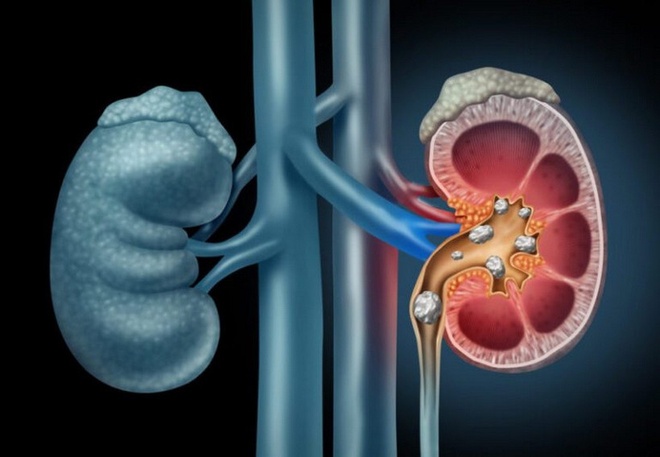
When to Seek Medical Help
You should consult a healthcare professional immediately if:
-
Multiple symptoms appear together
-
Symptoms worsen over time
-
Swelling, fatigue, or urination changes persist
Simple blood and urine tests can detect kidney problems early—when treatment can still slow or stop progression.
Final Thought
Your kidneys work silently every day to keep your body balanced and toxin-free. When they begin to fail, the signs are there—you just have to listen.
Paying attention to these warning signals today could prevent dialysis tomorrow. Early action doesn’t just protect your kidneys—it protects your future.