Three Drinks Known as “Calcium Depleters” That Many People Still Love: The More You Drink, the More Brittle Your Bones Become
These beverages can significantly deplete calcium in your body if consumed in excess.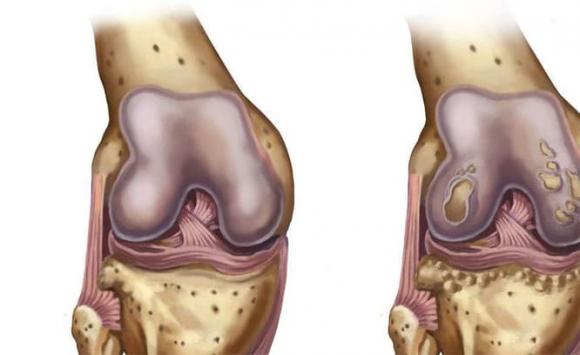
As quality of life improves, the number of people suffering from osteoporosis continues to rise. According to a well-known Chinese medical journal, this condition not only reduces quality of life but also places a heavy psychological burden on patients. However, osteoporosis is difficult to detect early, which is why prevention remains the safest and most effective way to protect bone health.
Many studies have shown that, besides age, lifestyle and dietary habits play a crucial role in the development of osteoporosis. Below are three common drinks that can “leach” calcium from the body—yet many people are unaware of their harmful effects:
1. Carbonated Soft Drinks
Endocrinologist Dr. Felicia Cosma, Clinical Professor of Medicine at Columbia University in New York, considers soft drinks to be one of the factors that accelerate calcium loss and negatively affect bone health. According to her, frequent consumption of carbonated beverages is associated with reduced bone density and an increased risk of fractures. These drinks also increase calcium excretion through urine.
Many studies indicate that carbonated soft drinks contain phosphoric acid, which disrupts the balance between calcium and phosphorus in the body. To restore balance, the body draws calcium from the bones, leading to calcium deficiency. In addition, refined sugar in soft drinks inhibits calcium absorption in the small intestine.
A study published in the American Journal of Clinical Nutrition in September 2014 found that the more carbonated soft drinks participants consumed, the higher their risk of hip fractures. Therefore, to protect bone and joint health, it is best to limit soft drink intake—especially carbonated varieties.
2. Alcohol
Excessive alcohol consumption can reduce bone density, inhibit new bone formation, increase the risk of fractures, and slow bone healing after fractures occur. To maintain healthy bones, it is best to avoid alcohol altogether. Moreover, alcohol harms many other organs, making avoidance the healthiest choice.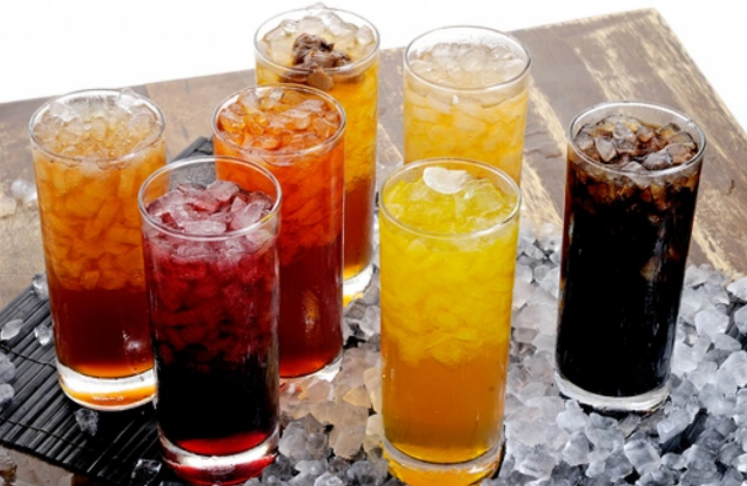
3. Coffee
Coffee is a familiar beverage, but excessive consumption can interfere with calcium absorption. Caffeine not only reduces calcium absorption in the intestines but also increases calcium excretion, contributing to osteoporosis.
In addition, excessive caffeine intake may cause muscle twitching. Some people may also experience muscle aches during caffeine withdrawal. Therefore, coffee should be consumed in moderation—about 2–3 cups per day—to help protect bone and joint health.
Three Important Things to Remember to Prevent Osteoporosis
1. Check Bone Density Regularly
As people age, bones undergo more changes. Regular bone density testing is an important measure for early detection of osteoporosis risk and allows timely lifestyle adjustments. This is a common screening item for older adults.
2. Ensure Adequate Nutrient Intake
After the age of 30, bone density begins to decline as bone cell activity weakens. Without healthy eating habits, the risk of osteoporosis increases—especially among middle-aged and elderly individuals.
Food is the safest and most effective source of nutrients. In addition to calcium, the body also needs omega-3 fatty acids, vitamins, and other minerals to enhance calcium absorption and support anti-inflammatory processes. Daily meals should include foods such as milk, green vegetables, salmon, and fresh fruits to strengthen bone health.
3. Exercise Regularly
Exercise promotes blood circulation, increases calcium absorption, and slows bone aging. During physical activity, mechanical stress on bones stimulates osteoblasts and growth factors to become more active, thereby improving bone density and strength.
In addition, regular exercise boosts appetite, supports nutrient absorption, and helps replenish essential micronutrients such as calcium and phosphorus.