Pinworms: How to Recognize the Symptoms and Stop the Spread
Pinworms are one of the most common parasitic infections worldwide, especially among children—but adults are not immune. Despite being relatively harmless in most cases, they can cause intense discomfort, sleep disturbances, and rapid spread within households if not treated properly.
Understanding how pinworms work, how to recognize the symptoms early, and how to stop transmission is essential to protect both personal and family health.
What Are Pinworms?

 4
4
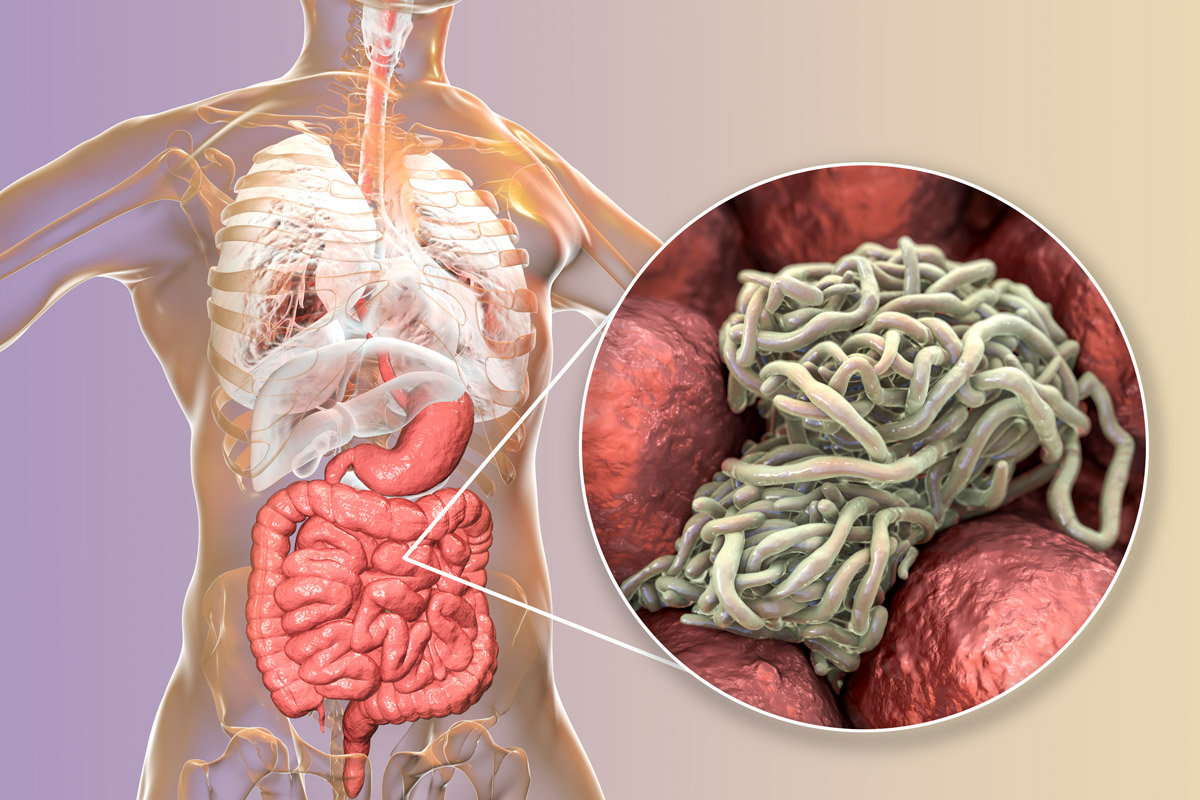
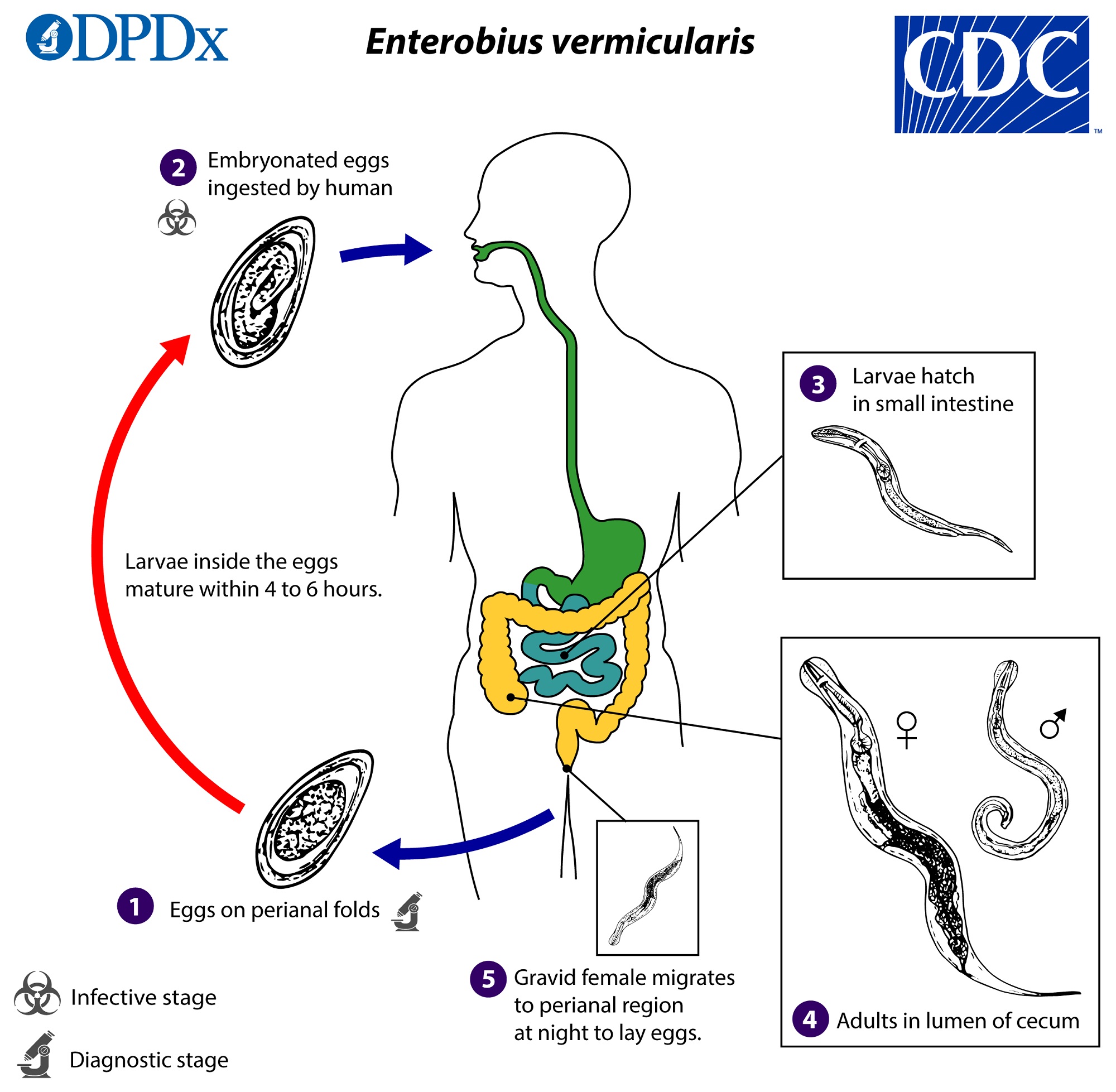
Pinworms (scientifically known as Enterobius vermicularis) are tiny, thin, white worms that live in the human intestines. At night, female worms travel to the anal area to lay eggs, which causes the most noticeable symptom—itching.
They spread easily through:
- Contaminated hands
- Food or surfaces
- Bedding, clothing, or toys
Because the eggs are microscopic, they can be transferred without being seen.
Common Symptoms of Pinworms
1. Intense Itching Around the Anus (Especially at Night)
This is the most classic sign. The itching often becomes worse during the night when the worms lay eggs, leading to discomfort and restless sleep.
2. Disturbed Sleep and Irritability
Due to itching, many people—especially children—experience poor sleep, frequent waking, and mood changes during the day.
3. Visible Worms in Stool or Around the Anal Area
In some cases, tiny white thread-like worms may be seen:
- In stool
- On underwear
- Around the anal region
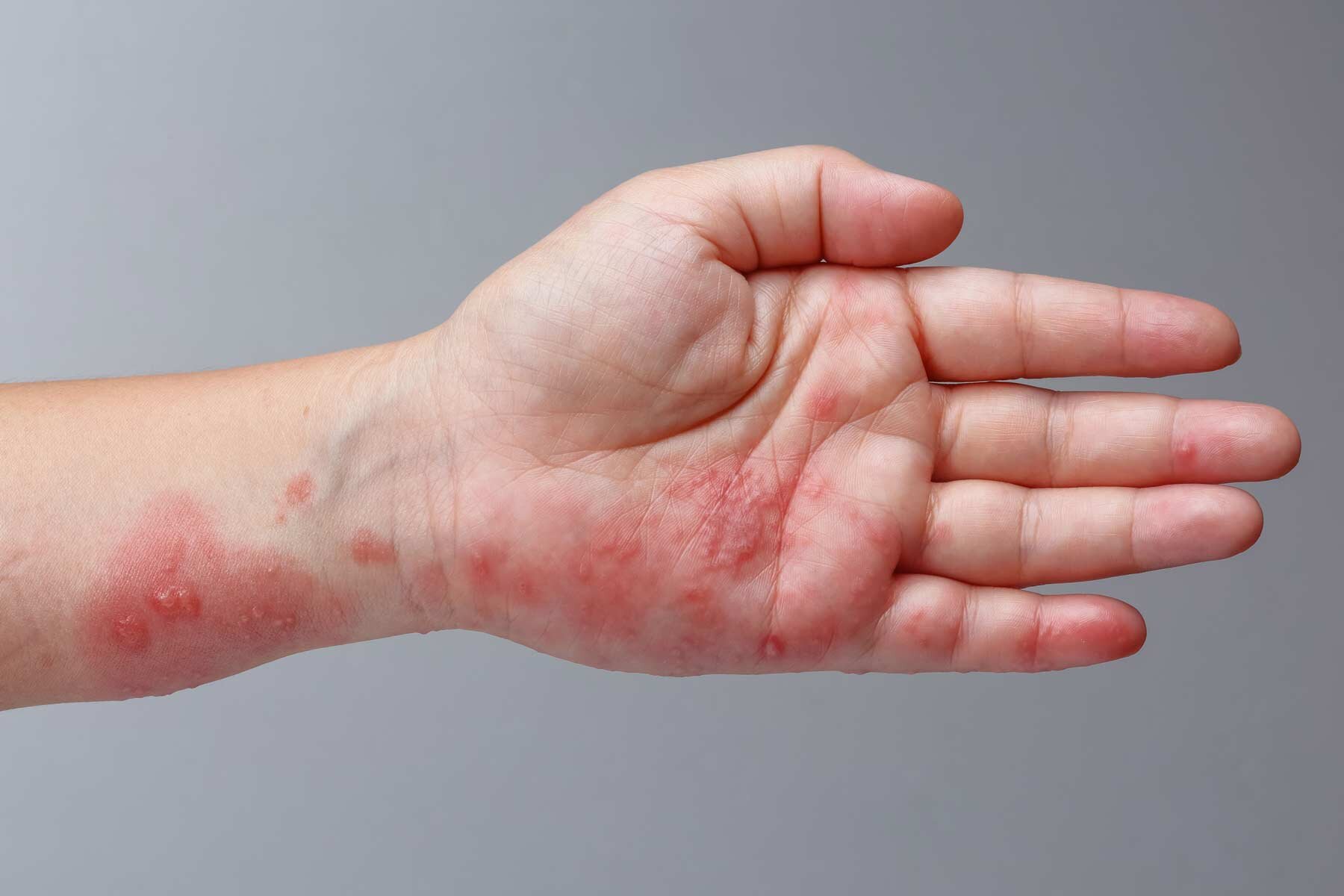
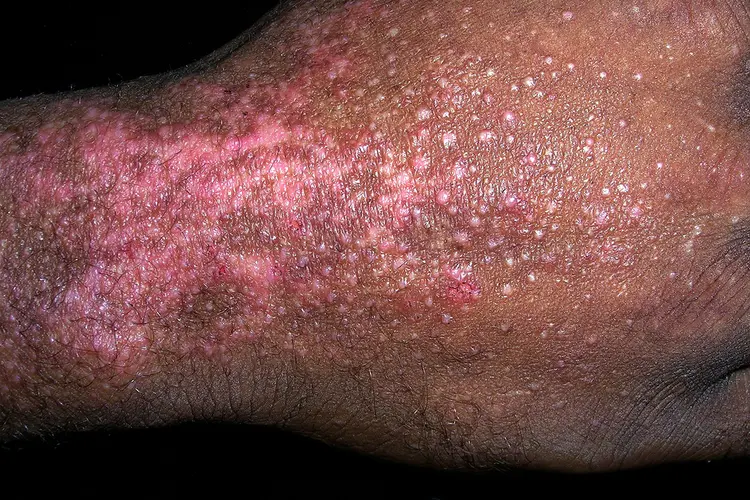
4. Skin Irritation or Rash

 4
4
Frequent scratching can lead to:
- Redness
- Skin inflammation
- Secondary bacterial infections
5. Abdominal Discomfort
Though less common, some individuals may experience:
- Mild stomach pain
- Nausea
- Loss of appetite
6. Grinding Teeth or Restlessness at Night (Children)
Some children may show unusual nighttime behaviors, including teeth grinding or tossing and turning.
How Do Pinworms Spread So Easily?
Pinworms are highly contagious due to their simple life cycle:
- Eggs are laid around the anal area
- Scratching transfers eggs to fingers
- Eggs spread to surfaces, food, or objects
- Another person ingests the eggs unknowingly
This cycle can repeat quickly, especially in shared living spaces.
How to Stop the Spread
1. Practice Strict Hand Hygiene
- Wash hands thoroughly with soap and water
- Especially after using the toilet and before eating
2. Keep Nails Short and Clean
Eggs can hide under fingernails, making transmission easier.
3. Wash Bedding and Clothes Frequently

 4
4
- Use hot water
- Change underwear daily
- Clean towels and pajamas regularly
4. Avoid Scratching
Though difficult, reducing scratching helps prevent spreading eggs.
5. Clean Household Surfaces
Regularly disinfect:
- Bathroom areas
- Toys
- Frequently touched surfaces
6. Treat All Household Members
Even if only one person shows symptoms, everyone in close contact may need treatment to prevent reinfection.
Treatment Options
Pinworm infections are usually treated with over-the-counter or prescribed medications that kill the worms. A second dose is often required after two weeks to eliminate any newly hatched worms.
However, medication alone is not enough—hygiene measures must be followed strictly to prevent recurrence.
When to See a Doctor
Seek medical advice if:
- Symptoms persist after treatment
- There is severe irritation or infection
- The condition keeps recurring
Final Thoughts
Pinworms may be small, but their impact can be surprisingly disruptive. The key to managing them is early recognition and strict hygiene practices.
While the infection is common and treatable, ignoring symptoms can lead to repeated cycles of reinfection—especially within families.
Stay alert, act quickly, and maintain good hygiene habits to keep pinworms under control and protect overall well-being.