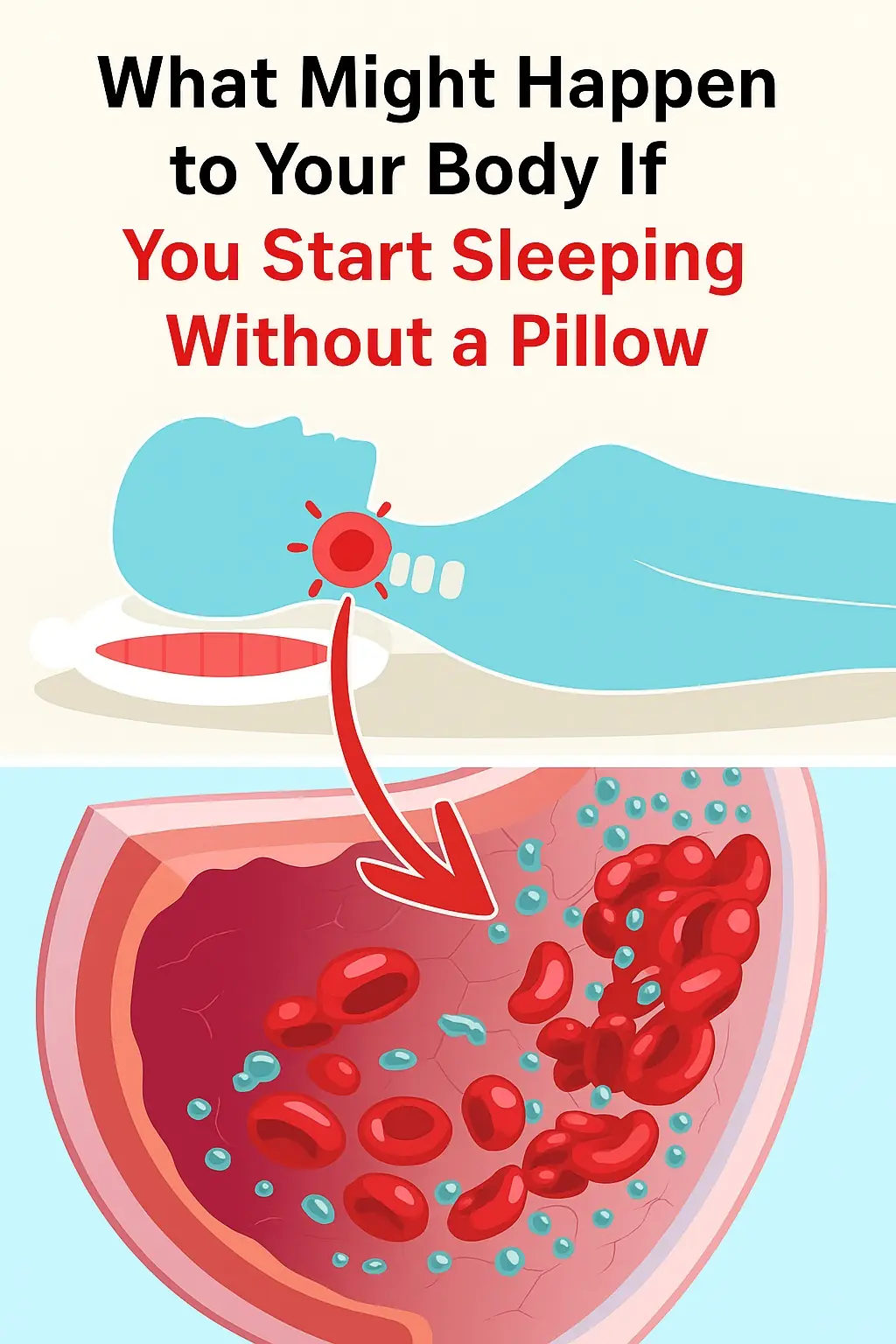
Sleeping without a pillow may sound uncomfortable to some, but for others it feels natural or even beneficial. In recent years, more people have begun questioning whether pillows are truly necessary and what actually happens to the body when you sleep without one.
The answer is not one-size-fits-all. Sleeping without a pillow can have both benefits and drawbacks, depending on your sleep position, spinal alignment, and individual health conditions. Understanding how your body responds can help you decide what works best for you.
Why Pillows Matter in the First Place
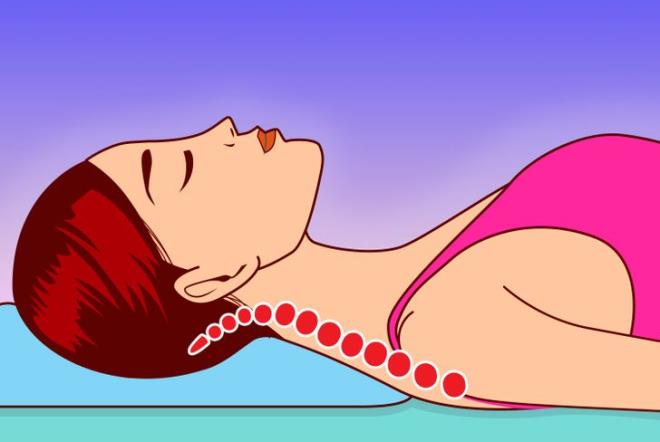
A pillow’s primary function is to support the natural curve of the neck and spine while you sleep. When the head, neck, and spine are properly aligned, muscles can relax, joints are protected, and pressure on nerves is reduced.
Removing a pillow changes this alignment and the effects can be positive or negative depending on how you sleep.
Potential Benefits of Sleeping Without a Pillow
1. Improved Spinal Alignment for Stomach Sleepers
For people who sleep on their stomach, using a pillow can force the neck into an unnatural backward bend. This places strain on the cervical spine and surrounding muscles.
Sleeping without a pillow:
-
Keeps the neck closer to a neutral position
-
Reduces excessive neck extension
-
May relieve neck stiffness and morning pain
For stomach sleepers, no pillow or a very thin pillow can be more supportive than a thick one.
2. Reduced Neck and Shoulder Tension (In Some People)
Some individuals experience chronic neck or shoulder tightness due to poor pillow height or firmness. Removing the pillow can sometimes:
-
Reduce muscle tension
-
Decrease pressure on the shoulders
-
Allow muscles to relax more naturally
This is especially true if the pillow previously caused the head to tilt too far forward or sideways.
3. Possible Reduction in Facial Pressure and Wrinkles
Sleeping without a pillow may reduce prolonged pressure on the face, particularly for side sleepers who notice facial creases upon waking.
Some believe this may:
-
Reduce sleep-related facial compression
-
Minimize irritation or acne caused by pillow contact
However, evidence for wrinkle prevention is limited and largely anecdotal.
4. Improved Posture Awareness
Without a pillow, sleepers may become more conscious of their sleeping posture and adjust naturally to more comfortable positions.
Potential Risks of Sleeping Without a Pillow
1. Neck Pain and Stiffness (Especially for Back and Side Sleepers)
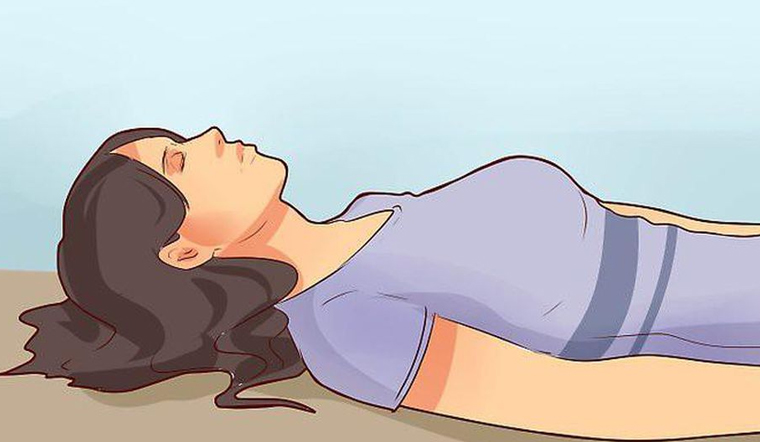
For back and side sleepers, sleeping without a pillow often causes the head to fall backward or sideways unnaturally.
This can lead to:
-
Neck strain
-
Morning stiffness
-
Headaches
-
Nerve compression
Back sleepers typically need gentle support under the neck to maintain proper spinal curvature.
2. Poor Spinal Alignment
Without proper support, the spine may lose its natural alignment during sleep.
Over time, this can contribute to:
-
Upper back pain
-
Shoulder discomfort
-
Chronic posture issues
Side sleepers are especially vulnerable because the distance between the mattress and the head is greater.
3. Increased Risk of Nerve Compression
Improper neck positioning can compress nerves, potentially causing:
-
Tingling in arms or hands
-
Numbness
-
Radiating pain
These symptoms may worsen with long-term poor sleeping posture.
4. Disrupted Sleep Quality
Discomfort from improper support may lead to:
-
Tossing and turning
-
Frequent waking
-
Reduced deep sleep
Poor sleep quality affects immune health, mood, and cognitive function.
How Sleep Position Changes the Outcome
Stomach Sleepers
-
Often benefit most from sleeping without a pillow
-
Reduces neck hyperextension
-
May consider placing a thin pillow under the pelvis instead
Back Sleepers
-
Usually need a low to medium pillow
-
Supports the natural curve of the neck
-
No pillow may strain the cervical spine
Side Sleepers
-
Typically require a thicker pillow
-
Keeps the head aligned with the spine
-
Sleeping without a pillow often leads to neck bending
Who Should Avoid Sleeping Without a Pillow?
Sleeping without a pillow is not recommended for people who:
-
Have chronic neck or back pain
-
Suffer from cervical spine disorders
-
Experience frequent headaches or migraines
-
Have shoulder injuries
-
Are side sleepers with broad shoulders
How to Transition Safely If You Want to Try It
If you’re curious about sleeping without a pillow, don’t remove it suddenly.
Try this instead:
-
Gradually reduce pillow height
-
Use a folded towel instead of a pillow
-
Experiment during short naps first
-
Pay attention to morning pain or stiffness
Your body needs time to adjust to postural changes.
Alternatives to Sleeping Without a Pillow
If you want better alignment without eliminating pillows entirely:
-
Use an ergonomic or cervical pillow
-
Choose a thinner, firmer pillow
-
Place a pillow under the neck - not the head
-
Use body pillows for side sleeping support
Final Thoughts
Sleeping without a pillow is neither universally good nor universally bad. For stomach sleepers, it may relieve neck strain. For back and side sleepers, it often increases discomfort and misalignment.
The key is spinal alignment, comfort, and sleep quality. The best sleeping setup is the one that allows you to wake up feeling rested, pain-free, and refreshed.
Listening to your body and adjusting based on how you feel in the morning - is far more important than following trends.