In the event of a snake bite, knowing the steps to take can be the difference between life and de.ath. Snake bi.tes, whether from venomous or non-venomous snakes, require immediate attention. However, the treatment methods differ depending on the type of snake involved. Here’s what to do when bitten by a snake:
1. Identify the Snake
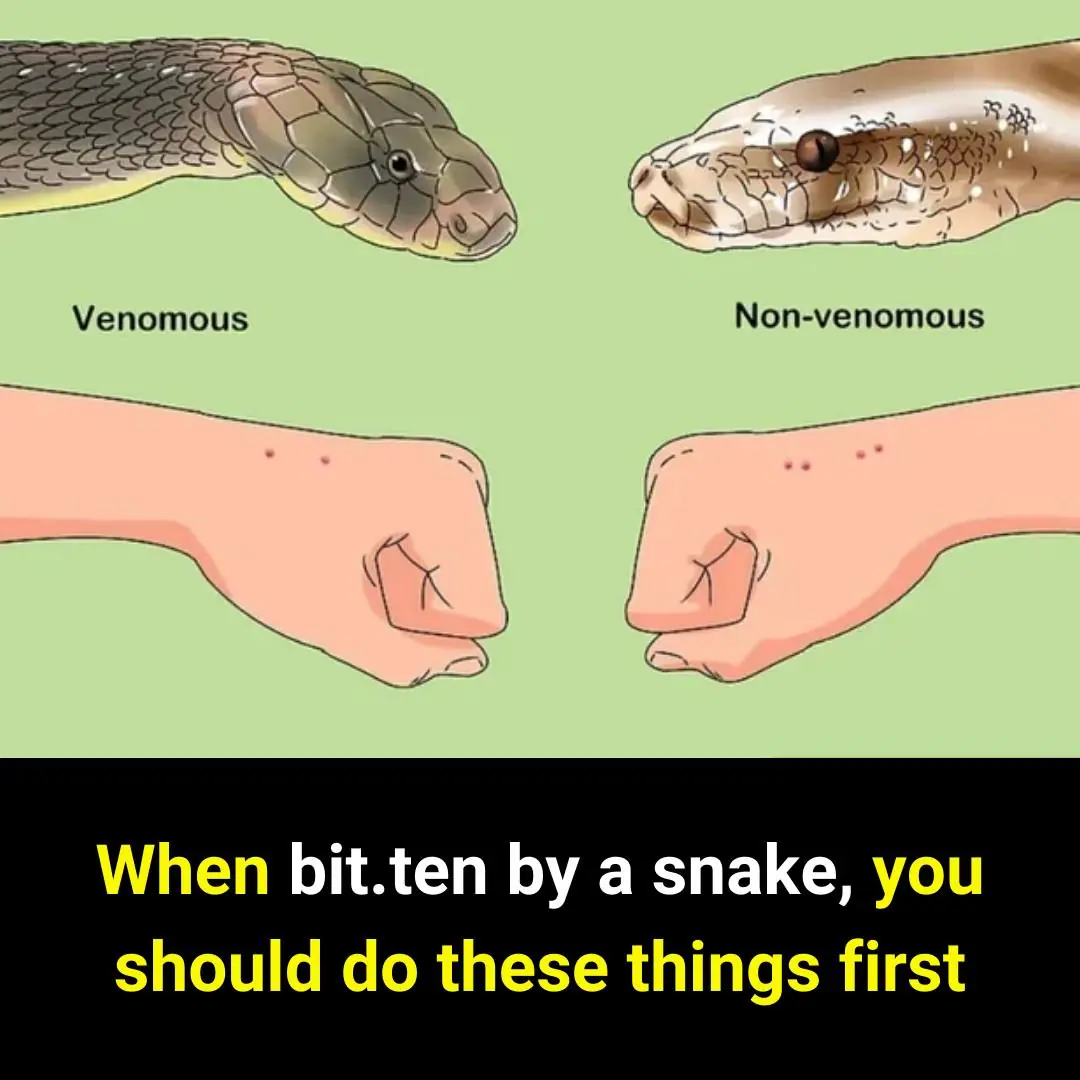
The first crucial step is to determine whether the snake is venomous or non-venomous. This may not always be easy, especially if the snake disappears quickly or if the bite is from a species you're unfamiliar with. Here's a basic guide:
-
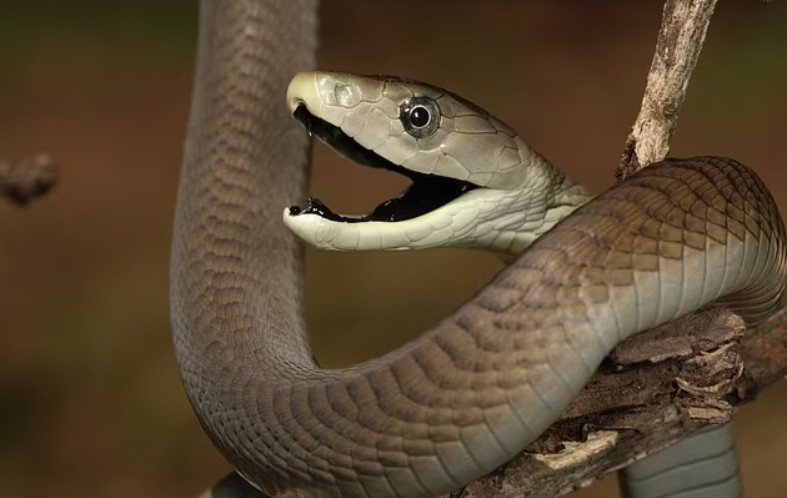
Venomous Snakes: Venomous snakes typically have triangular or more pronounced heads, compared to non-venomous snakes. Their fangs are visible when they bite, and they inject venom into the bloodstream, which can cause severe symptoms such as swelling, difficulty breathing, or dizziness.
-
Non-Venomous Snakes: These snakes usually have round heads, and while their bites can be painful, they don't inject venom. The bite marks are often more superficial, and there are fewer signs of swelling.
It's important to stay calm and observe the snake's appearance as best as you can before it disappears.
2. Stay Calm and Seek Help Immediately
Regardless of whether the snake is venomous or non-venomous, it's essential to stay as calm as possible. Panicking can increase the heart rate, which may spread venom more quickly throughout the body. Call emergency services immediately or try to get to a medical facility as soon as possible. The faster you can get medical attention, the better your chances of recovery.
3. First Aid for a Snake Bi.te
After the bite, follow these first aid steps to minimize the impact of the venom and improve your chances of survival:
-
For Venomous Snakes:
-
Keep the Bite Area Below the Heart: If bitten on a limb, try to keep it below the level of your heart to slow the spread of venom.
-
Clean the Area Gently: If possible, clean the wound with soap and water, but do not try to suck out the venom.
-
Apply a Bandage: If you can, apply a loose bandage above the bite to help slow venom spread, but avoid using a tourniquet.
-
Stay Still and Calm: Limit movement, as moving can help spread the venom faster.
-
-
For Non-Venomous Snakes:
-
Clean the Wound: Wash the area with soap and water to prevent infection.
-
Apply Pressure to Stop Bleeding: If the wound is bleeding, apply pressure with a clean cloth.
-
Observe for Infection: Non-venomous snake bites are typically less dangerous, but you should still keep an eye out for signs of infection such as redness or swelling.
-
4. What NOT to Do
There are several common myths about snake bites, and it's important to avoid them. These include:
-
Do not try to suck out the venom. This is ineffective and may lead to infection.
-
Do not apply ice or tourniquets. Ice can cause tissue damage, and a tourniquet can worsen the situation by restricting blood flow and increasing the toxicity of the venom.
-
Do not attempt to kill the snake. This may waste precious time and increase your risk of further bites.

5. Signs of Envenomation
Venomous snakes can inject toxins that cause severe symptoms. These symptoms may vary depending on the type of snake, but they commonly include:
-
Swelling and pain at the site of the bite.
-
Difficulty breathing or swallowing.
-
Blurred vision or dizziness.
-
Nausea and vomiting.
-
Paralysis or weakness.
If you experience any of these symptoms, seek medical help immediately.
6. Treatment at the Hospital
Once at the hospital, doctors will determine the type of snake and administer the appropriate treatment, which may include:
-
Antivenom for venomous snake bites.
-
Pain relief and other supportive care for non-venomous bites.
-
Observation for any complications such as infection or allergic reactions.
Conclusion
Snake bi.tes are serious, and knowing what to do can greatly increase your chances of surviving the ordeal. Always stay calm, call for help, and follow proper first aid steps. With prompt treatment and medical care, even venomous snake bi.tes can be treated successfully. Always remember to respect wildlife and avoid provoking snakes when you encounter them in the wild.