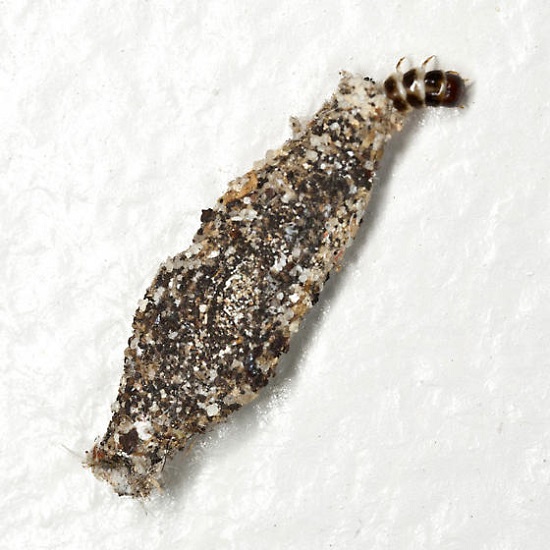
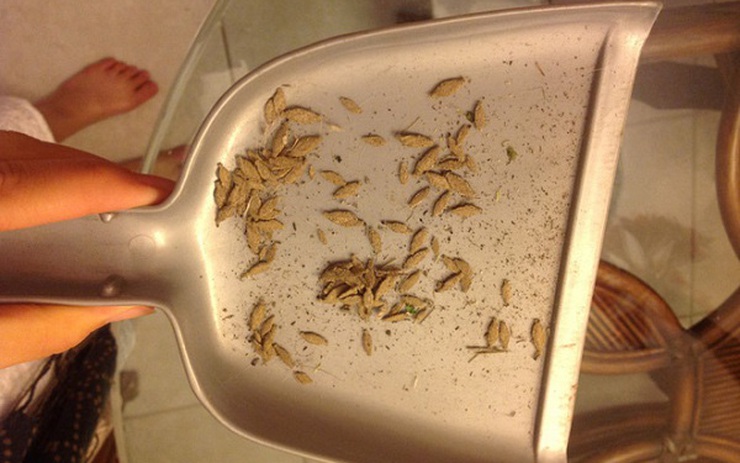
If you have ever noticed small, oval-shaped “bags” clinging to your walls, ceilings, curtains, or even furniture, you are not alone. At first glance, they often look like bits of dust, dried mud, lint, or tiny cocoons that somehow got stuck indoors. Many people ignore them - until they realize these little cases are actually moving.
In reality, these mysterious objects are not debris at all. They are the protective cases of an insect known as the bagworm, also commonly referred to as housecase moth larvae or plaster bagworms.
Understanding what these insects are, why they appear, and how to eliminate them properly can help you protect your home and prevent future infestations.
What Exactly Are Bagworms?
Bagworms are the larval stage of certain moth species. Instead of living openly, the larvae build a portable protective case around their bodies using silk combined with materials found in their environment. Indoors, this often includes:
-
Dust and dirt
-
Hair and pet fur
-
Fabric fibers
-
Lint and debris
The result is a small, tube-shaped or oval “bag” that perfectly blends into household surfaces. The larva lives inside this case and carries it everywhere, extending its head out only to move or feed.
Because of their excellent camouflage, bagworms often go unnoticed for weeks or even months.
Why Do Bagworms Appear Inside Homes?
Although bagworms are more commonly associated with outdoor plants and trees, certain species have adapted well to indoor environments.
Common Reasons for Indoor Infestations
-
Abundant dust and fibers: Homes with carpets, curtains, or upholstered furniture provide an ideal food source.
-
Stored clothing: Natural fabrics such as wool, silk, cotton, and fur are especially attractive.
-
Low disturbance areas: Closets, behind furniture, ceiling corners, and unused rooms are prime locations.
-
Poor ventilation: Warm, humid, and poorly ventilated spaces support larval development.
-
Entry points: Adult moths may enter through windows, doors, or small cracks and lay eggs indoors.
Once hatched, the larvae immediately begin constructing their protective cases and feeding quietly.
Are Bagworms Harmful to Humans?
Bagworms do not bite, sting, or transmit diseases, so they pose no direct health threat to humans. However, they can still cause problems.
Potential Issues They Cause
-
Damage to clothing, especially natural fabrics
-
Holes in carpets, rugs, and upholstery
-
Gradual infestation that spreads unnoticed
-
Psychological discomfort due to their unusual appearance
Left untreated, a small number of larvae can multiply and become a persistent household pest.
How to Get Rid of Bagworms Indoors
Eliminating bagworms requires a combination of physical removal, cleaning, and prevention. Simply killing visible larvae without addressing the environment will not solve the problem long-term.
1. Manual Removal (Immediate Action)
The fastest way to reduce their numbers is to remove them physically.
-
Use gloves or tissue to pick them off walls and surfaces
-
Crush them or place them in sealed bags before disposal
-
Avoid brushing them onto the floor, where they may survive
This method is effective for small infestations.
2. Thorough Vacuuming
Vacuuming removes both larvae and their food sources.
Focus on:
-
Baseboards
-
Corners of ceilings
-
Curtains and drapes
-
Behind furniture
-
Closets and wardrobe floors
Immediately dispose of the vacuum bag or empty the container outside the house.
3. Wash and Heat-Treat Fabrics
Bagworms feed on natural fibers, so fabric care is critical.
-
Wash clothes, curtains, and linens in hot water
-
Dry on high heat to kill larvae and eggs
-
Dry-clean delicate items if necessary
Pay special attention to clothes that have been stored for long periods.
4. Reduce Dust and Lint Build-Up
Since dust and fibers are a major food source, maintaining cleanliness is essential.
-
Dust surfaces regularly
-
Use microfiber cloths instead of dry dusters
-
Clean air vents and fans
-
Reduce clutter where dust accumulates
5. Use Natural Repellents
Certain natural substances help deter moths and larvae.
Effective options include:
-
Lavender oil
-
Cedarwood oil
-
Peppermint oil
Add a few drops to cotton balls and place them in closets, drawers, and corners. These scents discourage moths from laying eggs.
6. Seal Entry Points
Prevent adult moths from entering your home.
-
Seal cracks in walls and ceilings
-
Repair window screens
-
Close gaps around doors
Reducing access points helps stop new infestations before they begin.
7. Consider Professional Pest Control (Severe Cases)
If bagworms continue to appear despite regular cleaning, professional pest control may be necessary.
Experts can:
-
Identify hidden breeding areas
-
Apply targeted treatments safely
-
Prevent recurrence
This is especially useful in large homes or long-standing infestations.
How to Prevent Bagworms from Returning
Prevention is the most effective long-term solution.
Key Prevention Tips
-
Store clothing in airtight containers
-
Avoid leaving unused fabrics exposed
-
Maintain regular cleaning routines
-
Keep humidity levels low
-
Inspect walls and ceilings periodically
Early detection makes control much easier.
Final Thoughts
Those small “bags” clinging to your walls are not random dirt or lint they are bagworm larvae quietly living inside protective cases. While they are not dangerous to your health, they can damage fabrics, spread unnoticed, and become an ongoing nuisance if ignored.
By understanding what they are, removing them promptly, and maintaining a clean and well-ventilated home, you can effectively eliminate bagworms and prevent them from coming back.
Next time you spot one of these tiny cases, you’ll know exactly what you’re dealing with and how to handle it before it becomes a bigger problem.