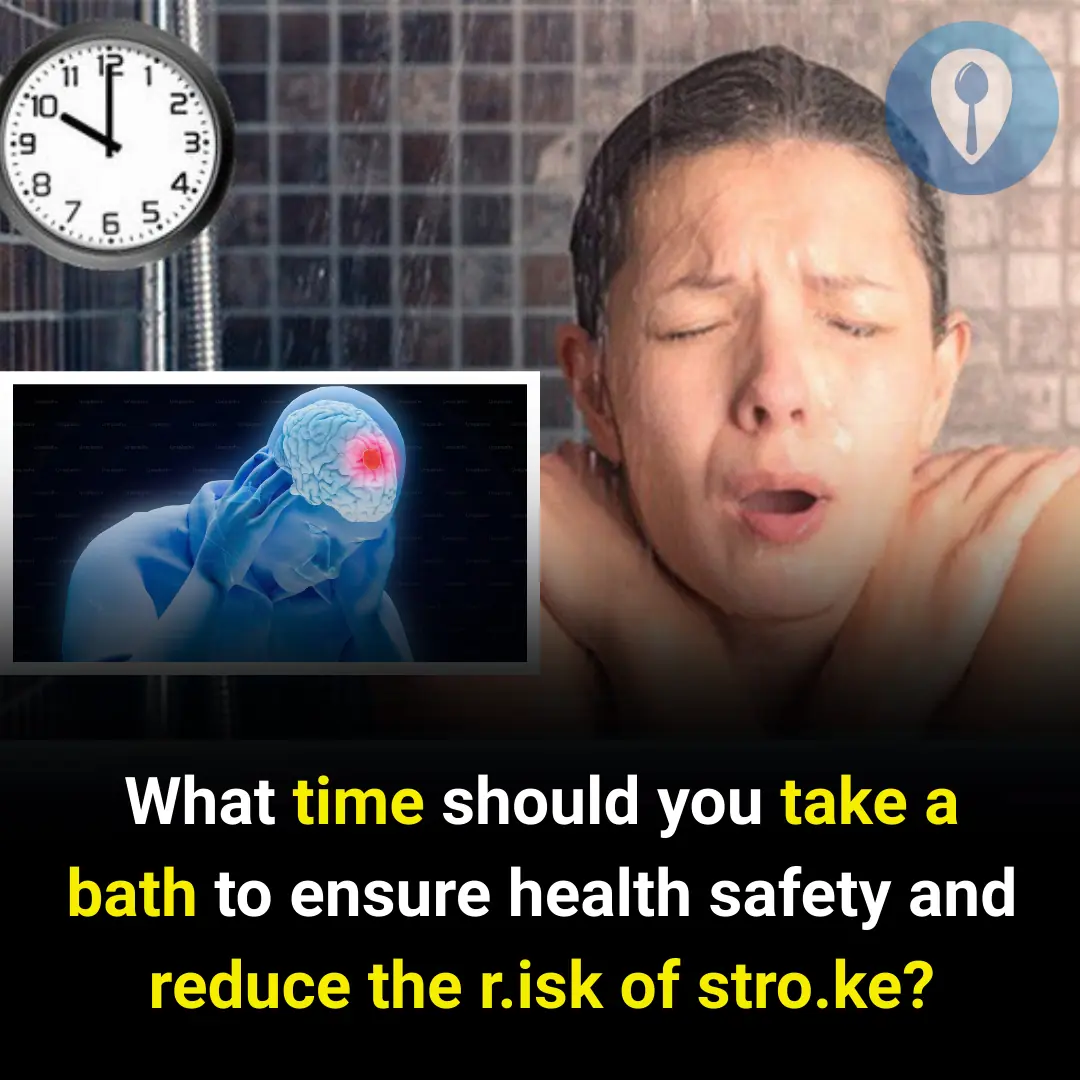
Bathing is a habit that helps clean the body and relax, but we should not always bathe immediately. In fact, there are times when bathing can be harmful to your health, affecting blood circulation and the immune system. To optimize the benefits of bathing, you need to choose a reasonable time. So what time should you bathe to ensure the best safety for your health?
What time should you bathe to be good for your health?
Bathing time is very important to ensure health and comfort. According to experts, the ideal time to bathe is in the morning right after waking up or in the evening before going to bed. Bathing in the morning helps the body to be alert, stimulates blood circulation and cleanses the body after a long night. This not only helps you feel refreshed but also increases energy for the whole working day.
Meanwhile, bathing in the evening helps the body relax after a long day of work, reduces stress and prepares the body for a deeper sleep. In addition, the warm water temperature when bathing at night also helps relax muscles and promote skin regeneration.
When not to bathe:
Do not bathe after 10pm
Why should you not bathe at night? Bathing after 10pm is not the ideal time for your health. In the evening, the body has begun to prepare for sleep and bathing too late can interrupt the body's natural relaxation process. Because bathing too late can increase body temperature and stimulate the nervous system, making you feel awake and difficult to fall asleep. This can interrupt the sleep cycle, affecting sleep quality and feeling tired the next morning.
Bathing at night when the body is in a state of relaxation can cause sudden changes in blood circulation, causing dizziness or fatigue. The body's circulatory system needs time to stabilize and recover after a long day, bathing late can interrupt this process.
Do not bathe when you have a high fever
When you have a high fever, bathing is not a good choice because it can be harmful to the body. When the body temperature is high, bathing with cold water or water that is too hot can cause heat shock, forcing the body to work harder to regulate the temperature, making the fever worse. Instead, if you feel hot, use a wet towel to wipe your body or take a warm bath to help reduce your body temperature slowly without harming your health. Bathing in a state of high fever can increase the risk of dehydration and reduce the body's ability to recover.
Do not bathe after a full meal
Do not bathe immediately after a full meal because this can affect the body's digestive process. After a meal, the body needs to focus its energy on digesting food, causing more blood to flow into the stomach and intestines. If you bathe immediately after eating, the water temperature can change blood circulation, reducing the amount of blood supplied to the digestive system, causing a feeling of fullness, discomfort, and even leading to abdominal pain or poor digestion. It is best to wait at least 30 minutes to 1 hour after eating before bathing to ensure that the digestive system works effectively and the body feels comfortable.
Do not bathe right after being in the sun
Do not bathe right after being in the sun because the body needs time to adapt to the change in temperature. When you are in the sun for a long time, the body will be hot and sweat a lot to cool down. Bathing immediately can cause heat shock, causing blood vessels to suddenly constrict and leading to dizziness, lightheadedness or flu. It is best to rest for about 15 - 30 minutes to let the body gradually return to normal temperature before bathing.
Do not bathe right after drinking alcohol
Do not bathe right after drinking alcohol because when drinking alcohol, the body will become dehydrated and the circulatory system will be affected. Bathing after drinking alcohol can cause dizziness, fatigue or even fainting due to the sudden change in temperature and the effects of alcohol on the nervous system.
Alcohol dilates blood vessels and reduces the body's ability to regulate temperature, while bathing (especially hot water) can cause blood vessels to dilate further, leading to a drop in blood pressure and making you feel lightheaded. It's best to wait at least 30 minutes to an hour after drinking alcohol before bathing.
Risk of stroke when bathing at the wrong time
Bathing at the wrong time can increase the risk of stroke, especially when the body is weak, tired or when there is a sudden change in temperature. One of the causes of stroke when bathing at the wrong time is a rapid change in body temperature, especially when bathing with water that is too hot or too cold.
When bathing with hot water, the body will have to adjust to balance the temperature, causing blood vessels to dilate and increase blood flow. If the body does not adapt in time, this can lead to a sudden drop in blood pressure, making the heart unable to supply blood to important parts of the body, including the brain, increasing the risk of stroke.
On the contrary, bathing with cold water or when the body is tired or feverish can cause blood vessels to constrict and increase blood pressure. This sudden change causes the heart to work harder to maintain blood circulation and if blood pressure increases too much, it can lead to ruptured blood vessels or stroke.
In particular, bathing right after a full meal or when the body is tired can also disrupt blood circulation, causing stress on the heart and blood vessels, increasing the risk of stroke. Therefore, to protect health and minimize the risk of stroke, people should bathe at the right time, avoid bathing when the body is tired, after a meal or when having a high fever.
Bathing at the wrong time can cause the risk of stroke
Bathing at the right time is very important to protect our health. Bathing too late at night, after a full meal, when having a high fever or when the body is tired can cause serious harm, even the risk of stroke. To ensure safety, you should bathe at times when your body is healthiest and most comfortable, not only helping your body relax but also maintaining sustainable health.