For decades, many people believed that garlic cloves showing green sprouts were no longer good to eat. Those thin green shoots were often
seen as a clear sign of spoilage, prompting people to toss the garlic straight into the trash. However, modern nutritional research has revealed
a surprising truth: sprouted garlic is not only safe to eat, but it may actually be more beneficial for your health than fresh, unsprouted garlic.
When garlic begins to sprout, a natural transformation takes place inside the clove. This process activates powerful biochemical changes that
increase the concentration of beneficial compounds. As a result, sprouted garlic evolves from a common kitchen staple into a nutrient-dense
functional food with enhanced antioxidant activity and therapeutic potential.
In other words, the garlic you once considered “past its prime” could be one of the healthiest ingredients sitting in your kitchen.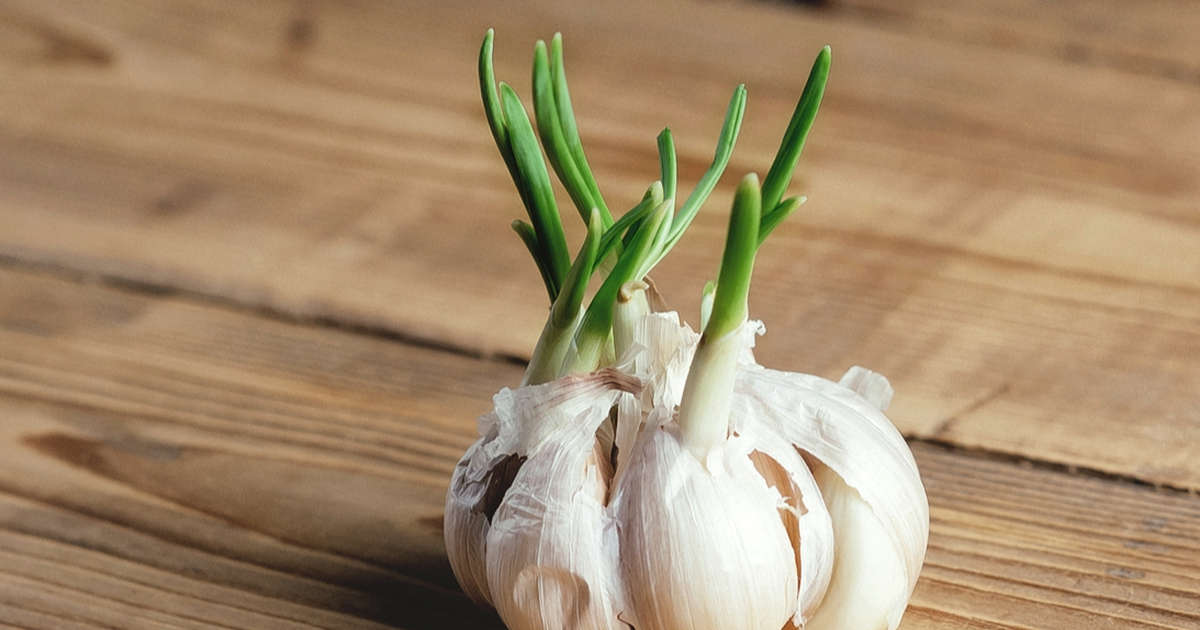
Below are the scientifically supported health benefits of eating sprouted garlic and why it deserves a place in your diet.
1. Significantly Higher Antioxidant Levels
One of the most impressive benefits of sprouted garlic is its elevated antioxidant content.
Research published in the Journal of Agricultural and Food Chemistry found that garlic allowed to sprout for approximately five days contains
substantially higher levels of antioxidants than fresh garlic. These antioxidants play a crucial role in protecting the body by:
-
Neutralizing harmful free radicals
-
Slowing cellular aging
-
Reducing oxidative stress
-
Lowering chronic inflammation
Oxidative stress is strongly associated with aging and the development of chronic diseases such as cancer, cardiovascular disease, and
diabetes. By consuming sprouted garlic, you may give your body stronger protection against these conditions.
2. Enhanced Immune System Support
Garlic has long been celebrated for its immune-boosting properties, but sprouted garlic takes those benefits even further.
During the sprouting process, garlic produces higher concentrations of phytochemicals that strengthen immune function. These compounds
help the body defend itself against:
-
Viral infections
-
Bacterial pathogens
-
Seasonal illnesses such as colds and flu
For individuals who frequently feel fatigued, stressed, or prone to infections, incorporating sprouted garlic into meals may help reinforce
natural immune defenses and improve resilience.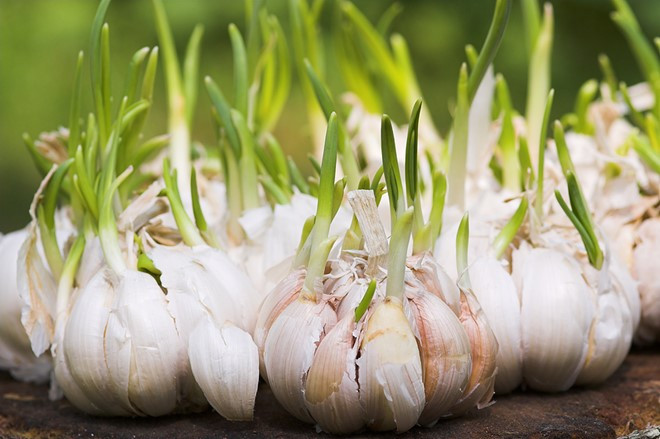
3. Improved Heart and Cardiovascular Health
Both fresh and sprouted garlic contain allicin, a sulfur-based compound known for its cardiovascular benefits. Allicin helps:
-
Lower LDL (“bad”) cholesterol
-
Regulate blood pressure
-
Improve blood circulation
-
Reduce arterial plaque buildup
Sprouted garlic, however, contains additional antioxidants and flavonoids that provide extra protection for the heart and blood vessels.
Regular consumption may help lower the risk of hypertension, heart attacks, and stroke while supporting overall cardiovascular function.
4. Powerful Natural Anti-Cancer Properties
One of the most promising areas of research on sprouted garlic involves its potential role in cancer prevention.
Laboratory studies have shown that sprouted garlic extracts demonstrate stronger inhibitory effects on the growth of certain cancer cells
compared to fresh garlic. This enhanced activity is believed to result from increased levels of:
-
Polyphenols
-
Phytoalexins
-
Potent antioxidants
While sprouted garlic is not a medical treatment, incorporating it into a balanced diet may contribute to long-term cellular protection and
reduced cancer risk.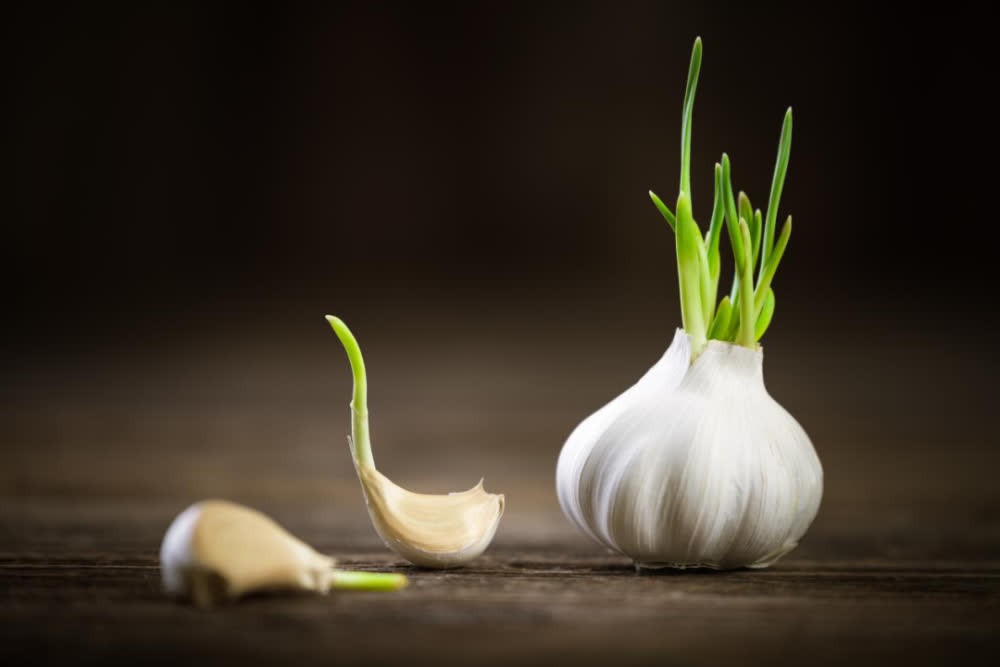
5. Supports Natural Detoxification
Garlic is well known for supporting the body’s detoxification processes, particularly in the liver. Sprouted garlic enhances this ability even
further.
Its elevated antioxidant levels help protect liver cells and support the body’s natural detox systems. Potential benefits include:
-
Assisting in the removal of heavy metals
-
Supporting blood purification
-
Reducing toxin-related cellular damage
-
Protecting liver function
For individuals exposed to environmental pollutants or those seeking gentle detox support, sprouted garlic offers a simple, natural solution.
6. Improves Digestive Health and Gut Balance
Sprouted garlic also supports digestive health by promoting a balanced gut environment.
It contains compounds that help suppress harmful microorganisms while supporting beneficial gut bacteria. This can lead to:
-
Improved digestion
-
Reduced bloating and gas
-
Lower intestinal inflammation
-
Enhanced nutrient absorption
Sprouted garlic also exhibits mild prebiotic effects, meaning it helps nourish beneficial bacteria that are essential for gut health and immune
function.
7. Helps Fight Infections Naturally
The antimicrobial power of garlic remains strong after sprouting—and may even be enhanced.
Sprouted garlic retains its ability to combat a wide range of pathogens, including:
-
Respiratory infections
-
Fungal overgrowth
-
Certain harmful bacteria
The sulfur compounds activated during sprouting may intensify garlic’s natural infection-fighting properties, making it a valuable addition
during periods of illness or recovery.:quality(75)/toi_moc_mam_co_an_duoc_khong_0_aa07883fe2.png)
8. Supports Brain and Cognitive Health
Oxidative stress and chronic inflammation are major contributors to cognitive decline and neurodegenerative conditions. Because sprouted
garlic contains higher antioxidant activity, it may help:
-
Protect nerve cells
-
Reduce inflammation in brain tissue
-
Support memory and mental clarity
-
Lower the risk of age-related cognitive decline
Regular consumption of sprouted garlic may contribute to better long-term brain health and mental performance.
How to Use Sprouted Garlic Safely
Sprouted garlic is safe to eat as long as the clove remains firm and free from mold or an unpleasant odor. It can be used just like regular garlic
in cooking:
-
Added to stir-fries
-
Mixed into sauces and dips
-
Used in soups and stews
-
Minced and sprinkled over cooked dishes
-
Blended into salad dressings
-
Roasted for a milder, sweeter flavor
The green shoots themselves are also edible and contain valuable nutrients.
Who Should Be Cautious with Sprouted Garlic?
Although sprouted garlic is healthy for most people, certain individuals should use caution:
-
Those with sensitive digestion, as garlic may cause bloating
-
Individuals taking blood-thinning medications
-
People preparing for surgery, who should limit garlic intake beforehand
-
Anyone with a known allergy to garlic or other Allium vegetables
If you have ongoing digestive or medical conditions, it’s best to consult a healthcare professional before significantly increasing garlic
consumption.
Conclusion
Sprouted garlic is not a sign of spoilage - it is a sign of transformation. Through the natural sprouting process, garlic becomes richer in
antioxidants, phytochemicals, and protective compounds that support immunity, heart health, detoxification, digestion, and even brain
function.
Instead of throwing sprouted garlic away, consider it an upgrade. Chop it, cook it, and incorporate it into your meals to take advantage of its
enhanced nutritional power.
Sometimes, the healthiest foods are the ones we almost discard.