
Up to 3 Months Before a Heart Attack, the Body May Send These 5 Critical Warning Signs
Heart attacks rarely come out of nowhere. In many cases, the body begins sending early warning signals weeks or even months in advance. The problem is not that these signs are invisible—it’s that they are often misunderstood, ignored, or explained away as stress, aging, or fatigue.
Recognizing these signals early can be life-saving. While not every symptom means a heart attack is inevitable, patterns and persistence matter.
Here are five critical warning signs that may appear up to three months before a heart attack.
1. Unusual Leg Pain, Swelling, or Heaviness
Many people don’t associate leg symptoms with heart problems—but circulation issues often show up first in the lower body.
Warning signs include:
-
Persistent calf or lower leg pain
-
Swelling in one or both legs
-
A heavy, tight, or aching sensation
-
Pain that worsens with walking and improves with rest
These symptoms may indicate poor circulation or blood vessel narrowing, which is closely linked to heart disease. In some cases, they can also signal blood clots, which increase heart attack risk.
2. Unexplained Fatigue That Doesn’t Improve With Rest
Feeling tired occasionally is normal. Feeling constantly exhausted, even after adequate sleep, is not.
This type of fatigue:
-
Appears suddenly
-
Interferes with daily activities
-
Feels disproportionate to effort
-
Persists for weeks
The heart may already be working harder to pump blood, reducing oxygen delivery to muscles and organs. This warning sign is especially common in women and often dismissed.
3. Shortness of Breath During Normal Activities
If climbing stairs, walking short distances, or doing light household tasks suddenly causes breathlessness, it may be an early red flag.
This can happen when:
-
The heart cannot pump efficiently
-
Fluid begins to accumulate in the lungs
-
Oxygen delivery is compromised
Shortness of breath without lung disease or infection should never be ignored—especially if it is new or worsening.
4. Chest Discomfort That Comes and Goes
Early heart-related chest symptoms are often subtle and intermittent, not dramatic.
They may feel like:
-
Pressure or tightness
-
Burning or fullness
-
Mild pain that comes and goes
-
Discomfort mistaken for indigestion or muscle strain
Because the pain is not severe or constant, many people delay seeking help. However, recurring chest discomfort is one of the strongest predictors of an impending heart attack.
5. Sleep Disturbances, Anxiety, or a Sense That “Something Is Wrong”
Many people report poor sleep, unexplained anxiety, or a persistent sense of unease weeks before a heart attack.
Possible signs include:
-
Difficulty falling or staying asleep
-
Nighttime restlessness
-
Sudden anxiety without clear cause
-
A vague feeling that something is “off”
These symptoms may be linked to nervous system changes and reduced blood flow, as the heart struggles to meet the body’s demands.
Why These Warning Signs Are Often Ignored
People ignore early heart warnings because:
-
Symptoms are mild at first
-
They don’t fit the “movie version” of a heart attack
-
Busy schedules encourage postponement
-
Fear of “overreacting” leads to silence
Unfortunately, the heart does not wait for certainty.
Who Is at Higher Risk
Pay special attention if you have:
-
High blood pressure
-
Diabetes
-
High cholesterol
-
Smoking history
-
Obesity
-
Family history of heart disease
-
Sedentary lifestyle
-
Chronic stress
For high-risk individuals, early symptoms deserve immediate evaluation.
What You Should Do If You Notice These Signs
Do not panic—but do not ignore them.
If symptoms:
-
Persist for days or weeks
-
Appear in combination
-
Are new or worsening
👉 See a healthcare professional promptly.
Doctors may recommend:
-
Blood pressure and cholesterol checks
-
ECG or stress testing
-
Imaging studies
-
Lifestyle and medication adjustments
Early action can prevent irreversible damage or save your life.
A Critical Reminder
These signs do not guarantee a heart attack—but they are the body’s request for attention.
Heart attacks are often the final event in a long process.
Listening early can interrupt that process.
Fi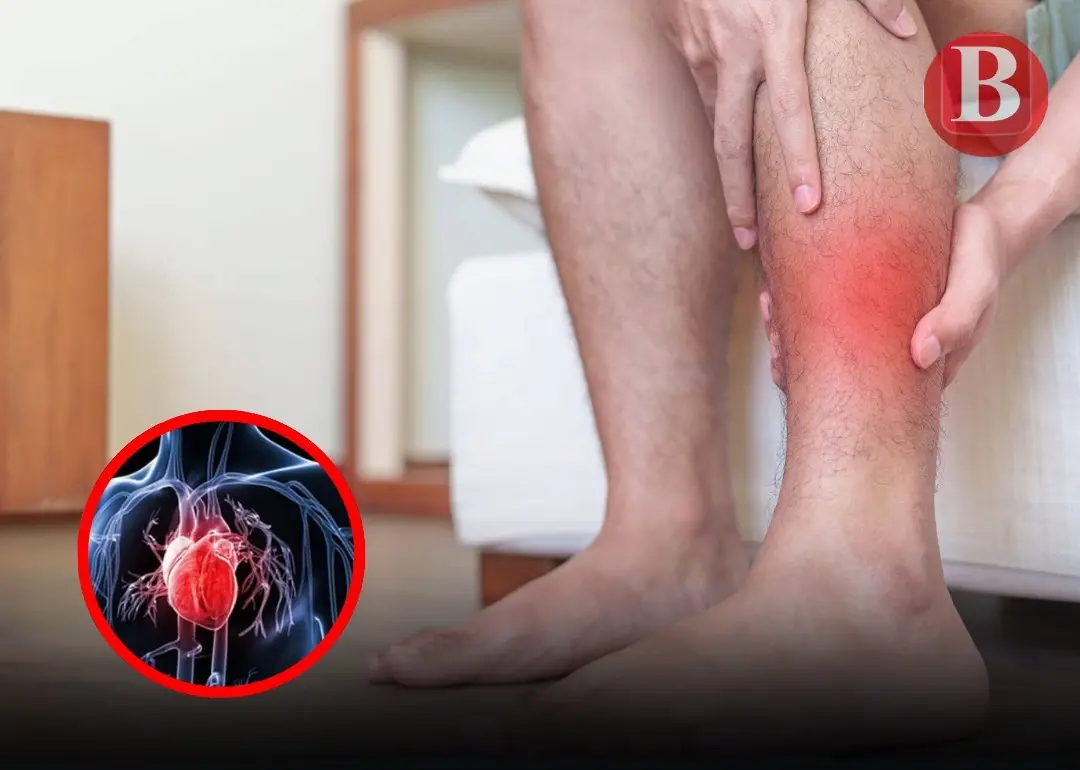 nal Thought
Your body often whispers before it screams.
Leg pain, fatigue, breathlessness, sleep changes—these are not random inconveniences. They may be early messages from your heart.
Ignoring them is easy.
Responding to them is powerful.
The heart gives warnings.
Survival depends on whether we listen.