For centuries, people have believed that death arrives suddenly, without warning. But modern medicine and palliative care reveal a quieter, more unsettling truth: the human body often begins preparing for death days or even weeks in advance — and one of the earliest signals may come from an unexpected place — the nose.
The Body’s Silent Countdown
As the body approaches the end of life, it does not fail all at once. Instead, systems shut down gradually, following a predictable pattern. Doctors who work in hospice care often describe this as the body “turning inward,” conserving energy for essential functions only.
Breathing, circulation, digestion, and sensory perception begin to change subtly. These changes are not random. They are coordinated responses controlled by the brain and nervous system as the body transitions toward its final phase.
Why the Nose Changes First
One of the earliest signs reported by caregivers and medical professionals is a change in smell — both what the person perceives and how they themselves smell to others.
As circulation slows, less oxygen and blood reach the extremities and sensory organs, including the nasal passages. The sense of smell weakens. Foods lose their aroma. Familiar scents disappear. Many dying patients stop eating not because they are “giving up,” but because their body no longer processes smell and taste the same way.
At the same time, metabolic changes begin to occur. The body produces different chemical compounds as organs like the liver and kidneys become less efficient at filtering toxins. These compounds can create a faint, sweet, or musty odor often described by hospice nurses as the “smell of death.” It is not decay — it is chemistry.
The Breath Tells a Story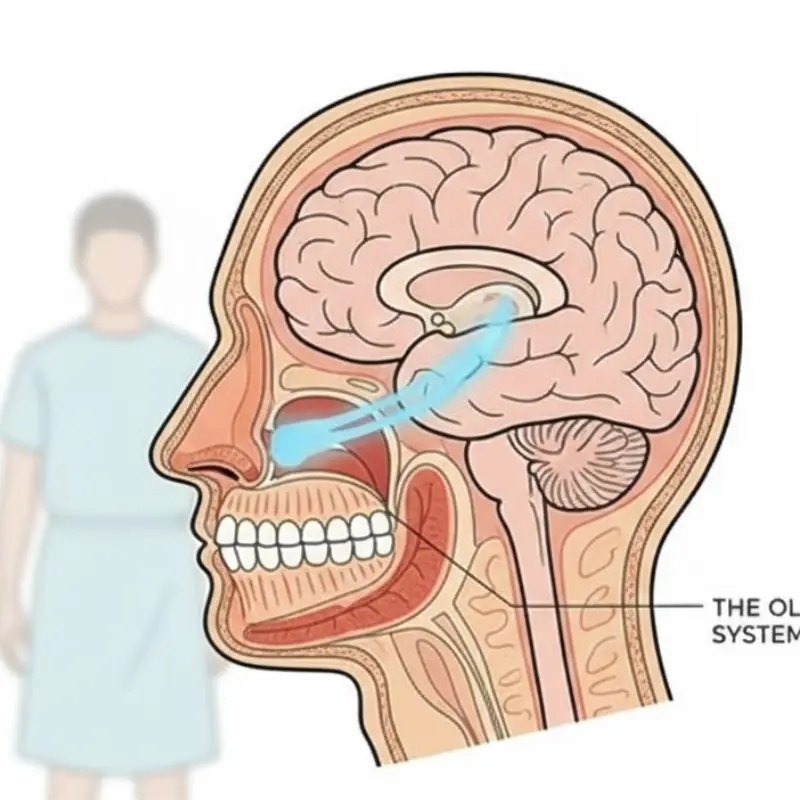
Breathing patterns also begin to change. Shallow breaths, long pauses, or irregular rhythms may appear. This happens as the brain’s respiratory center becomes less responsive to oxygen and carbon dioxide levels.
In many cases, caregivers notice a distinct change in breath smell during this stage. This is linked to ketones and other byproducts released as the body shifts from active metabolism to energy conservation. It is another sign that the body is entering a different biological state.
Loss of Appetite Is Not Suffering
As smell fades, appetite naturally follows. This is one of the most misunderstood stages of dying. Families often feel distress when a loved one stops eating or drinking, fearing starvation or pain.
In reality, forcing food at this stage can cause discomfort. The digestive system is one of the first to slow down because digestion requires significant energy. The body no longer asks for what it cannot use. Hunger hormones decrease, and thirst sensations change.
This is not the body failing — it is the body protecting itself.
The Brain Knows Before We Do
Neurologically, the brain begins to prioritize comfort over awareness. Sensory input dulls. Hearing often remains longer than other senses, but smell and taste fade early. This is why calm voices and gentle presence matter more than physical stimulation near the end of life.
Some researchers believe this sensory shutdown reduces stress and fear, allowing the mind to detach gradually rather than abruptly. From a biological perspective, it is a form of internal anesthesia.
What This Means for the Living
Understanding these signs changes how we care for dying people. It shifts the focus from intervention to presence. From forcing nourishment to offering comfort. From panic to acceptance.
The body is not confused at the end of life. It is precise. It follows a script written by evolution, biology, and survival instincts that once protected life — and now guide its closure.
A Quiet Truth
Death rarely arrives unannounced. The body knows when the end is near, and it begins preparing gently, system by system. The nose, with its deep connection to memory, breath, and the nervous system, is often the first to signal the change.