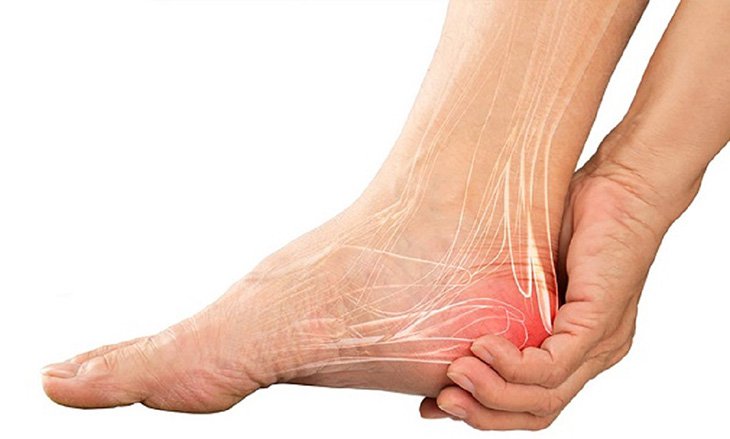
Nightly Leg Cramps? Here’s Why They Happen—and How to Stop Them
Waking up in the middle of the night with sudden, intense leg pain is a frustrating and often frightening experience. Nightly leg cramps can strike without warning, tightening the muscles of the calf, foot, or thigh and leaving lingering soreness long after the spasm ends.
While leg cramps are common—especially as people age—they are not something you have to accept as normal. In most cases, they are a signal that the body needs attention, not a mystery with no solution.
What Are Nighttime Leg Cramps?
Nighttime leg cramps are involuntary muscle contractions that usually occur during sleep or rest. They can last from a few seconds to several minutes and may leave the muscle tender for hours or even days.
They are different from:
-
Restless leg syndrome
-
Muscle twitching
-
Exercise-related soreness
Leg cramps are sudden, painful, and forceful.
Why Nightly Leg Cramps Happen
Several factors can contribute to recurring leg cramps at night.
1. Dehydration
When the body lacks enough fluids, muscles are more likely to contract improperly.
Even mild dehydration can:
-
Reduce blood flow to muscles
-
Disrupt electrolyte balance
-
Increase nerve excitability
People who drink too little water during the day—or lose fluids through sweating—are at higher risk.
2. Electrolyte Imbalances
Muscles rely on minerals to function properly. Low levels of:
-
Magnesium
-
Potassium
-
Calcium
can interfere with normal muscle relaxation, triggering cramps—especially at night when circulation slows.
3. Poor Blood Circulation
During sleep, blood flow naturally decreases. If circulation is already compromised, muscles may not receive enough oxygen, leading to cramping.
Common contributors include:
-
Prolonged sitting
-
Varicose veins
-
Peripheral artery disease
-
Smoking
4. Muscle Overuse or Prolonged Inactivity
Both extremes can cause problems.
-
Overuse: Long periods of standing, walking, or exercise can fatigue muscles
-
Inactivity: Sitting or lying still for long hours shortens muscles
Tight, shortened muscles are more likely to spasm at night.
5. Certain Medical Conditions or Medications
Nightly leg cramps are more common in people with:
-
Diabetes
-
Kidney disease
-
Thyroid disorders
-
Nerve compression
Some medications—such as diuretics or cholesterol-lowering drugs—may also contribute by altering fluid or mineral balance.
How to Stop Leg Cramps When They Happen
If a cramp strikes during the night:
-
Gently stretch the muscle (pull toes toward the shin for calf cramps)
-
Massage the area to increase blood flow
-
Apply warmth to relax tight muscles
-
Stand and walk briefly if possible
Avoid forceful movements, which can worsen pain or cause muscle strain.
How to Prevent Nightly Leg Cramps
Prevention focuses on addressing the root causes.
1. Stay Well Hydrated
Drink water consistently throughout the day—not just at night. Clear or pale-yellow urine is a good hydration indicator.
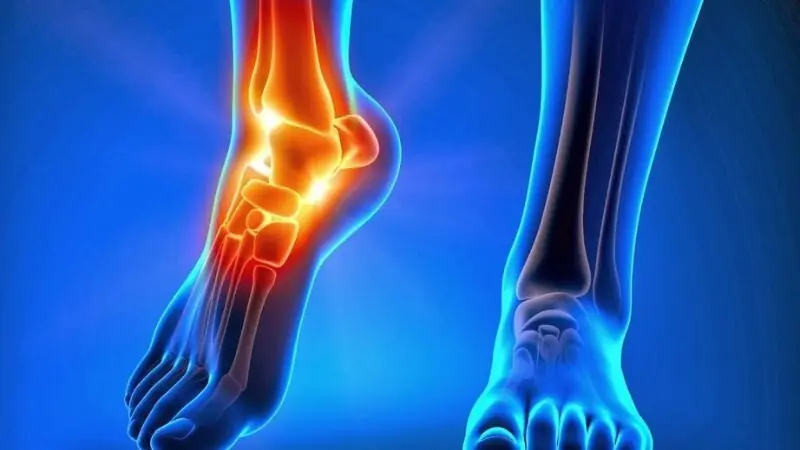
2. Stretch Before Bed
Gentle stretching before sleep can dramatically reduce cramp frequency.
Focus on:
-
Calves
-
Hamstrings
-
Feet
Even 5 minutes can make a difference.