Up to 3 Months Before a Heart Attack, Your Body May Send 5 Critical Warning Signs — Don’t Ignore Them
Heart attacks rarely happen out of nowhere. In many cases, the body begins sending subtle warning signals weeks—or even months—before a serious cardiac event occurs. The problem is that these symptoms are often mild, confusing, or mistaken for everyday fatigue and stress.
Understanding these early signs could be life-saving. Below are 5 critical warning signs that may appear up to 3 months before a heart attack.
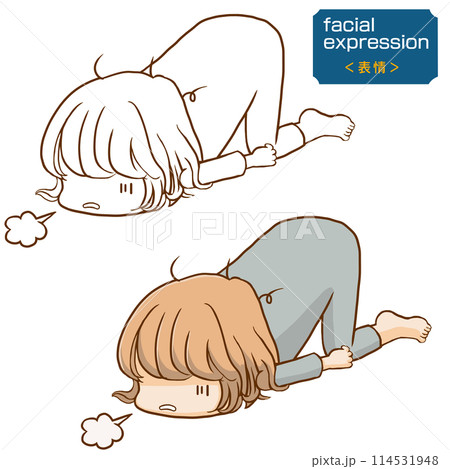
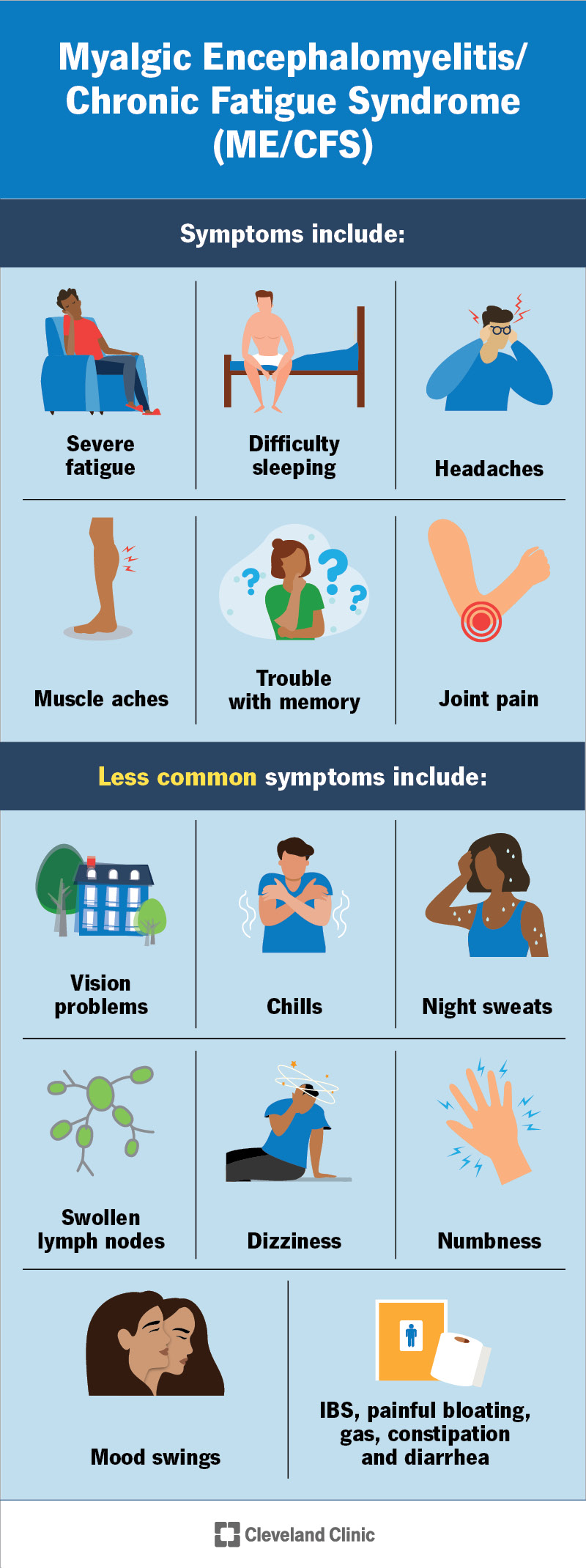
1. Unusual Fatigue That Doesn’t Go Away
 4
4
Feeling tired after a long day is normal—but persistent, unexplained fatigue is not.
This type of fatigue:
- Appears suddenly without increased activity
- Doesn’t improve with rest
- Makes simple tasks feel exhausting
Many people, especially women, report extreme tiredness weeks before a heart attack. It’s often one of the earliest warning signs.
2. Chest Discomfort (Not Always Pain)
Chest pain is the most well-known symptom—but it doesn’t always feel intense or dramatic.
Instead, it may feel like:
- Pressure or tightness
- Burning sensation
- Mild discomfort that comes and goes
Some describe it as “something sitting on the chest” rather than sharp pain.
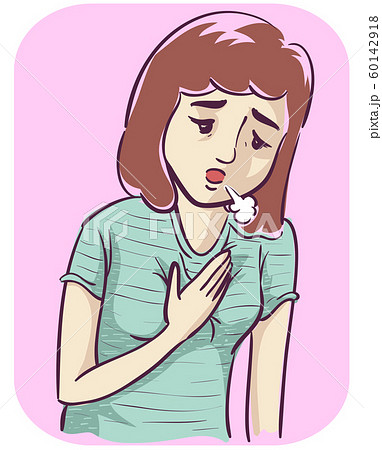
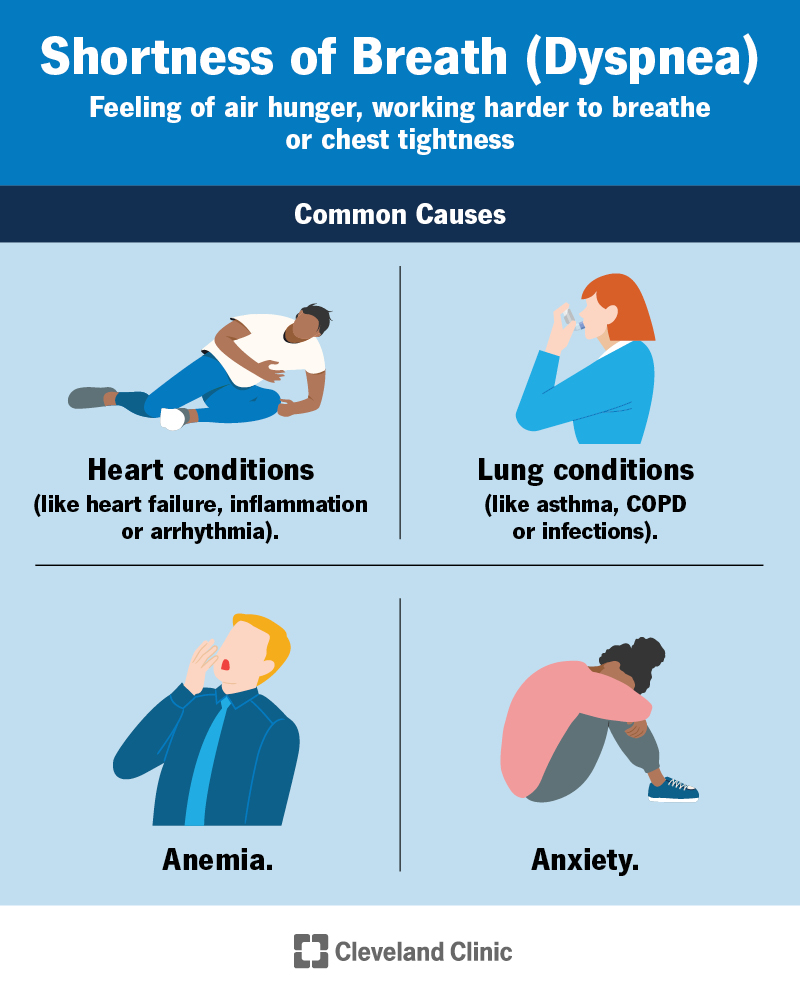
3. Shortness of Breath

 4
4
If breathing becomes difficult during normal activities—or even at rest—it may signal reduced heart efficiency.
Watch for:
- Feeling breathless without exertion
- Difficulty catching your breath
- Needing to stop and rest frequently
This can occur even without chest pain.
4. Pain in Other Areas (Not Just the Chest)
Heart-related pain doesn’t always stay in the chest. It can spread to:
- Arms (especially the left arm)
- Neck or jaw
- Back or shoulders
This type of pain may feel dull, aching, or uncomfortable rather than sharp.
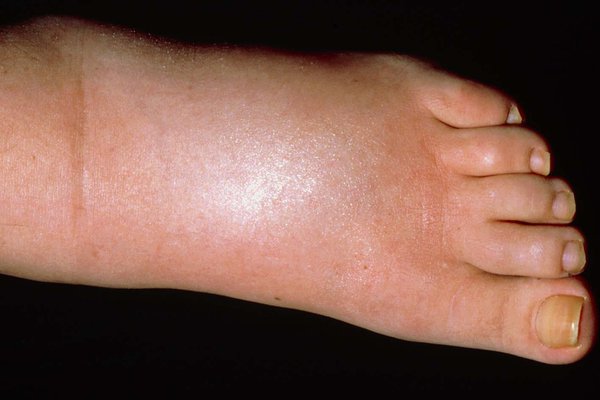
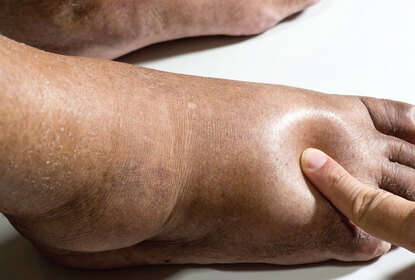
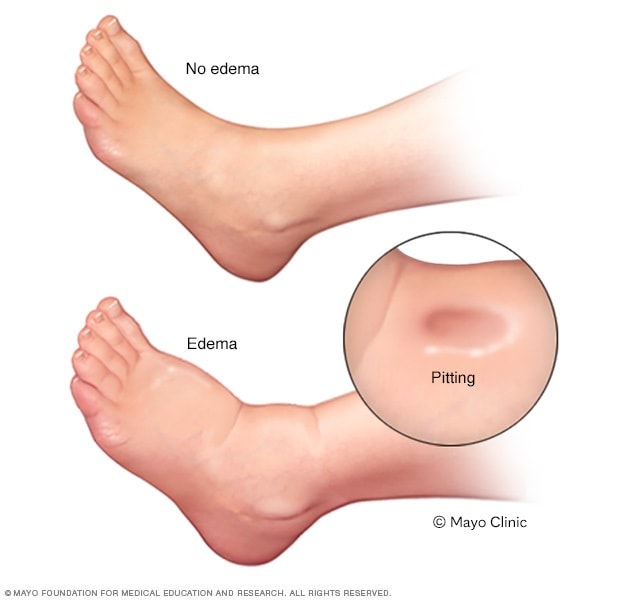
5. Swelling in Feet, Ankles, or Legs
 4
4
Swelling (edema) happens when the heart cannot pump blood efficiently, causing fluid buildup.
Signs include:
- Puffy feet or ankles
- Shoes feeling tighter than usual
- Visible swelling that doesn’t go away
Why These Signs Are Often Ignored
Many of these symptoms are easy to dismiss because they:
- Develop gradually
- Mimic common issues like stress or aging
- Come and go instead of staying constant
This is why people often delay seeking help until it’s too late.
When to Take It Seriously
Immediate attention is needed if:
- Multiple symptoms appear together
- Symptoms worsen over time
- Chest discomfort becomes more frequent
- Breathing difficulty increases
Early action can prevent a full heart attack.
Simple Steps to Protect Your Heart
- Maintain a balanced diet
- Exercise regularly
- Manage stress levels
- Monitor blood pressure and cholesterol
- Avoid smoking
Prevention is always more effective than treatment.
Final Thoughts
Your body speaks—but often in whispers, not shouts. The signs leading up to a heart attack can be subtle, but they are rarely random.
Pay attention to unusual fatigue, breathing changes, mild chest discomfort, or unexplained swelling. These may seem small, but they could be early warnings of something serious.
Recognizing these signals early—and acting on them—can truly save a life.