Cucumbers Are Delicious and Healthy — But These 4 Groups of People Should Avoid Eating Them
Cucumbers are often praised as a “perfect” health food. They’re low in calories, high in water, refreshing, and commonly used in salads, detox drinks, and summer meals. Rich in hydration and mild nutrients, cucumbers can support digestion and help keep the body cool.
However, healthy doesn’t always mean suitable for everyone. Because of their cooling nature, water content, and certain compounds, cucumbers may worsen symptoms or cause discomfort for some people. Understanding who should limit or avoid cucumbers can help prevent unnecessary health issues.
Here are four groups of people who should be cautious with cucumber consumption.
1. People with Sensitive Digestion or Frequent Bloating
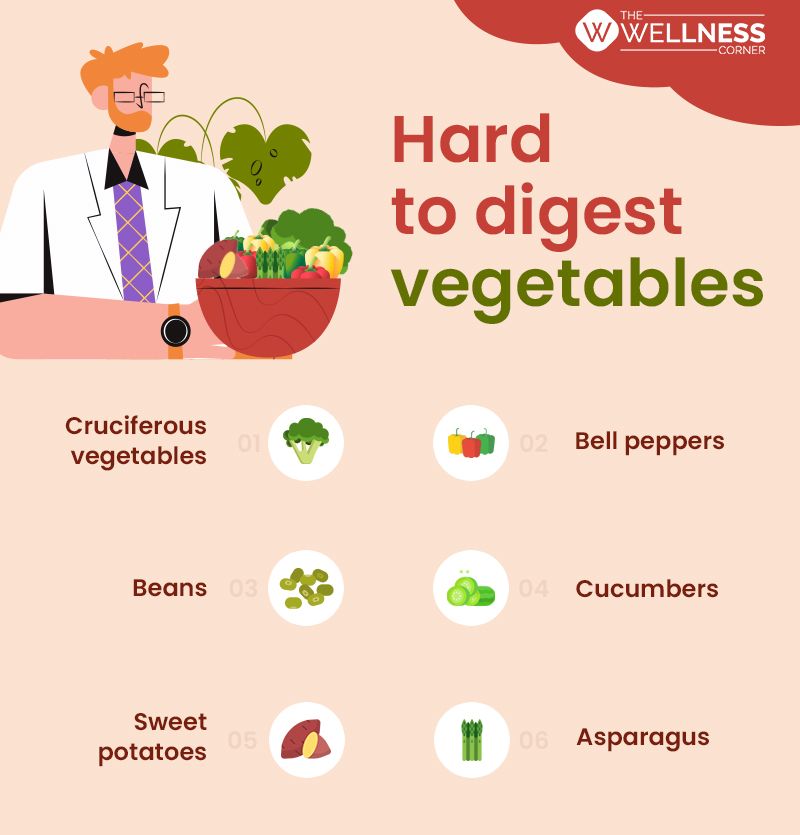
Cucumbers contain a compound called cucurbitacin, which can be difficult to digest for some individuals. While harmless for most people, this compound may cause bloating, gas, or abdominal discomfort in those with sensitive digestive systems.
People who often experience:
-
Bloating after meals
-
Excess gas
-
Stomach discomfort after eating raw vegetables
may notice that cucumbers make symptoms worse, especially when eaten raw or in large amounts. Cold foods can also slow digestion in people with weak stomach function.
For these individuals, limiting raw cucumber intake or eating it cooked may reduce discomfort.

2. People with Kidney Problems or Fluid Imbalance
Cucumbers are very high in water and contain potassium. While this is beneficial for hydration, it may not be ideal for people with kidney conditions that affect fluid or electrolyte balance.
In individuals with impaired kidney function:
-
Excess potassium may accumulate in the blood
-
Too much water intake can strain the kidneys
-
Fluid balance may become unstable
Doctors often recommend monitoring potassium-rich foods for kidney patients. While cucumbers are not extremely high in potassium, frequent or excessive consumption may still pose a risk for those with kidney-related issues.
Anyone with kidney disease should follow medical advice before regularly consuming large amounts of cucumber.
3. People Prone to Cold Sensitivity or Joint Pain
In many traditional health systems, cucumbers are considered a cooling food. While refreshing in hot weather, they may aggravate symptoms in people who are sensitive to cold.
This group may experience:
-
Cold hands and feet
-
Joint stiffness or pain
-
Digestive discomfort after cold foods
Eating large amounts of cucumber — especially straight from the refrigerator — may worsen these symptoms. This effect is more noticeable in colder climates or during winter months.
For these individuals, moderation and proper food temperature matter. Avoiding cucumbers when the body already feels cold can help maintain balance.

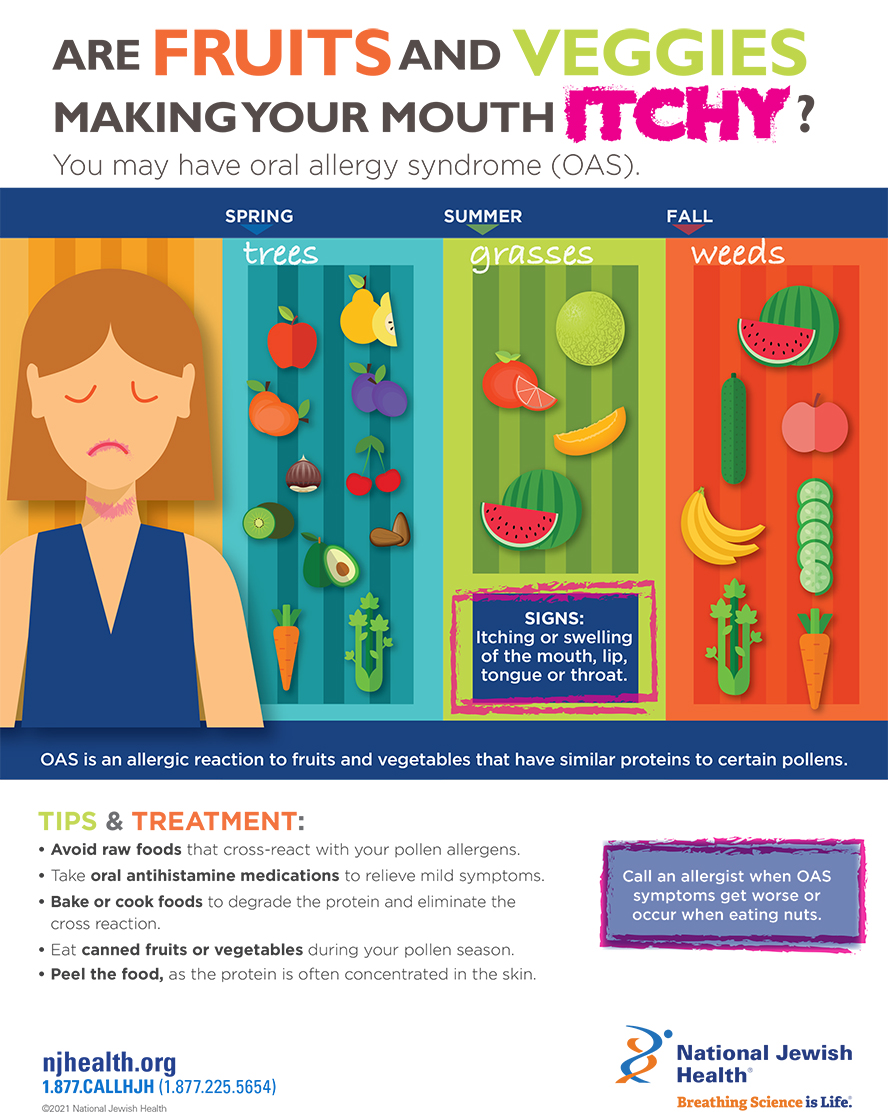
Although uncommon, some people experience oral allergy syndrome when eating cucumbers. This condition is often linked to pollen allergies and can cause mild but uncomfortable reactions.
Possible symptoms include:
-
Itching or tingling in the mouth
-
Swelling of lips or tongue
-
Scratchy throat
These reactions occur because the immune system mistakes cucumber proteins for pollen allergens. While symptoms are usually mild, repeated exposure can worsen reactions over time.
Anyone who experiences consistent irritation after eating cucumbers should avoid them and consult a healthcare provider if symptoms persist.

Does This Mean Cucumbers Are Bad?
Not at all. Cucumbers can be refreshing and beneficial for many people, especially in hot weather or as part of a balanced diet. They support hydration, provide fiber, and are easy to incorporate into meals.
The key issue is individual tolerance. A food that works well for one person may cause discomfort for another. Health is personal, not universal.
How to Eat Cucumbers More Safely
If you enjoy cucumbers and don’t fall into the groups above:
-
Eat them in moderation
-
Avoid eating them on an empty stomach
-
Don’t consume them ice-cold
-
Pair them with warm or cooked foods
Listening to your body’s response is more reliable than following general rules.
When to Pay Attention
You should reconsider cucumber consumption if you notice:
-
Repeated bloating or stomach pain
-
Cold-related discomfort after eating
-
Allergic symptoms in the mouth or throat
-
Worsening kidney-related symptoms
Dietary adjustments don’t need to be extreme — small changes can make a big difference.
Final Thoughts
Cucumbers are widely seen as a symbol of health, but no food is perfect for everyone. Understanding your body’s needs and limitations helps you make smarter dietary choices without unnecessary restriction.
Eating well isn’t about eating what’s popular — it’s about eating what works for you.