Leftovers are a convenient solution for busy lifestyles. Many people cook large meals, store the rest in the refrigerator, and reheat them the next day without a second thought. However, not all foods remain safe after being stored overnight. In some cases, improper storage or reheating can lead to serious foodborne illness — and even life-threatening consequences.
A recent tragic case involving a 50-year-old man has drawn attention to the hidden risks of consuming certain leftovers. After eating refrigerated food that had been stored overnight, he reportedly developed severe symptoms and did not survive. While such extreme outcomes are rare, experts warn that food poisoning from improperly stored leftovers is more common than many people realize.
Understanding which foods pose higher risks when kept overnight can help you protect your health and avoid dangerous situations.
Why Some Leftovers Become Dangerous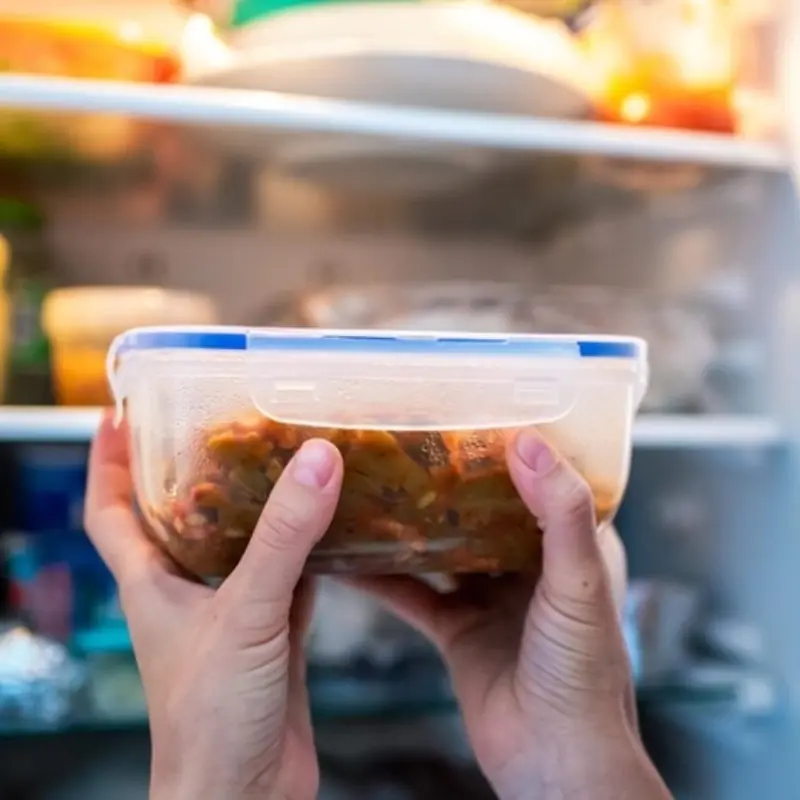
Food safety depends heavily on temperature, storage time, and the type of food involved. Bacteria can multiply rapidly when cooked food is left at room temperature for too long or stored improperly. Even when refrigerated, some foods are more prone to bacterial growth and toxin formation.
Reheating does not always eliminate all risks. Certain bacteria produce toxins that remain even after food is heated again. That means reheating spoiled or contaminated leftovers may not make them safe to eat.
Here are five types of foods that should be handled with extra caution and, in some cases, avoided after being stored overnight.
1. Cooked Rice and Fried Rice
Cooked rice is one of the most commonly mishandled leftovers. It can harbor spores of Bacillus cereus, a bacterium that survives cooking. If rice is left at room temperature for too long before refrigeration, these spores can multiply and produce toxins.
Even reheating rice thoroughly may not destroy these toxins. To reduce risk, rice should be cooled quickly after cooking, refrigerated within two hours, and consumed within a day.
2. Leafy Green Vegetables
Vegetables such as spinach, kale, and cabbage can become problematic when cooked and stored improperly. These greens contain natural nitrates, which can convert into nitrites and potentially harmful compounds over time.
Repeated reheating or long storage periods may increase the risk of chemical changes that are not ideal for health. If you plan to keep cooked leafy greens, store them promptly in airtight containers and consume them as soon as possible.
3. Seafood
Seafood spoils quickly due to its delicate nature and high protein content. When stored overnight, especially if not kept consistently cold, seafood can develop harmful bacteria or toxins.
Certain types of fish can also produce histamine when they begin to spoil, leading to food poisoning symptoms even after reheating. It is best to eat seafood fresh or within a short time after cooking.
4. Mushrooms
Cooked mushrooms should be eaten shortly after preparation. When left overnight, their protein structure can break down, and bacteria may grow if they are not stored properly.
Improperly stored mushrooms can cause digestive discomfort or food poisoning. If you need to keep them, refrigerate them immediately and reheat only once before consuming.
5. Eggs and Egg-Based Dishes
Eggs are nutritious but highly perishable. Dishes such as boiled eggs, scrambled eggs, and omelets can become breeding grounds for bacteria if left out too long before refrigeration.
Even when refrigerated, egg dishes should be consumed within 24 hours for maximum safety. Avoid reheating multiple times, as this increases the risk of contamination.
Tips for Safe Leftover Storage
To reduce the risk of foodborne illness, follow these essential food safety tips:
-
Refrigerate leftovers within two hours of cooking
-
Store food in airtight, shallow containers
-
Keep refrigerator temperature below 4°C (40°F)
-
Reheat food thoroughly and only once
-
Discard leftovers that smell, taste, or look unusual