Cabbage Is Very Good for Your Health — But These 4 Types of People Should Not Eat It
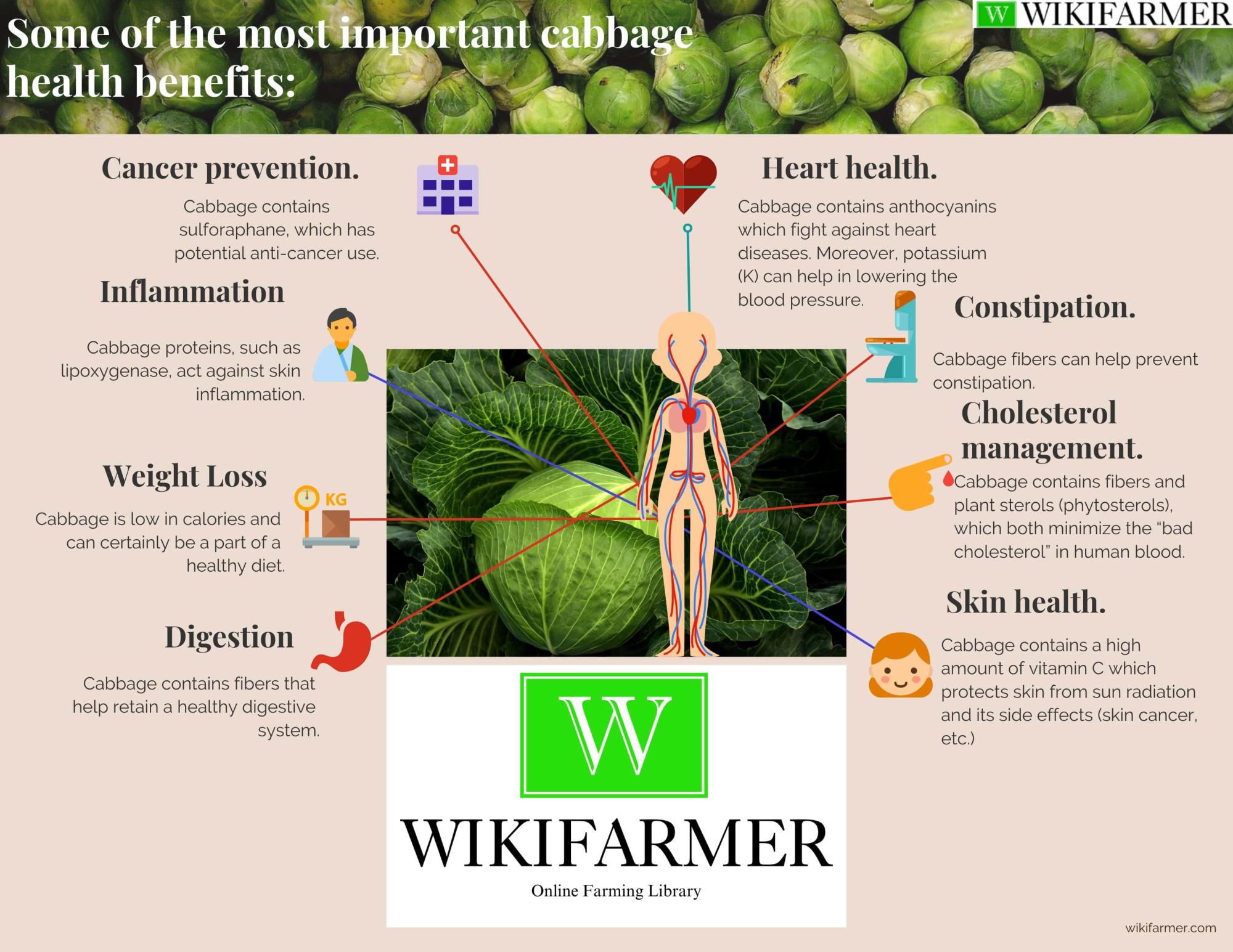
Cabbage is often praised as a nutritional powerhouse. It’s low in calories, rich in fiber, packed with vitamins C and K, and loaded with antioxidants. From salads and soups to fermented foods like sauerkraut and kimchi, cabbage plays a major role in many healthy diets around the world.
However, healthy doesn’t always mean suitable for everyone. Due to its fiber content, natural compounds, and effects on digestion and hormones, cabbage can cause problems for certain people. Knowing who should limit or avoid cabbage can help prevent discomfort and protect overall health.
Here are four groups of people who should be cautious when eating cabbage.
1. People with Sensitive Digestion or Chronic Bloating
Cabbage is a cruciferous vegetable, which means it contains complex carbohydrates that are harder to digest. During digestion, these compounds can ferment in the gut, producing gas.
People with:
-
Irritable bowel syndrome (IBS)
-
Frequent bloating or gas
-
Sensitive stomachs
may notice increased abdominal discomfort after eating cabbage, especially raw cabbage. Symptoms often include bloating, cramping, and a feeling of fullness that lingers for hours.
Cooking cabbage helps break down some of these fibers, making it easier to digest. However, for people with chronic digestive sensitivity, even cooked cabbage may still cause issues.


2. People with Thyroid Disorders
Cabbage contains substances called goitrogens, which can interfere with the thyroid’s ability to use iodine. In large amounts, goitrogens may worsen thyroid function — especially in people with hypothyroidism or iodine deficiency.
This doesn’t mean cabbage is dangerous for everyone with thyroid issues, but:
-
Eating large amounts of raw cabbage regularly
-
Having an iodine-deficient diet
-
Existing thyroid dysfunction
can increase risk.
Cooking cabbage significantly reduces goitrogen levels. People with thyroid conditions should focus on moderation, ensure adequate iodine intake, and consult their healthcare provider if cabbage is a regular part of their diet.
3. People Taking Blood-Thinning Medications
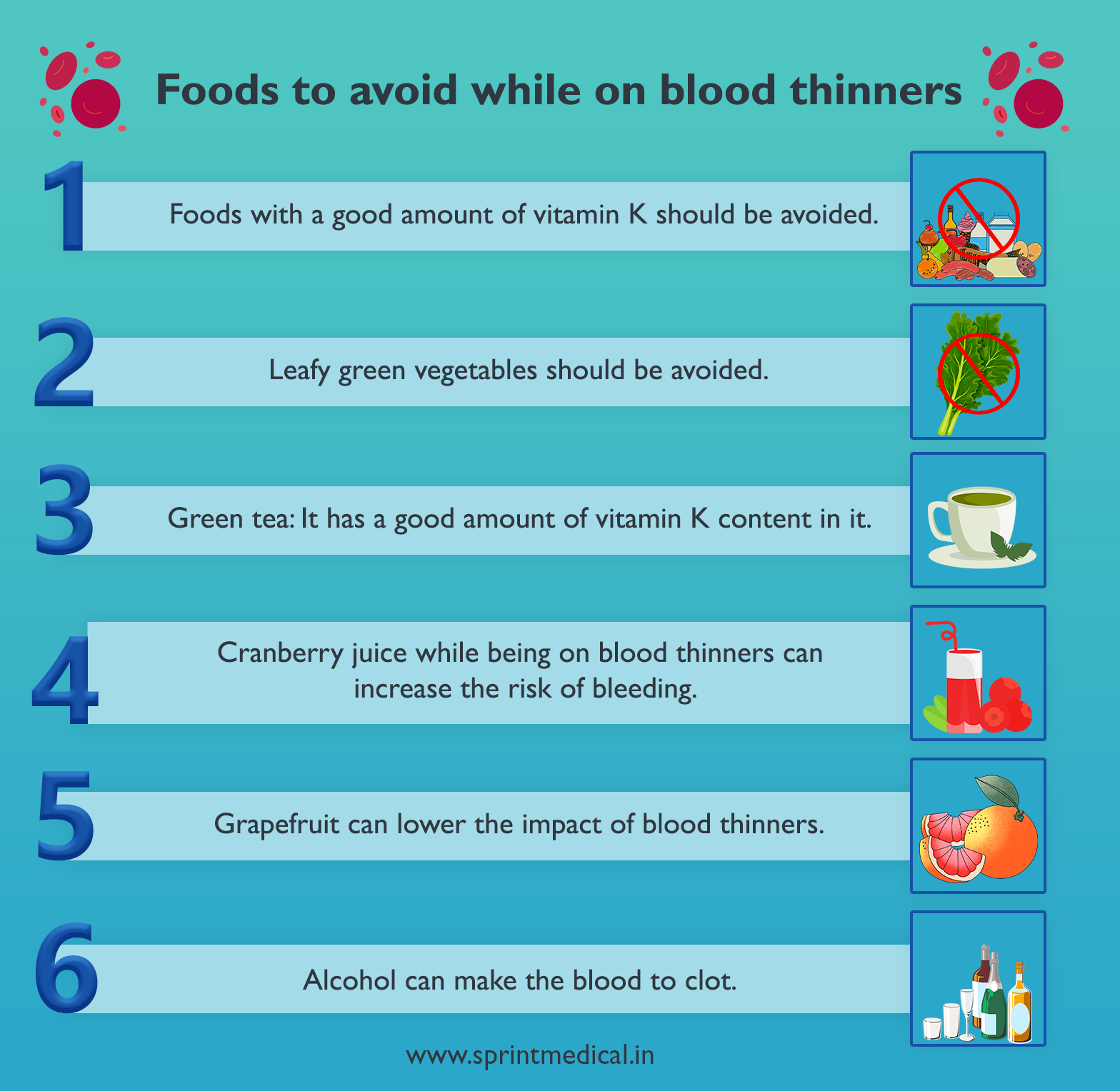
Cabbage is very high in vitamin K, a nutrient essential for blood clotting. While vitamin K is beneficial for most people, it can interfere with blood-thinning medications such as warfarin.
For people on anticoagulants:
-
Sudden increases in cabbage intake may reduce medication effectiveness
-
Inconsistent vitamin K intake can destabilize blood clotting levels
This doesn’t mean cabbage must be eliminated entirely, but consistency is crucial. Any major dietary change involving vitamin K–rich foods should be discussed with a healthcare provider to avoid complications.


4. People Prone to Kidney Stones
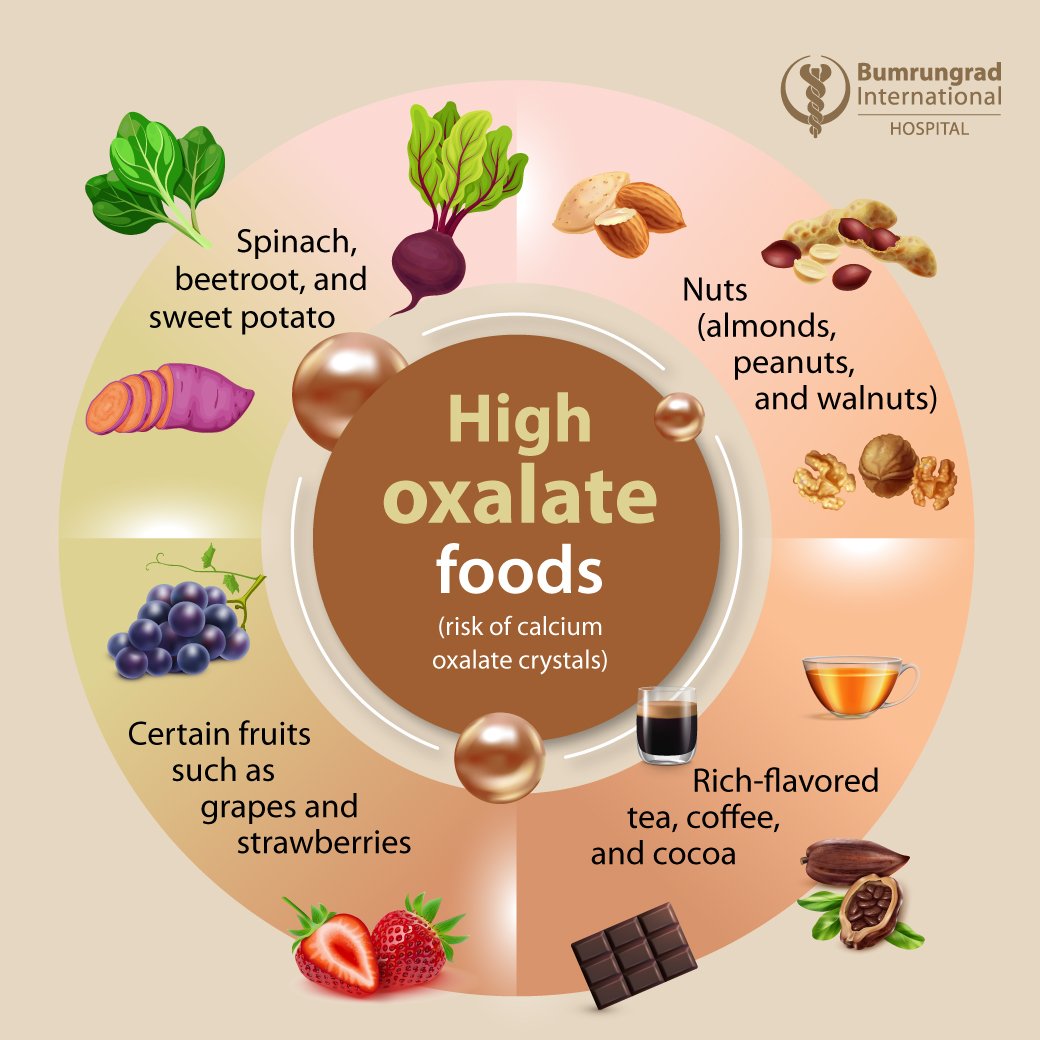
Cabbage contains oxalates, compounds that can contribute to kidney stone formation in susceptible individuals. While cabbage is not the highest oxalate food, consuming large amounts — especially alongside other oxalate-rich foods — may increase risk for people with a history of calcium oxalate stones.
Those prone to kidney stones should:
-
Avoid excessive cabbage consumption
-
Balance oxalate intake with adequate hydration
-
Pair oxalate foods with calcium sources to reduce absorption
For most people, cabbage in moderate amounts is safe. For those with recurring kidney stones, dietary caution is important.


Does This Mean Cabbage Is Bad?
Not at all. Cabbage is highly nutritious and offers many health benefits for the majority of people. It supports gut health, provides antioxidants, and contributes to heart and immune health.
The key issue is individual tolerance and medical context. A food that benefits one person may cause problems for another.
How to Eat Cabbage More Safely
If you enjoy cabbage and don’t fall into the groups above, these tips can help:
-
Prefer cooked cabbage over raw
-
Eat moderate portions
-
Avoid eating large amounts late at night
-
Combine with protein and healthy fats to slow digestion
Listening to how your body reacts is more important than following general food trends.
When to Pay Attention
You may need to reduce or avoid cabbage if you experience:
-
Persistent bloating or stomach pain
-
Worsening thyroid symptoms
-
Unstable blood clotting levels
-
Recurrent kidney stones
Dietary adjustments don’t have to be extreme — small changes can make a big difference.


Final Thoughts
Cabbage is a nutritious vegetable with a strong health reputation, but no food is perfect for everyone. Understanding your body’s needs, medical conditions, and tolerance allows you to make smarter choices without unnecessary restriction.
Health isn’t about eating what’s labeled “healthy.”
It’s about eating what works for you.