Neck pain, woman shocked to see something sticking out
Neck pain, woman shocked to see something sticking out
Health 08/02/2026 00:20
It’s easy to be drawn in by headlines that promise a simple cure for cancer. The truth is more complex. No food can kill cancer cells on its own, and no diet can replace medical treatment. However, what you eat does matter. Certain foods contain compounds that help reduce inflammation, support immune function, and create an internal environment that is less favorable for cancer growth.
Instead of thinking of food as a weapon that “kills” cancer, it’s more accurate to see it as support for your body’s natural defenses. Over time, consistent dietary choices can influence cancer risk, progression, and overall health.
Here are seven foods widely studied for their cancer-supportive properties — and why they matter.
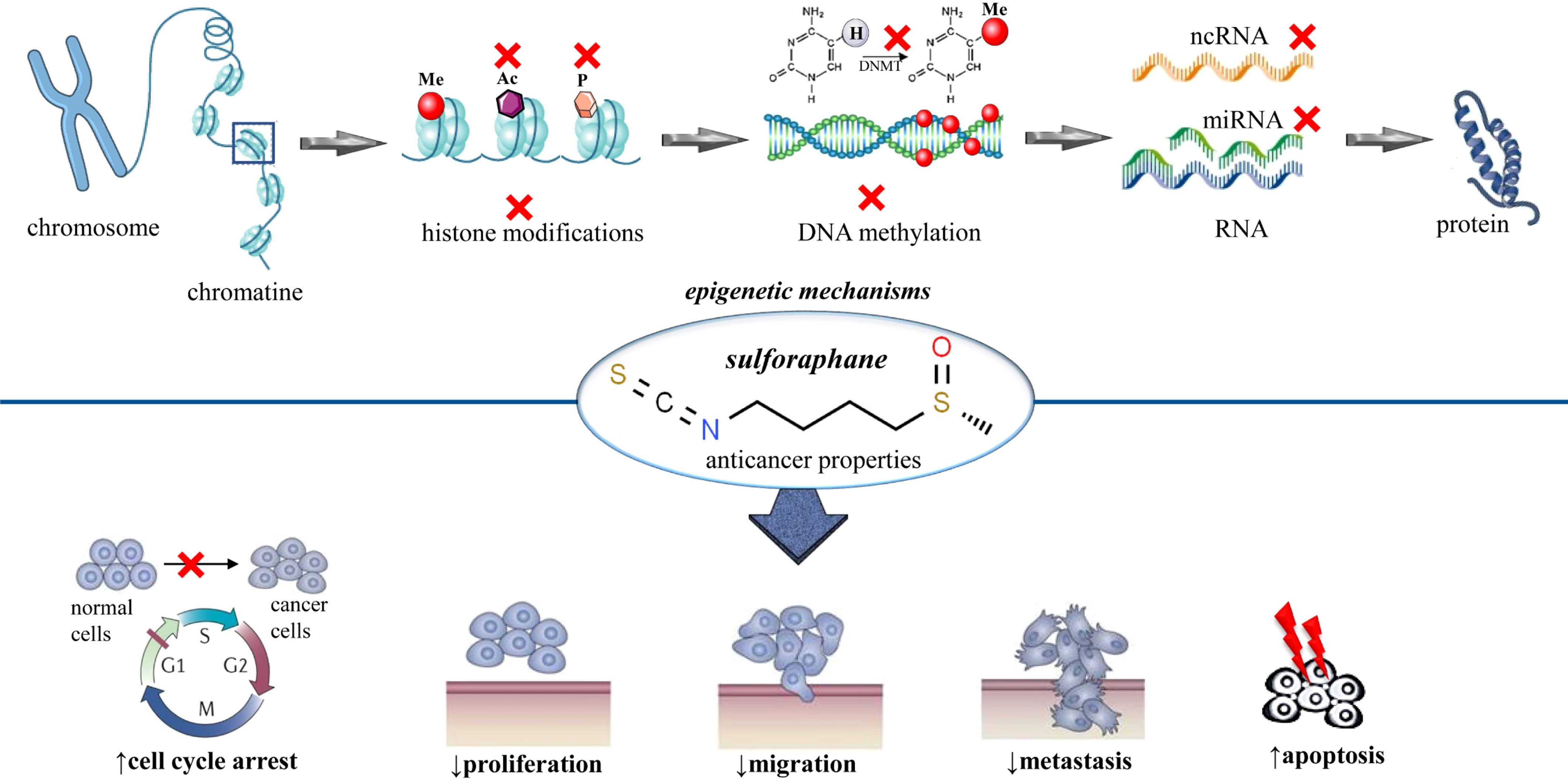
Cruciferous vegetables contain compounds like sulforaphane and indole-3-carbinol, which have been shown to support detoxification enzymes and help regulate abnormal cell growth.
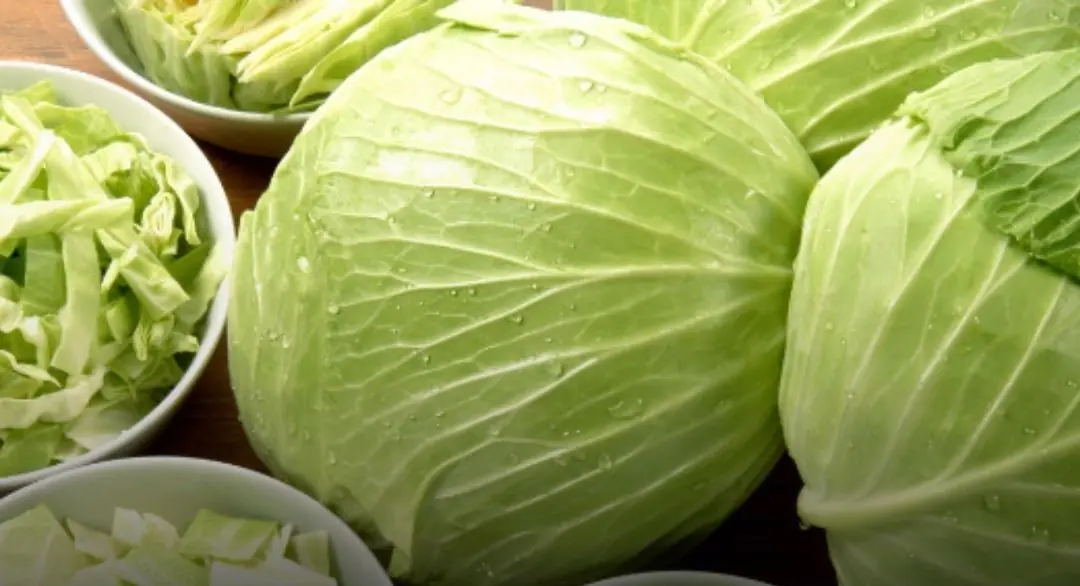
Regular consumption of broccoli, Brussels sprouts, kale, and cabbage has been associated with a lower risk of several cancers, including colorectal and breast cancer. These vegetables don’t destroy cancer cells directly, but they help the body process toxins more efficiently.


Berries are rich in antioxidants, especially anthocyanins, which help protect cells from oxidative stress. Oxidative damage can contribute to DNA mutations — a key factor in cancer development.
Studies suggest that berries may slow the growth of certain cancer cells in laboratory settings, but in real life, their biggest benefit is long-term cellular protection when consumed regularly as part of a balanced diet.
Garlic, onions, leeks, and shallots belong to the allium family, known for sulfur-containing compounds that support immune response and reduce inflammation.
Population studies have found lower rates of certain digestive cancers among people who regularly consume garlic and onions. These foods help strengthen immune surveillance — the body’s ability to identify and respond to abnormal cells early.


Fatty fish are rich in omega-3 fatty acids, which play a role in reducing chronic inflammation. Since long-term inflammation is linked to cancer development, omega-3s may help lower overall risk.
Omega-3s also support heart health and immune balance, which are especially important for people undergoing or recovering from cancer treatment.
Green tea contains catechins, particularly EGCG (epigallocatechin gallate), which have been widely studied for their potential role in cancer prevention.
While green tea does not cure cancer, research suggests it may:
Help regulate cell growth
Reduce oxidative stress
Support metabolic balance
Drinking green tea regularly can be a simple habit that supports long-term health.


Tomatoes are a major source of lycopene, an antioxidant linked to reduced risk of prostate and other cancers. Lycopene becomes more bioavailable when tomatoes are cooked, such as in sauces or soups.
This doesn’t mean raw tomatoes are ineffective — both forms contribute to antioxidant intake and overall dietary diversity.
Beans, lentils, chickpeas, and whole grains provide fiber, which supports gut health and helps regulate blood sugar levels. A healthy gut microbiome plays an important role in immune regulation and inflammation control.
Diets high in fiber have consistently been linked to lower rates of colorectal cancer. Fiber doesn’t target cancer cells directly, but it helps maintain a healthier internal environment.


It’s important to be clear:
These foods do not cure cancer
They do not replace chemotherapy, surgery, or radiation
They do not guarantee prevention
What they do offer is support — for immunity, inflammation control, metabolic balance, and overall resilience.
Cancer doesn’t develop overnight. It’s influenced by genetics, environment, lifestyle, and long-term habits. Food choices made consistently over years can shift risk — either up or down.
A diet rich in whole, minimally processed foods helps the body function at its best, whether the goal is prevention, recovery, or general wellness.
The idea that “cancer dies when you eat certain foods” is misleading — but the idea that food has no role is just as wrong. Nutrition is not a cure, but it is a powerful ally.
The most effective approach is not chasing miracle foods, but building daily habits that support your body’s ability to protect and repair itself.
Real prevention isn’t dramatic. It’s consistent.
Nếu muốn, mình có thể:
Neck pain, woman shocked to see something sticking out
Cabbage Is Very Good for Your Health — But These 4 Types of People Should Not Eat It
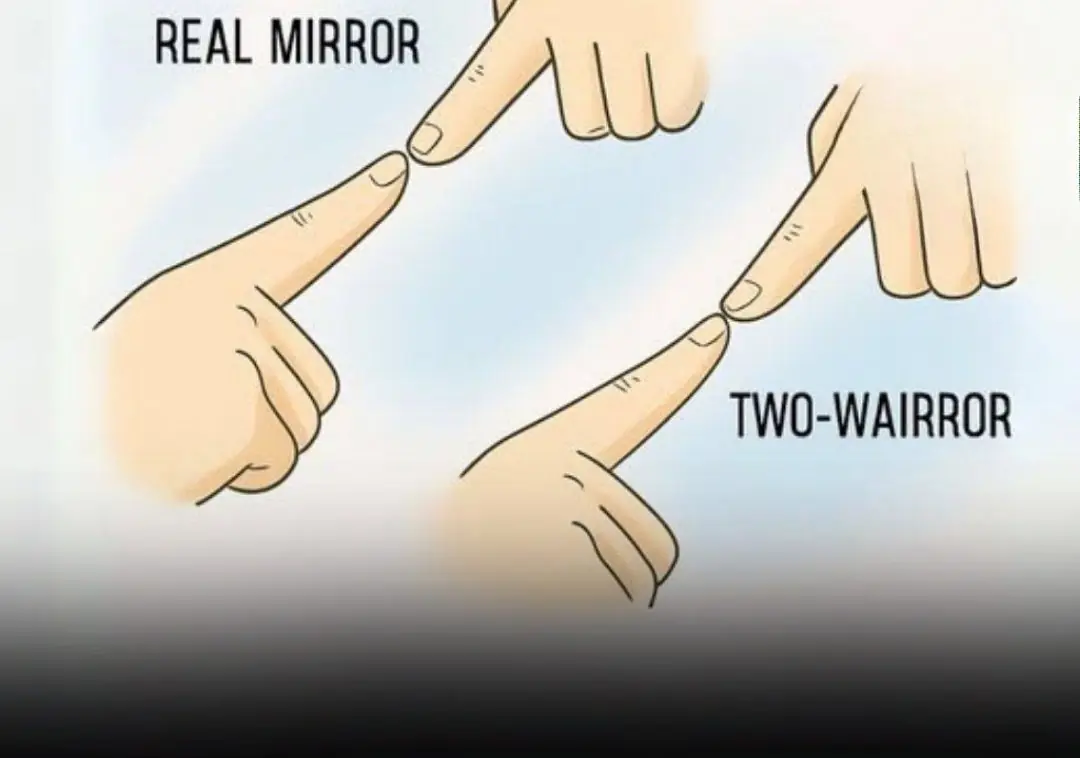
Behind the Glass Lies a Secret: What You Never Knew About Two - Way Mirrors
5 Silent Night Symptoms That May Indicate Kidney Dam:age
4 Simple Waters That Can Help Treat Kidney Stones Naturally
Your Guide to Head & Neck Canc3r: What Raises Your Risk, What Symptoms to Watch For, and How to Stay Safe
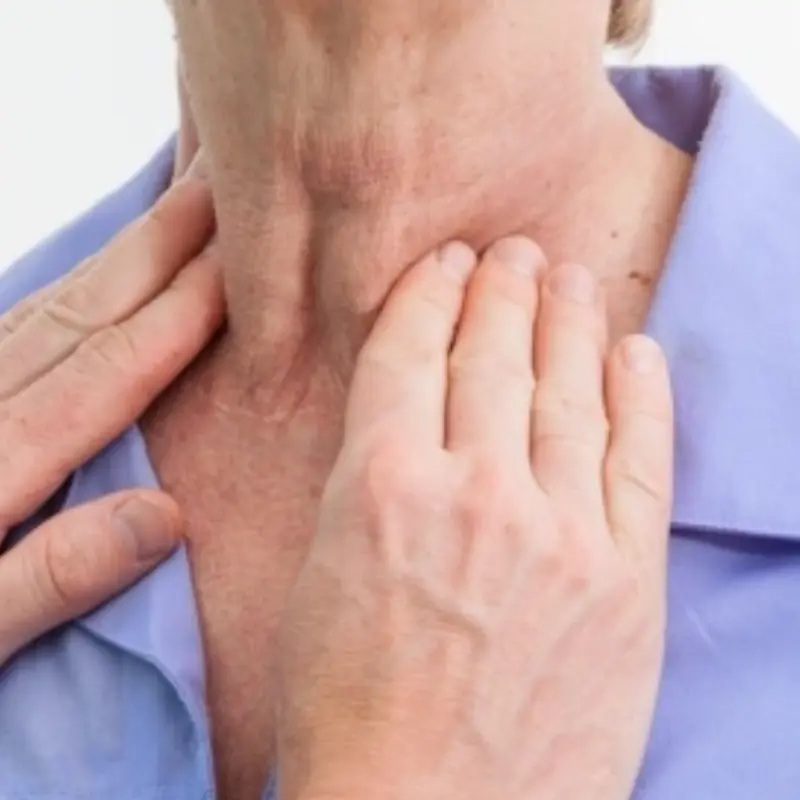
Six everyday foods could quietly disrupt your thyroid health.
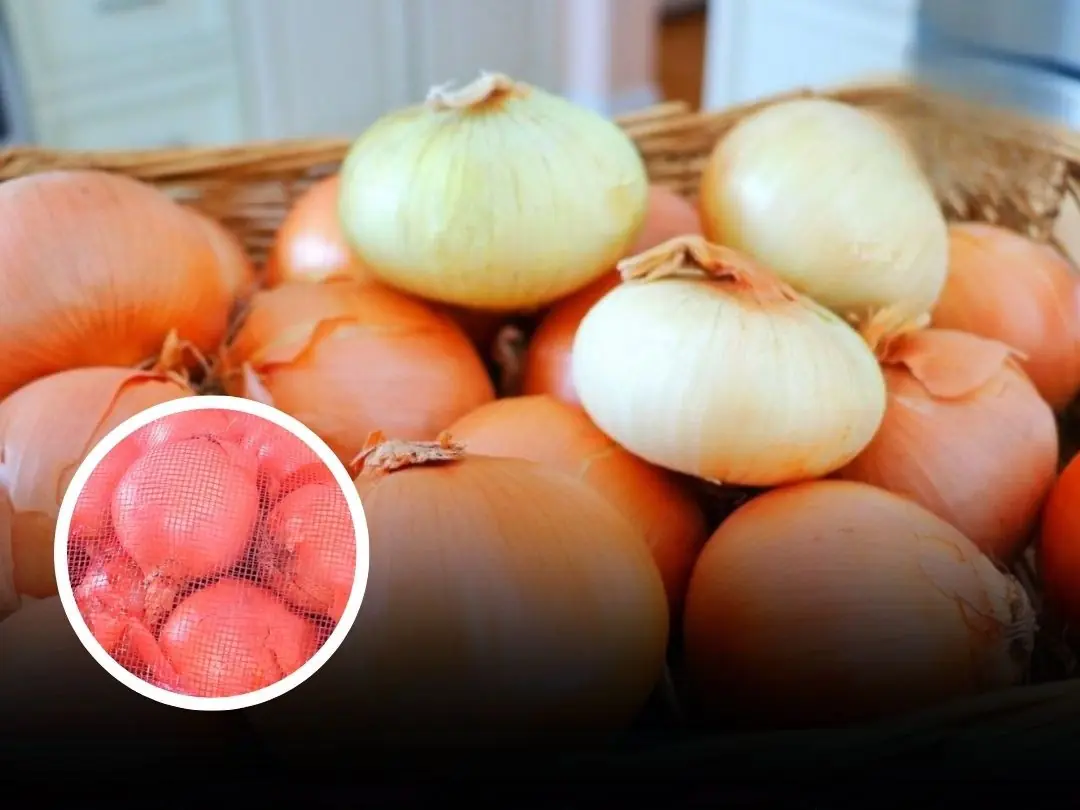
You’re Probably Storing Onions Wrong — Here’s Why They Don’t Belong in the Fridge
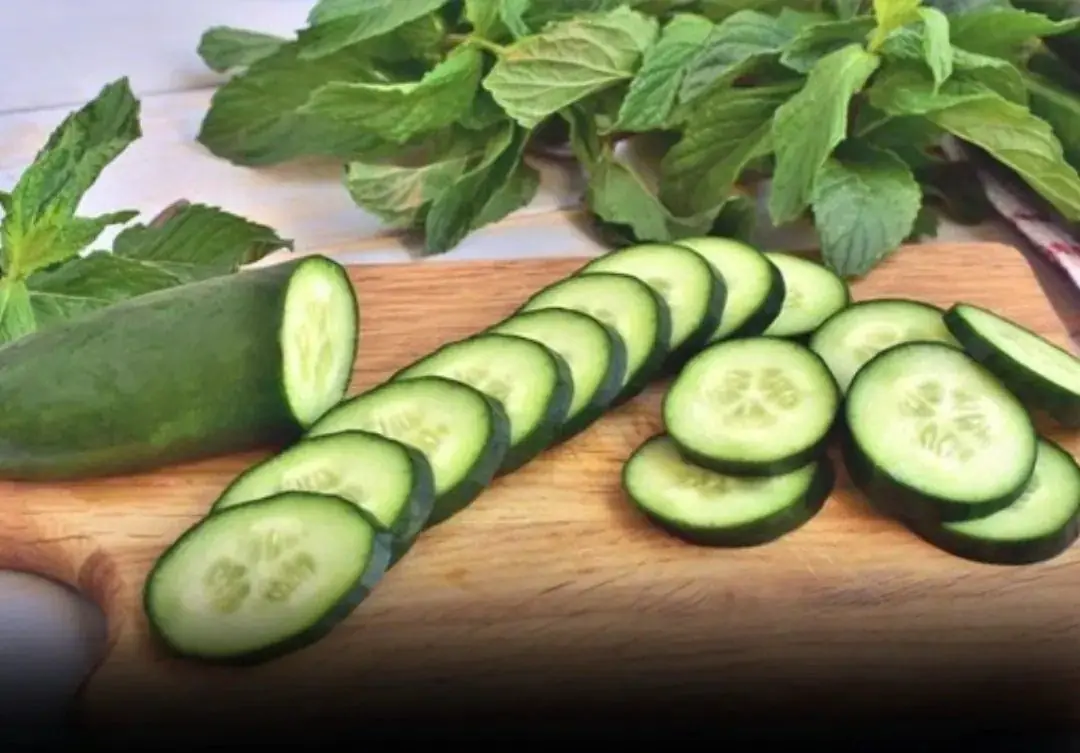
4 groups of people should avoid eating cucumbers
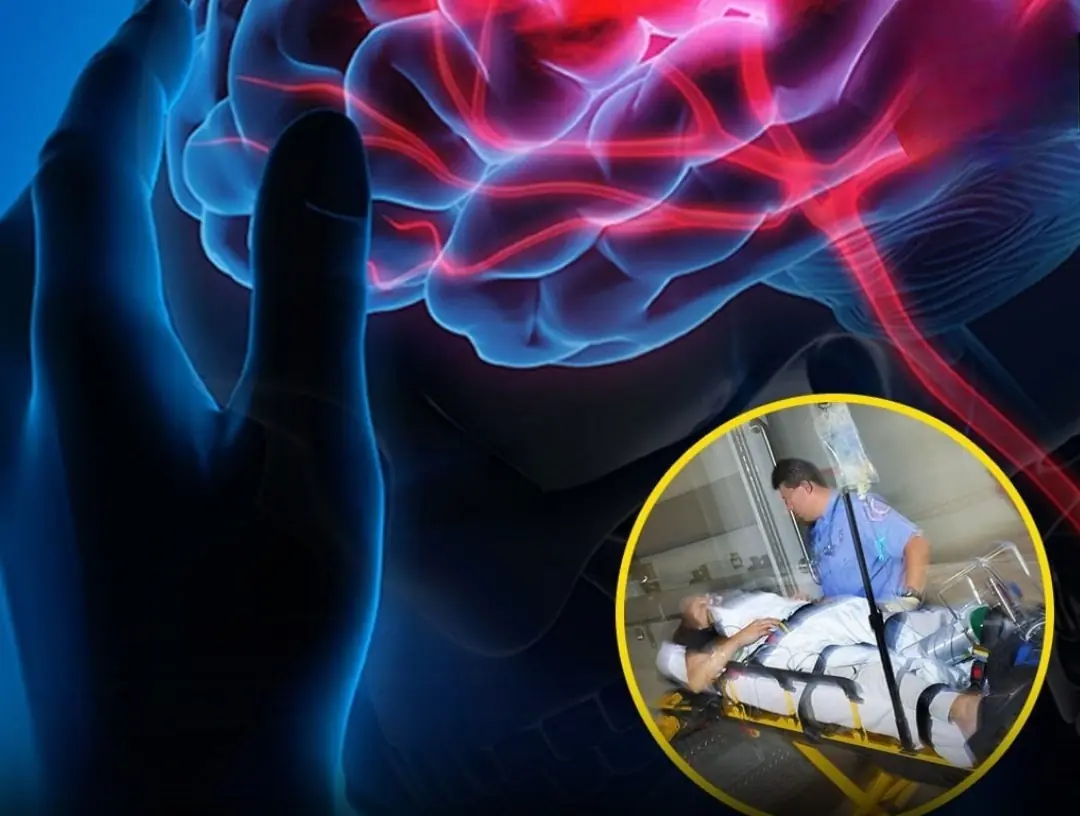
The “3 Don’ts” After Eating and “4 Don’ts” Before Sleep — Simple Habits Linked to Stroke Prevention
Common vegetables may affect liver health if eaten incorrectly.
Not Everyone Should Eat Jackfruit — These 5 People Should Avoid It

Leftovers can be risky — some foods turn unsafe overnight.






“Leaving, are you? And who’s going to pay off my parents’ loan?” the husband asked his wife
Neck pain, woman shocked to see something sticking out
Cabbage Is Very Good for Your Health — But These 4 Types of People Should Not Eat It
Behind the Glass Lies a Secret: What You Never Knew About Two - Way Mirrors
5 Silent Night Symptoms That May Indicate Kidney Dam:age
4 Simple Waters That Can Help Treat Kidney Stones Naturally
Your Guide to Head & Neck Canc3r: What Raises Your Risk, What Symptoms to Watch For, and How to Stay Safe

I invited my brother and his family for dinner! Can you manage?” — the husband announced happily to his pregnant wife
Six everyday foods could quietly disrupt your thyroid health.
You’re Probably Storing Onions Wrong — Here’s Why They Don’t Belong in the Fridge
4 groups of people should avoid eating cucumbers
The “3 Don’ts” After Eating and “4 Don’ts” Before Sleep — Simple Habits Linked to Stroke Prevention
Common vegetables may affect liver health if eaten incorrectly.
Not Everyone Should Eat Jackfruit — These 5 People Should Avoid It
Leftovers can be risky — some foods turn unsafe overnight.