Remember the “3 Don’ts” After Meals and “4 Don’ts” Before Bed to Help Reduce Stroke Risk at Any Age
Stroke is often seen as a condition that affects only older adults, but in reality, it can occur at any age. Lifestyle habits play a major role in determining long-term stroke risk, especially daily routines that influence blood pressure, blood sugar, circulation, and sleep quality.
While no single habit can fully prevent a stroke, small, consistent choices made every day can significantly lower risk. Two of the most critical periods are right after meals and just before bedtime. These are moments when the body is especially sensitive to changes in blood flow and metabolism.
Here are the key “don’ts” to keep in mind.
The 3 Don’ts After Meals
1. Don’t Lie Down Immediately After Eating
Lying down right after a meal slows digestion and can cause blood to pool in the digestive system. This may lead to acid reflux, increased blood pressure fluctuations, and reduced circulation to the brain.
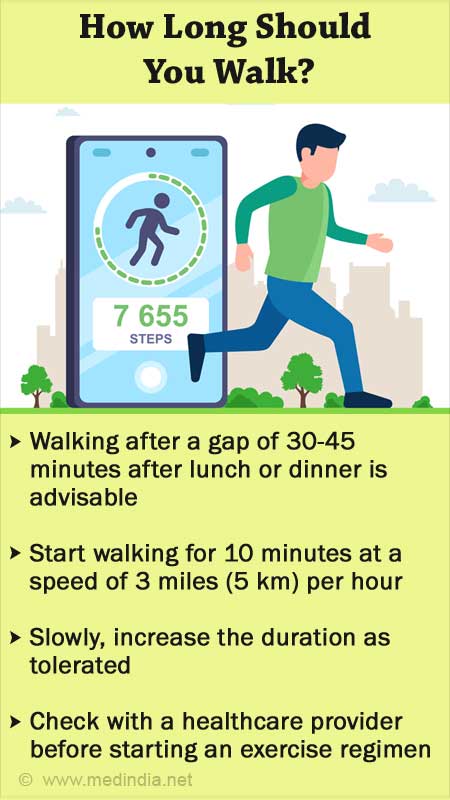
Over time, poor post-meal circulation can place unnecessary strain on the cardiovascular system. Sitting upright or taking a gentle walk for 10–20 minutes allows digestion to proceed smoothly and helps stabilize blood flow.
This habit is especially important for people with high blood pressure, diabetes, or a family history of stroke.


2. Don’t Smoke After Meals
Smoking immediately after eating is particularly harmful. Nicotine causes blood vessels to constrict, while digestion already redirects blood flow to the stomach. This combination can sharply reduce oxygen delivery to the brain and heart.
Studies show that smoking after meals significantly increases oxidative stress and raises the risk of blood vessel damage. Over time, this contributes to plaque buildup and clot formation — both major stroke risk factors.
If quitting feels difficult, delaying smoking for as long as possible after meals is a safer step forward.
3. Don’t Overeat or Eat Too Fast
Heavy meals and rapid eating cause sudden spikes in blood sugar and blood pressure. This forces the heart to work harder and stresses the blood vessels.
Chronic overeating is linked to obesity, diabetes, and hypertension — all major contributors to stroke risk. Eating slowly, stopping when comfortably full, and avoiding oversized portions helps maintain vascular stability after meals.
The 4 Don’ts Before Bed
1. Don’t Eat Heavy or Late-Night Meals
Eating large meals close to bedtime interferes with metabolism and sleep quality. Blood sugar fluctuations during sleep can trigger inflammation and negatively affect blood vessel health.
Late-night eating is also linked to weight gain and insulin resistance. Ideally, dinner should be finished at least 2–3 hours before bedtime to allow the body to rest rather than digest.



2. Don’t Use Screens Excessively Before Sleep
Phones, tablets, and TVs emit blue light that disrupts melatonin production. Poor sleep quality increases stress hormones and raises blood pressure — both of which increase stroke risk over time.
Chronic sleep deprivation has been strongly linked to cardiovascular disease. Reducing screen use at least 30–60 minutes before bed helps regulate the nervous system and supports healthy blood circulation during sleep.
3. Don’t Drink Alcohol Before Bed
While alcohol may initially cause drowsiness, it disrupts deep sleep and increases nighttime blood pressure. Alcohol also thickens the blood and promotes dehydration, which can raise the risk of clot formation.
Regular alcohol consumption before bed has been associated with higher stroke risk, especially in people with hypertension or irregular heart rhythms.


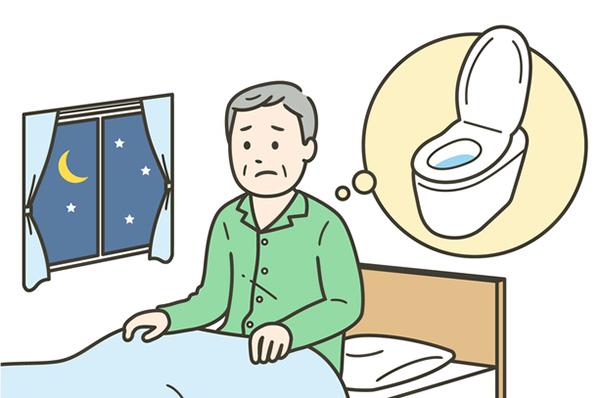
4. Don’t Go to Bed Angry or Extremely Stressed
Emotional stress triggers the release of cortisol and adrenaline, which elevate heart rate and blood pressure. Going to sleep while emotionally overwhelmed keeps the nervous system in a state of alertness rather than recovery.
Chronic stress contributes to inflammation and vascular damage over time. Simple habits such as deep breathing, light stretching, or calming music before bed can help stabilize the nervous system and protect brain health.
Why These Habits Matter
Strokes don’t usually happen overnight. They develop silently over years due to damaged blood vessels, unstable blood pressure, and poor circulation. The periods after meals and before bed are when the body transitions between activity and rest — making them critical windows for cardiovascular health.
What These Tips Do Not Guarantee
These habits:
-
Do not eliminate stroke risk entirely
-
Do not replace medical treatment or medication
-
Are most effective when combined with regular exercise, healthy diet, and medical checkups
Stroke prevention is cumulative. Small choices, repeated daily, create powerful long-term protection.
Final Thoughts
Preventing stroke isn’t about fear — it’s about awareness. Remembering a few simple “don’ts” after meals and before bed can reduce unnecessary strain on your heart and brain.
Your daily routine shapes your future health more than any single event. Protecting your brain starts with how you treat your body every day.